
Our Latest Articles
-
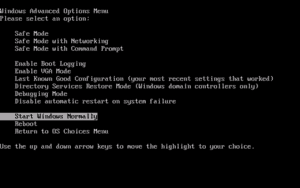
Boot Loader Menu: Navigating its Evolution
Uncover the journey of the Boot Loader Menu, a pivotal component in Windows operating systems, and its evolution from Windows NT to contemporary versions.
-

Understanding the Boot Process in Computers: From Power On to OS Loading
Explore the intricacies of the computer boot process, from BIOS roles to troubleshooting common boot issues.
-
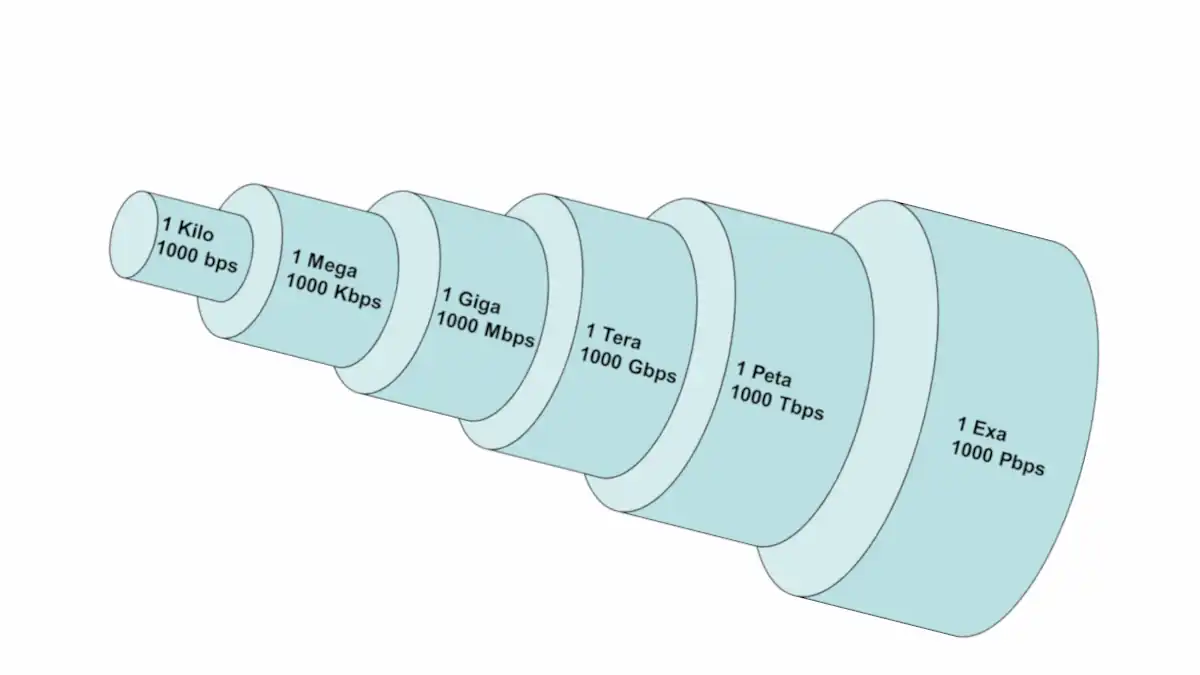
Bandwidth Explained!
In general, Bandwidth is the difference between the highest and lowest frequencies in a given range of frequencies for an analog signal. For example, if the lowest and highest frequencies a telephone line can carry are 300 Hz and 3300 Hz, the telephone line can accommodate a bandwidth of 3300 – 300 = 3000 Hz,…
-
Collaboration Data Objects (CDO)
Unlock the enigma of Microsoft’s Collaboration Data Objects (CDO) in this comprehensive guide. Explore its evolution, modern alternatives, and where it’s still relevant today. A must-read for IT professionals and enthusiasts.
-
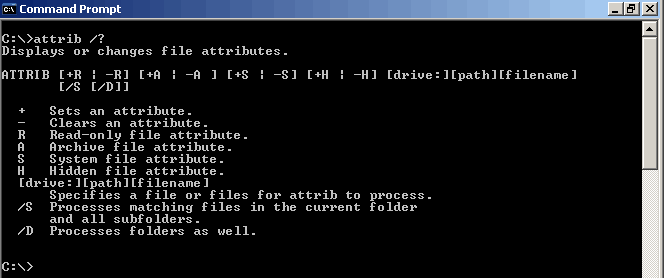
Attrib Command
ATTRIB is a Microsoft Windows command that can be used to display and modify the attributes of files and directories. You can use the attrib command to display and modify the archive, system, hidden, and read-only attributes that can be assigned to files and directories.
-
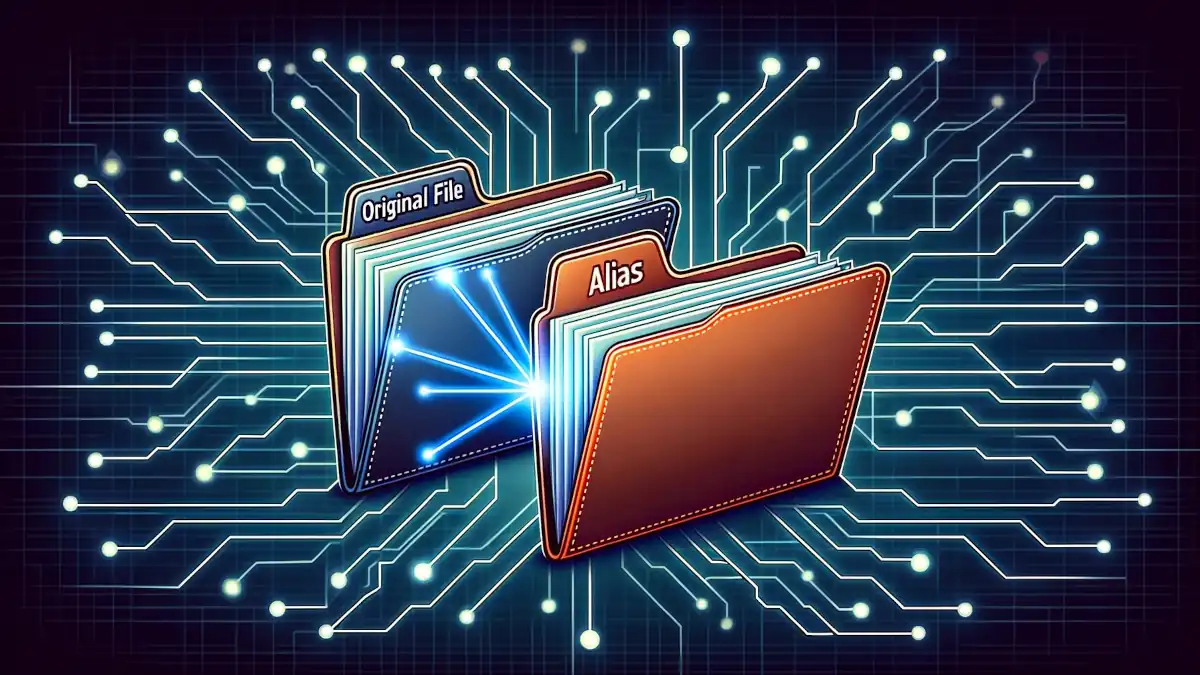
ALIAS Meaning in Computer Networking
Explore the diverse applications of the term “ALIAS” in the realms of computer networking and technology. From UNIX commands to email management, learn how aliases simplify complex processes and improve efficiency.
-
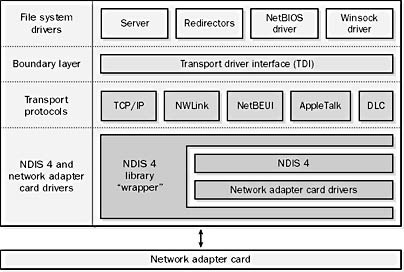
I/O Manager
Explore the pivotal role of the I/O Manager in the Windows OS architecture. From facilitating file operations to device management, learn how it serves as the linchpin for all Input/Output activities.
-

NDIS: Unveiling the Network Driver Interface Specification
Network Driver Interface Specification, also known as NDIS, is a standard or specification that simplifies the process of writing drivers for network interface cards (NICs) and enables them to interact transparently with various transport protocols.
-

NWLink IPX/SPX-Compatible Transport
Dive into the world of NWLink IPX/SPX-Compatible Transport, exploring its significance in networking, features, and legacy impact.
-
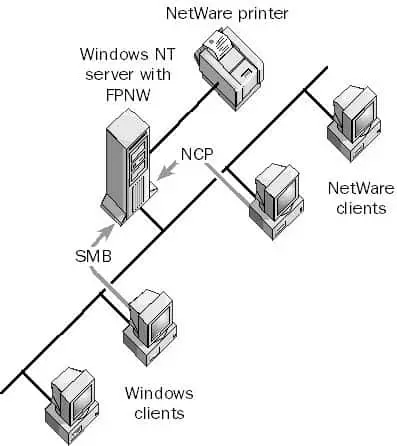
File and Print Services for NetWare (FPNW)
FPNW is a Microsoft Windows NT and Windows 2000 add-on utility that enables a server running Windows NT or Windows 2000 to allow NetWare client machines to access resources on a server running Microsoft Windows NT
-
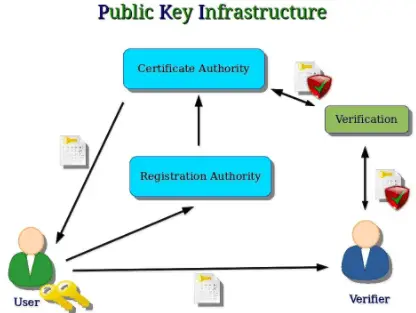
Public Key Infrastructure (PKI)
Public Key Infrastructure, also known as PKI, is a set of services that support the use of public-key cryptography in a corporate or public setting. A public key infrastructure (PKI) enables key pairs to be generated, securely stored, and securely transmitted to users so that users can send encrypted transmissions and digital signatures over distrusted…
-

Digital Signature
Digital Signature is an electronic signature that you can use to sign a document being transmitted by electronic means such as e-mail. Digital signatures validate the identity of the sender and ensure that the document they are attached to has not been altered by unauthorized parties during the transmission.