
Our Latest Articles
-

Unfolding Microsoft Outlook: From Emails to Enterprise
Discover the evolution of Microsoft Outlook: A journey from basic email to a comprehensive personal information manager.
-

OS/2: Tracing the Legacy of IBM’s Pioneering Operating System
Explore the complete history of OS/2, from its inception with IBM and Microsoft to its lasting impact on modern operating systems.
-

Secure Sockets Layer (SSL)
Secure Sockets Layer, also known as SSL, is a handshaking protocol for communication over the Internet that provides secure authentication and data encryption. Secure Sockets Layer (SSL) was developed by Netscape Communications for the secure transmission of information over the Internet.
-

MAPI: Mastering the Messaging Application Programming Interface
In this comprehensive guide, we will unravel the complexities of MAPI, exploring its structure, functionality, and pivotal role in the world of electronic messaging. From basic concepts to advanced implementation, this article promises to equip you with an in-depth understanding of MAPI and its applications in real-world scenarios.
-

Microsoft Exchange Server
Definition of Microsoft Exchange Server in the Network Encyclopedia. What is Microsoft Exchange Server? Exchange Server is Microsoft’s client/server messaging system for Windows Server family. Exchange Server supports all key industry messaging standards, including the following: X.400 Internet standards (SMTP, POP3, IMAP4, LDAP, HTTP, NNTP, SSL, MIME, and S/MIME) Messaging Application Programming Interface (MAPI) Exchange…
-
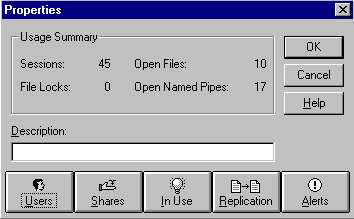
Directory Replication in Windows NT
Directory Replication (in Windows NT) is the replication of a tree of folders from one server to another using the Directory Replicator Service. You can use directory replication to create and manage identical directory structures on different Microsoft Windows NT servers and workstations.
-
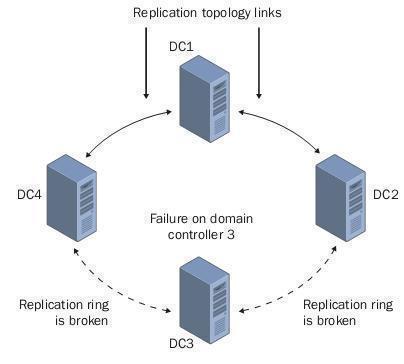
Directory Replication
Directory Replication is the process of replicating updates to Active Directory on different domain controllers in the network. Directory replication ensures that users have access to resources on the network by ensuring that information about users, groups, computers, file shares, printers, and other directory objects is current on all domain controllers in the network.
-

Network Access Server (NAS)
Network Access Servers
-
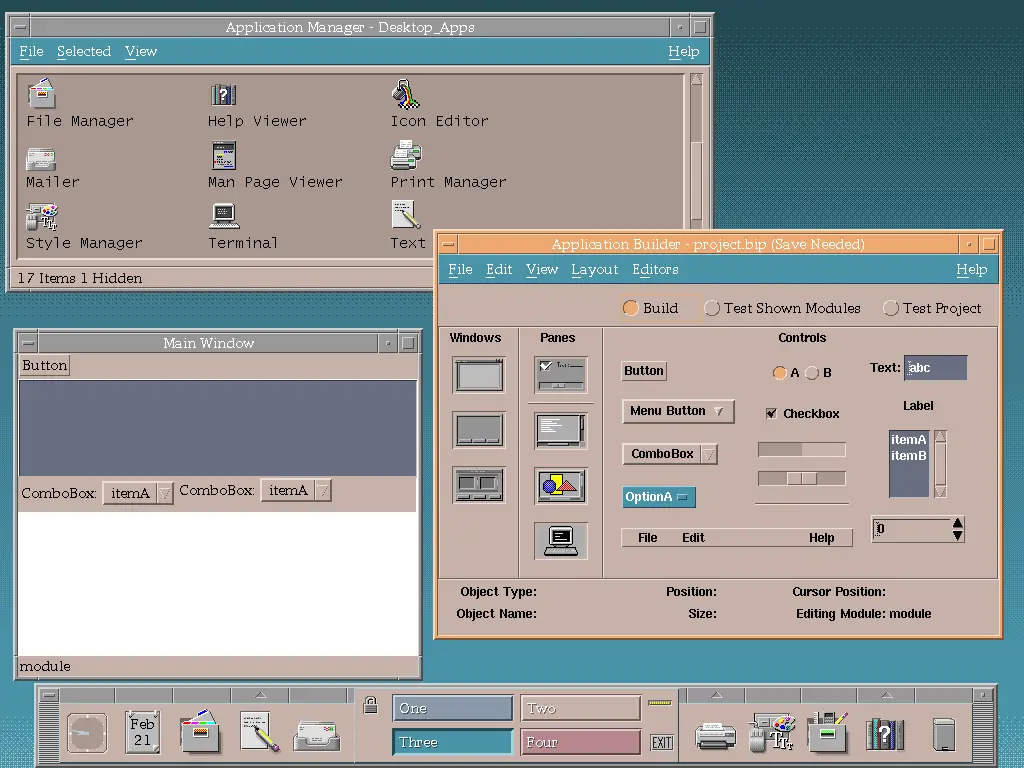
Common Desktop Environment (CDE): A Retrospective
Explore the legacy of the Common Desktop Environment (CDE) – the once-dominant GUI paradigm for UNIX systems, examining its impact and historical significance.
-

CDDI: A Guide to Copper Distributed Data Interface
Get an in-depth look at Copper Distributed Data Interface (CDDI), a cost-effective alternative to FDDI. Discover its technical underpinnings, comparative analysis with FDDI, and why it has lost ground in today’s network landscape.
-
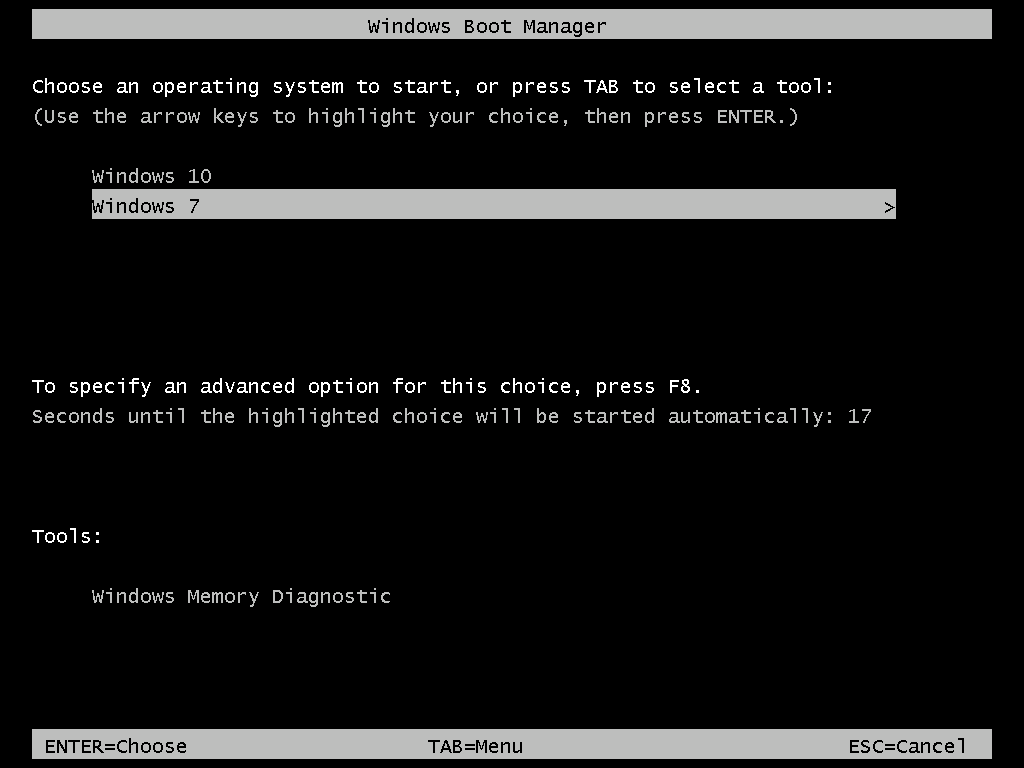
Dual Boot
Dual Boot is a computer that can boot one of several operating systems by means of a startup menu. You can have multiple operating systems installed on a single PC. Having two operating systems installed – and choosing between them at boot time – is known as “dual-boot.”
-

Cold Boot
Explore the concept of a cold boot in computing. Understand its process, importance, and differences from a warm boot. Essential for tech enthusiasts.