
Our Latest Articles
-

Data Access Objects (DAO)
Data Access Objects (DAO) play a pivotal role in the architecture of software applications, providing an abstraction layer over database access.
-
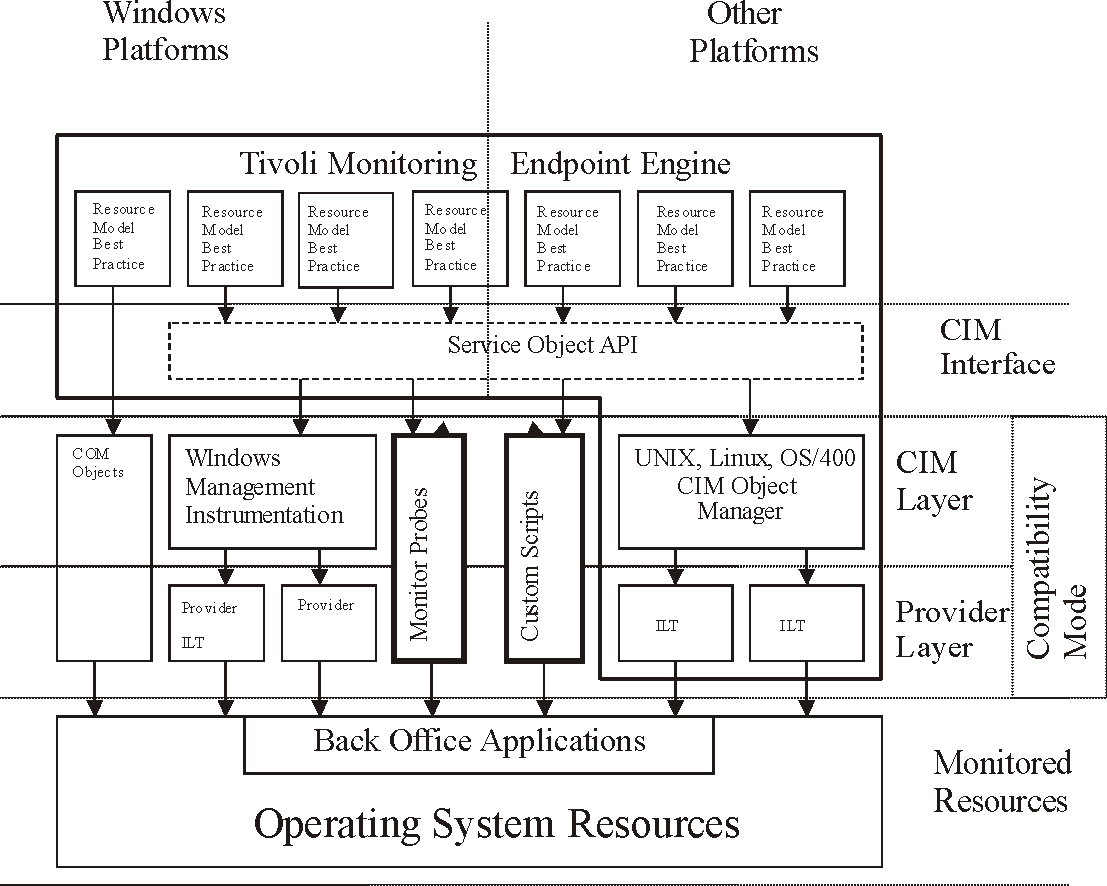
Common Information Model (CIM)
CIM, or Common Information Model, is an emerging standard from the Distributed Management Task Force (DMTF), formerly named the Desktop Management Task Force for an extensible, object-oriented schema for managing the information collected from computers, networking devices, protocols, and applications.
-

Systems Management Server Database Manager
Short Message Service, best known as SMS, is a service for sending short text messages using the Global System for Mobile Communications (GSM) cellular telephone system. Short Message Service (SMS) can send short messages of up to 160 alphanumeric characters.
-

D-AMPS: Digital Advanced Mobile Phone Service
Explore the evolution of D-AMPS, its challenges, and the revolutionary modern alternatives shaping today’s cellular communication landscape. Dive deep into the world of digital cellular technologies.
-

Polyvinyl Chloride (PVC) Cabling
Polyvinyl Chloride cabling, or simply PVC, is a grade of network cabling that uses polyvinyl chloride (PVC) plastic for its outer protective insulating jacket. Polyvinyl chloride cabling is cheap and flexible but gives off dangerous gases during combustion. Building codes usually require that plenum cabling be used instead of polyvinyl chloride cabling for horizontal runs…
-
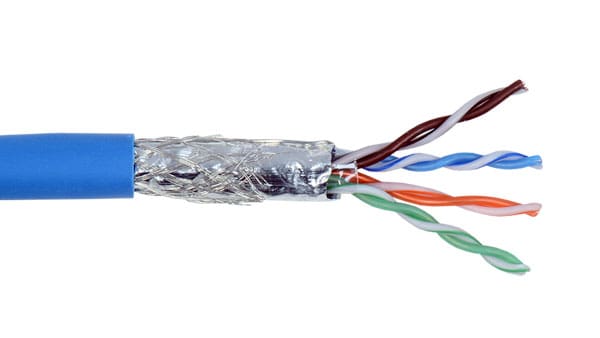
Plenum Cabling
Explore the essentials of plenum cable, its safety-centric design, historical context, and ongoing relevance in modern networking.
-

Pulse Code Modulation (PCM)
Explore the essentials of Pulse Code Modulation (PCM), the cornerstone of digital audio and communication systems.
-
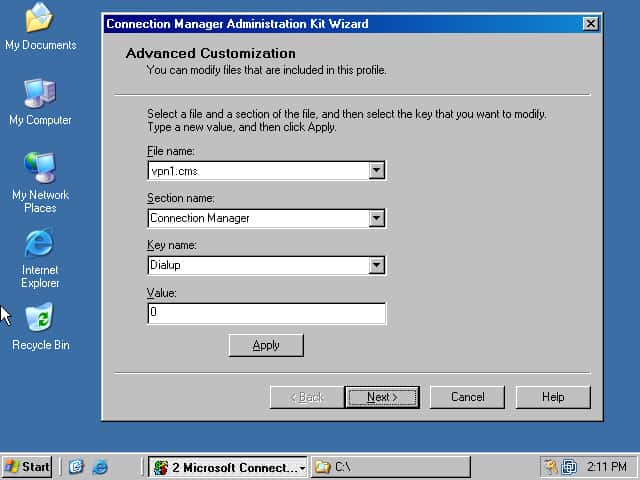
Microsoft Connection Manager (CM)
Explore the Microsoft Connection Manager: An essential tool for network connectivity in early Windows, simplifying internet and corporate access.
-

Classless Interdomain Routing (CIDR)
Classless Interdomain Routing, also known by CIDR, is a routing system used by routers and gateways on the backbone of the Internet for routing packets. Classless interdomain routing (CIDR) is a more efficient routing mechanism than the original method of segregating network IP addresses into classes named class A, class B, and class C.
-
Microsoft Official Curriculum (MOC)
In this article, we will delve into the details of Microsoft Official Curriculum, exploring its purpose, structure, and benefits it offers.
-
Certified Technical Education Center (CTEC)
Explore the historical role of Certified Technical Education Centers (CTECs) and what modern avenues have replaced them for Microsoft training and certifications.
-
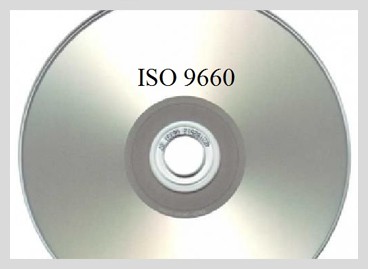
CD file system (CDFS)
CD file system or CDFS is a file system designed for Microsoft Windows 95 that supports the reading of compact discs. A CD file system (CDFS) provides the same kind of file and directory management for CD-ROM devices that the file allocation table (FAT) or NTFS file systems do for hard disks.