
Our Latest Articles
-
Banyan VINES
VINES stands for Banyan Virtual Integrated Network Service, it was a network operating system (NOS) for building enterprise-level networks.
-
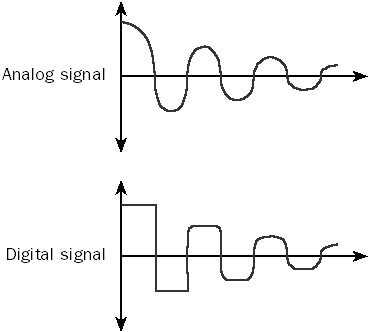
Attenuation in Computer Networking: Understanding Signal Loss
In this article, we will delve into the definition of attenuation, its measurement in decibels (dB), and its implications for different types of cabling media.
-
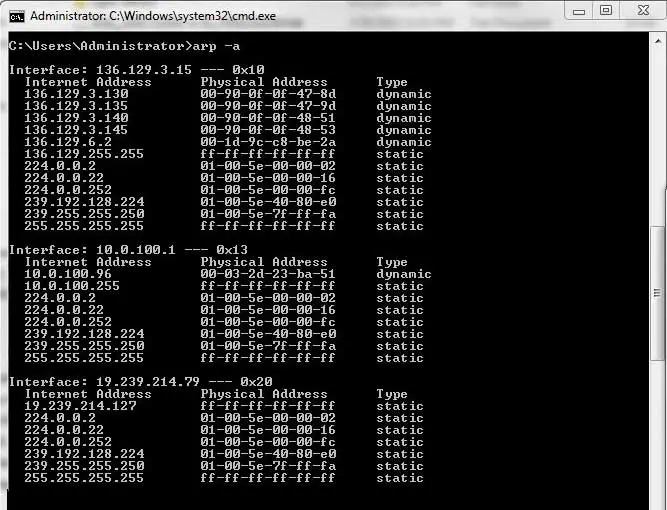
Arp Command
Master the ARP command to manage ARP cache, resolve IP addresses to MAC addresses, and optimize your network configurations. Comprehensive guide on why, how, and when to use the arp command.
-

Application Layer Proxy
Application Layer Proxies are essential tools in modern network architecture, offering deep packet inspection, enhanced security, and content filtering. From understanding its operations, benefits, drawbacks, and comparisons with packet filtering, this article provides an insightful look into the practical applications and setup of these proxies.
-
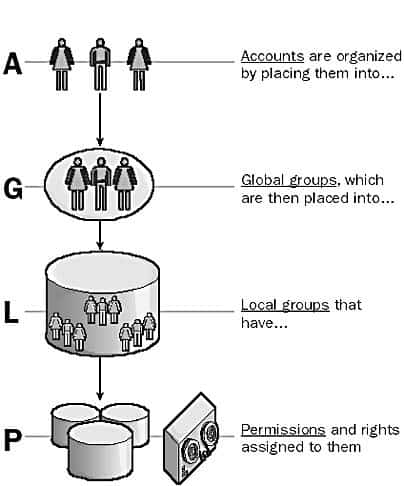
AGLP
Explore the essentials of AGDLP/AGUDLP principles in network administration for enhanced security and simplified user access control.
-
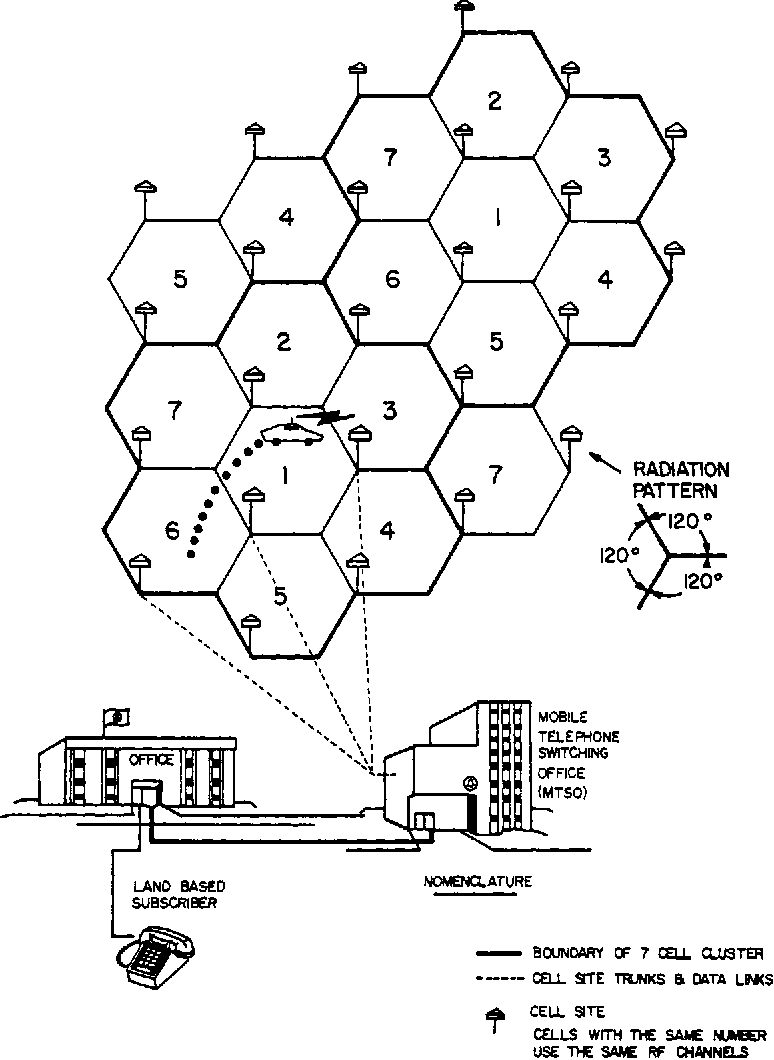
Advanced Mobile Phone Service (AMPS)
AMPS stand for Advanced Mobile Phone Service, is the standard analog cellular phone service used in North and South America.
-
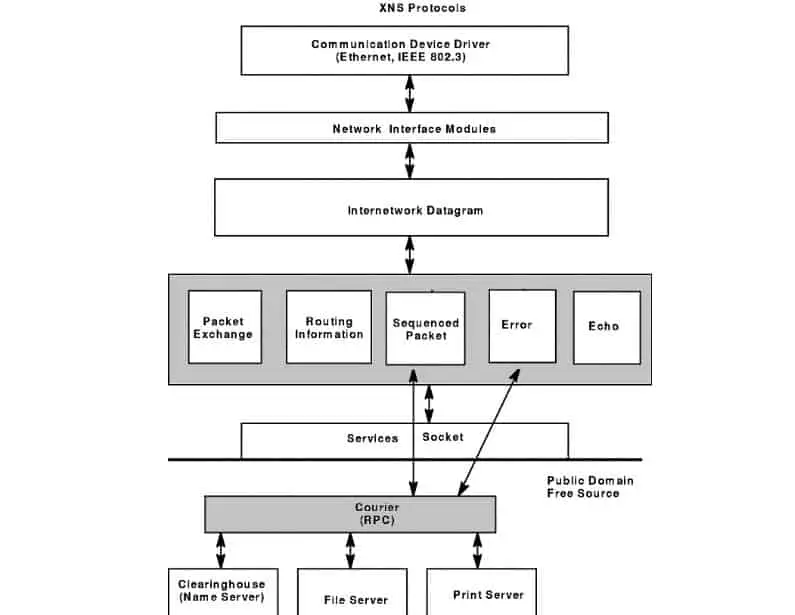
Xerox Network Systems (XNS)
Xerox Network Systems is a suite of networking protocols developed by Xerox Corporation’s Palo Alto Research Center (PARC) in the early 1980s.
-
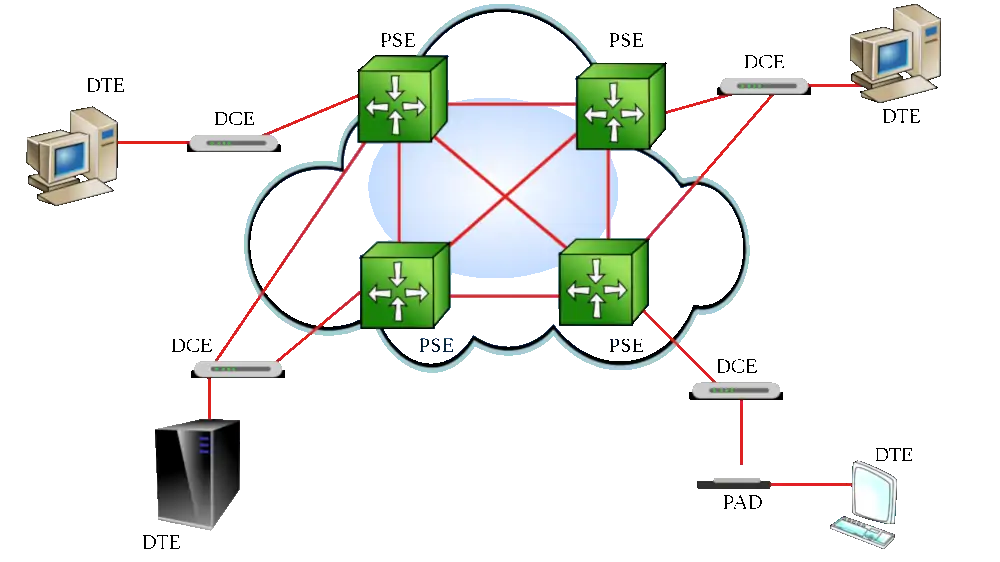
X.25 Protocol
X.25 is a packet-switching protocol for wide area network (WAN) connectivity that uses a public data network (PDN) that parallels the voice network of the Public Switched Telephone Network (PSTN).
-

World Wide Web Publishing Service
World Wide Web Publishing Service is a component of Internet Information Services (IIS) on Microsoft Windows Server Operating Systems that allows users to publish Web content for use on the Internet.
-
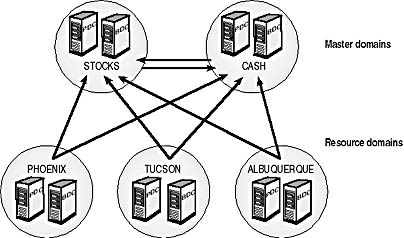
NTDS: From Windows NT Directory Services to NTDS.DIT
Dive deep into the evolution of NTDS, exploring both the historical Windows NT Directory Services and the pivotal NTDS.DIT file in modern Active Directory environments.
-
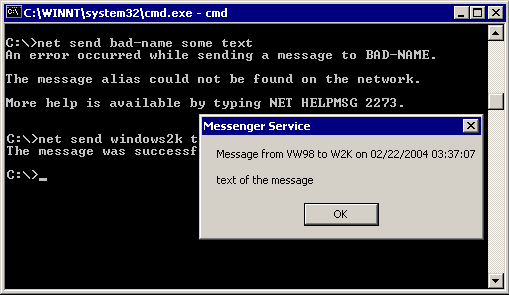
Windows NT Command
Windows NT command is a command that can be typed at the Microsoft Windows NT command prompt, usually to perform an administrative action.
-
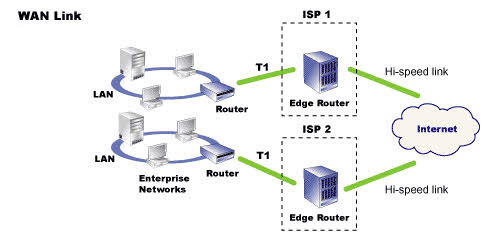
WAN Link
WAN link is a communication circuit that joins two or more local area networks (LANs) into a wide area network (WAN).