
Category: Network Protocols
-
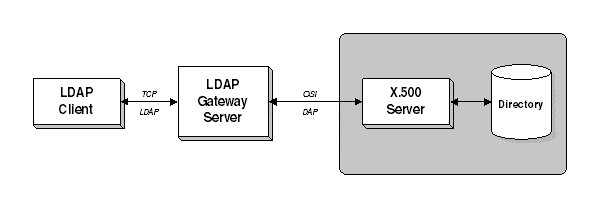
Lightweight Directory Access Protocol (LDAP)
LDAP stands for Lightweight Directory Access Protocol is an Internet protocol for accessing and updating information in an X.500-compliant directory.
-
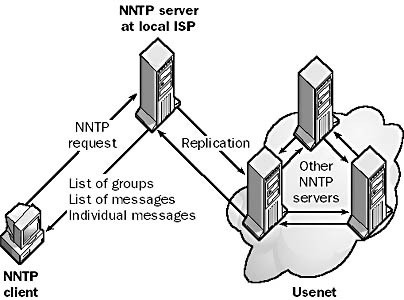
Network News Transfer Protocol (NNTP)
NNTP stands for Network News Transfer Protocol is an Internet standard protocol that governs the interaction between Network News Transfer Protocol (NNTP) servers (news servers) and NNTP clients (news readers).
-

Network Frame
Explore the essentials of network frames: their structure, role in data transmission, and pivotal function in the OSI Model’s data-link layer.
-
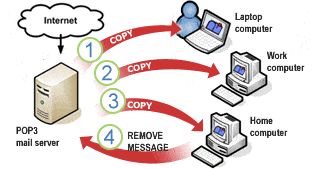
Post Office Protocol version 3 (POP3)
Explore the ultimate guide to POP3: Post Office Protocol version 3. Learn about its history, functionality, advantages, disadvantages, and more!
-
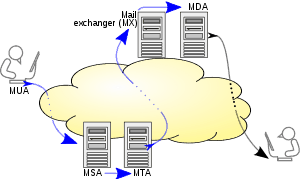
Simple Mail Transfer Protocol (SMTP)
Simple Mail Transfer Protocol is a standard application-layer protocol for delivery of e-mail over a TCP/IP internetwork such as the Internet.
-
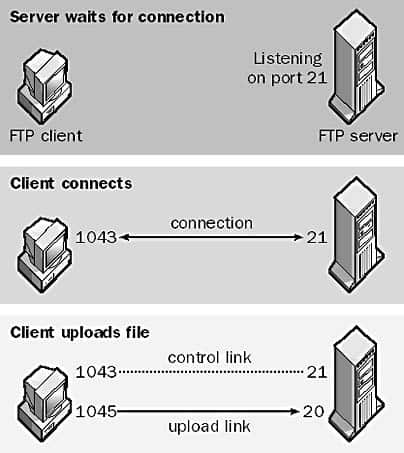
File Transfer Protocol (FTP)
FTP stands for File Transfer Protocol is an Internet standard application-level TCP/IP protocol that can be used for transferring files between hosts on a TCP/IP internetwork.
-
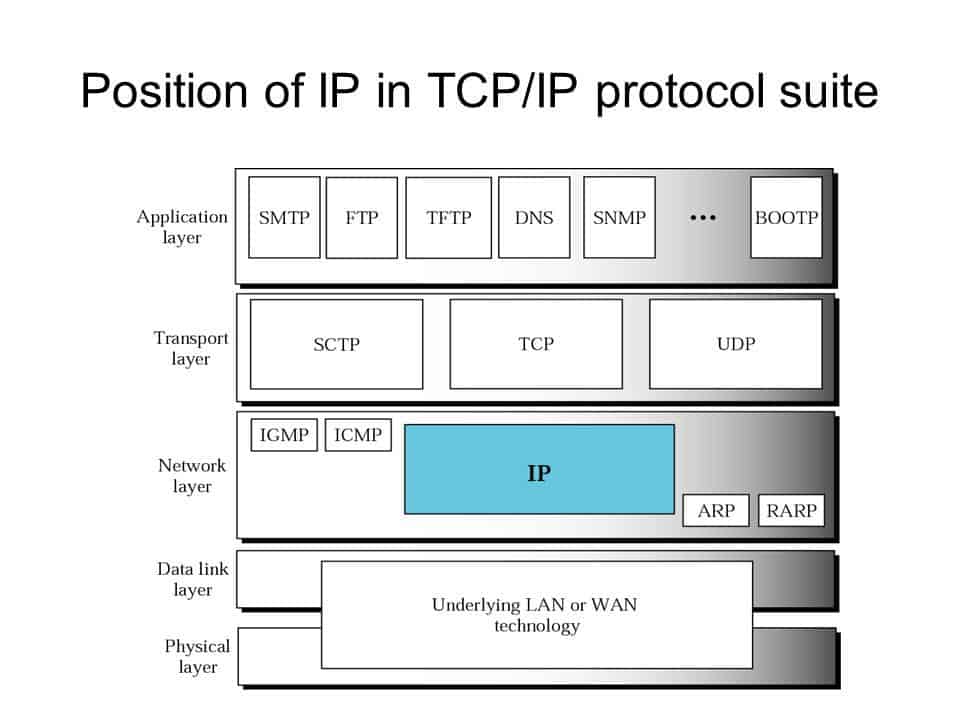
Internet Protocol (IP)
Internet Protocol, or just IP, is a TCP/IP network layer protocol for addressing and routing packets of data between hosts on a TCP/IP network.
-

Hypertext Transfer Protocol (HTTP)
Hypertext Transfer Protocol is a standard Internet protocol that specifies the client/server interaction processes between Web browsers such as Microsoft Internet Explorer or Chrome and Web servers such as Microsoft Internet Information Services (IIS) or Apache.
-
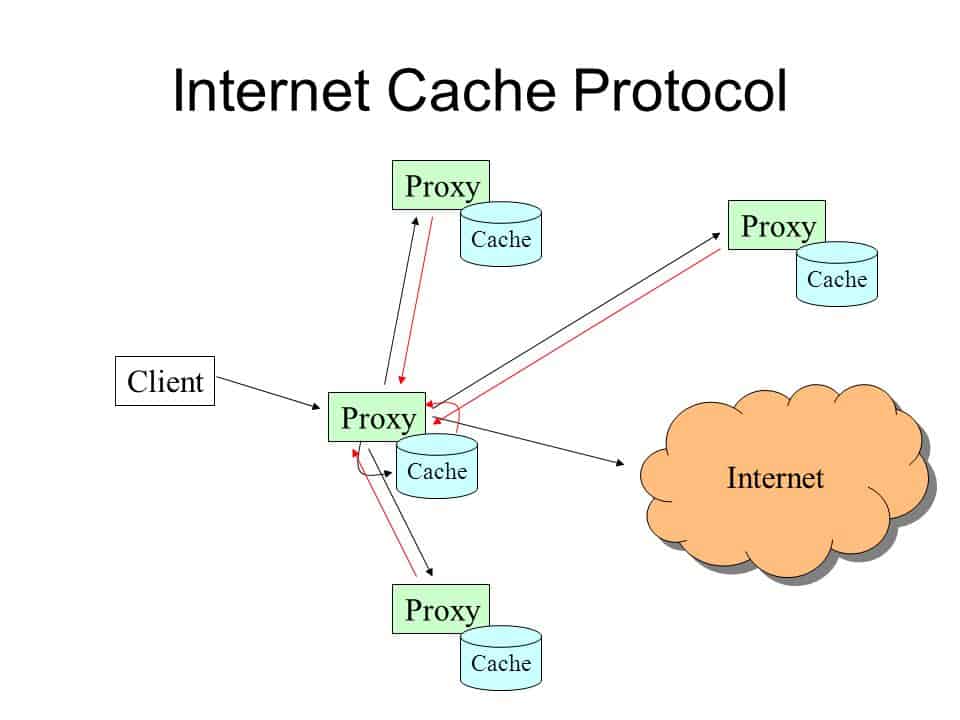
Internet Cache Protocol (ICP)
Internet Cache Protocol is a UDP-based protocol developed in 1995 to allow arrays of proxy servers to communicate and work together over a network.
-
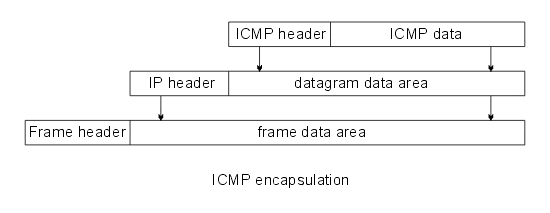
Internet Control Message Protocol (ICMP)
ICMP stands for Internet Control Message Protocol is a TCP/IP network layer protocol used by routers and TCP/IP hosts for building and maintaining routing tables, adjusting data flow rates, and reporting errors and control messages for TCP/IP network communication.
-
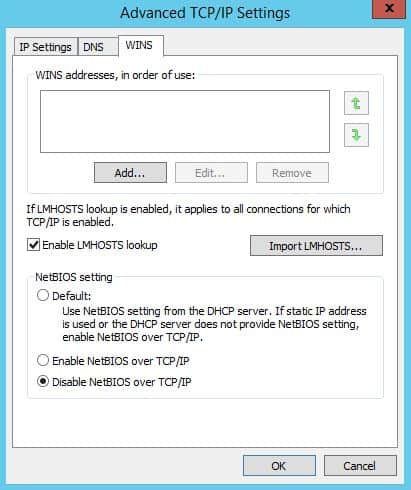
NetBT: NetBIOS over TCP/IP
Discover the inner workings of NetBT, the protocol enabling NetBIOS functionalities over TCP/IP networks. Learn how NetBT is critical for name resolution and session support, especially in Windows environments.
-

NetBIOS (Network Basic Input/Output System)
NetBIOS stands for Network Basic Input/Output System, is a specification created by IBM and Microsoft that allows distributed applications to access each other’s network services independent of the transport protocol used.