
Category: Network Protocols
-
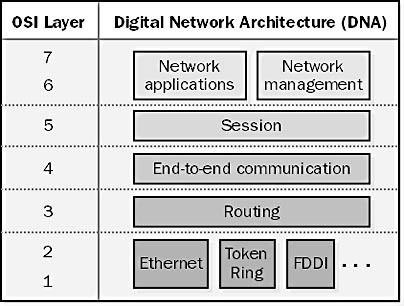
DECnet
Explore DECnet’s role in shaping network architectures, its diverse applications, and enduring influence on modern networking.
-

NWLink IPX/SPX-Compatible Transport
Dive into the world of NWLink IPX/SPX-Compatible Transport, exploring its significance in networking, features, and legacy impact.
-
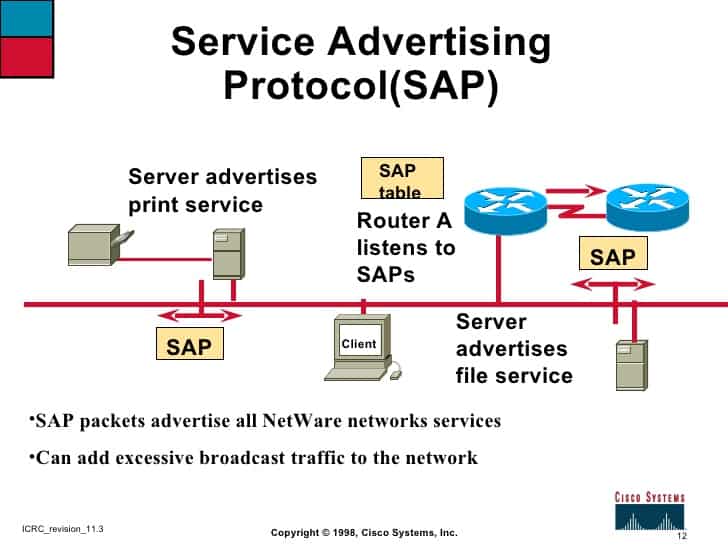
Service Advertising Protocol (SAP)
Service Advertising Protocol, also known as SAP, is a Novell NetWare protocol that is used with Internetwork Packet Exchange (IPX) to enable file and print servers to advertise their availability to clients on a network.
-
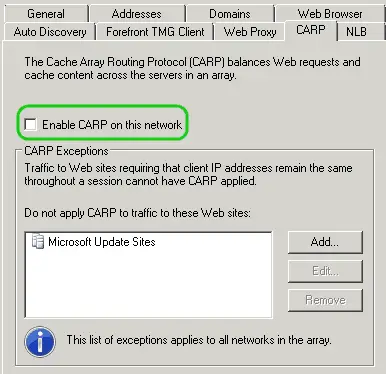
Caching Array Routing Protocol (CARP)
Caching Array Routing Protocol, also known as CARP, is a protocol developed by Microsoft and implemented in Microsoft Proxy Server that allows multiple proxy servers to be arrayed as a single logical cache for distributed content caching.
-

NetWare Protocols
NetWare protocols are the group of protocols developed for and specific to the Novell NetWare network operating system (NOS); popularized in NetWare versions 2 and 3. Some of the networking architecture of NetWare protocols evolved from the Xerox Network Systems (XNS) created in the late 1970s.
-
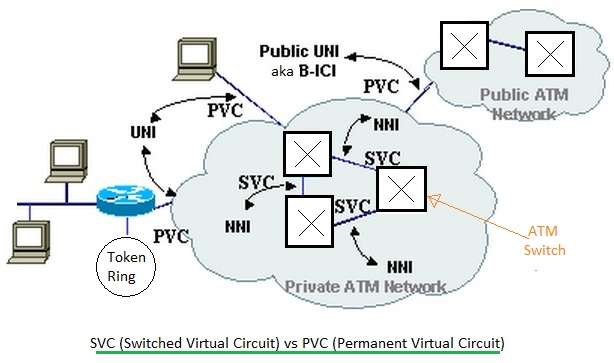
Navigating Switched Virtual Circuits: The SVC Guide
Switched Virtual Circuit, also known as SVC, is a form of telecommunications service that provides a path between two nodes in a packet-switched network.
-
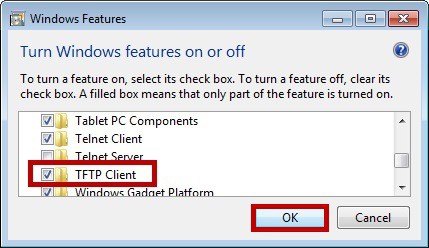
TFTP (Trivial File Transfer Protocol)
Explore TFTP: A concise guide to Trivial File Transfer Protocol, its functions, implementations, and modern network applications.
-

UDP Protocol: How the Internet Moves at Real-Time Speed
UDP (User Datagram Protocol) is a lightweight transport protocol designed for speed and efficiency. Learn how it works, when to use it, and why it powers real-time Internet applications.
-

Common Internet File System (CIFS): Network File Sharing Made Easy
Unlock the capabilities of CIFS, the protocol at the heart of network file sharing and collaboration. Dive into its functionalities, uses, and impact.
-

Server Message Block (SMB): Beyond File Sharing
Server Message Block, also known as SMB, is a high-level file-sharing protocol jointly developed by Microsoft, IBM, and Intel for passing data between computers on a network.
-

Static Routing: A Comprehensive Guide
Static Routing is a routing mechanism that is handled by the Internet Protocol (IP) and that depends on manually configured routing tables.
-
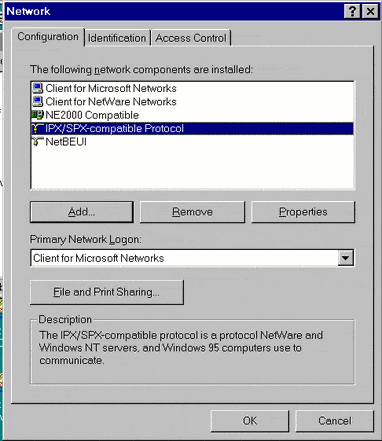
IPX/SPX – Compatible Protocol
IPX/SPX stands for Internetwork Packet Exchange/Sequenced Packet Exchange is a set of network protocols that provide packet switching and sequencing for small and large networks, used initially on networks using the Novell NetWare operating systems.