
Our Latest Articles
-
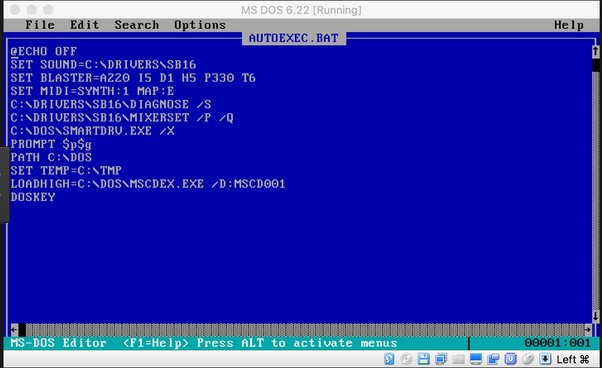
autoexec.bat
Autoexec.bat is a batch file used by the MS-DOS and Microsoft Windows 3.1 operating systems.
-
Config.sys
Config.sys is a text file used by MS-DOS and 16-bit versions of Microsoft Windows that is used to configure computer hardware at startup.
-

Internet Relay Chat (IRC)
Unlock the world of IRC: Internet Relay Chat. Discover its history, functionality, and why it’s still relevant today. Your complete guide to IRC.
-

Internet
The Internet is the global TCP/IP public internetwork that originated in the ARPANET project of the U.S. Department of Defense in the 1970s.
-
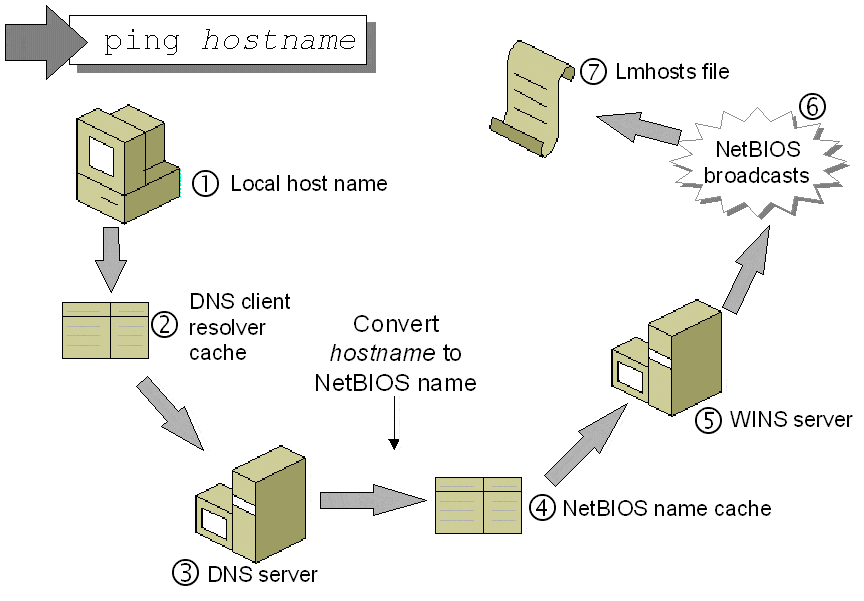
Name Resolution
Name Resolution is the process of resolving the name of a computer on a network into its network address.
-
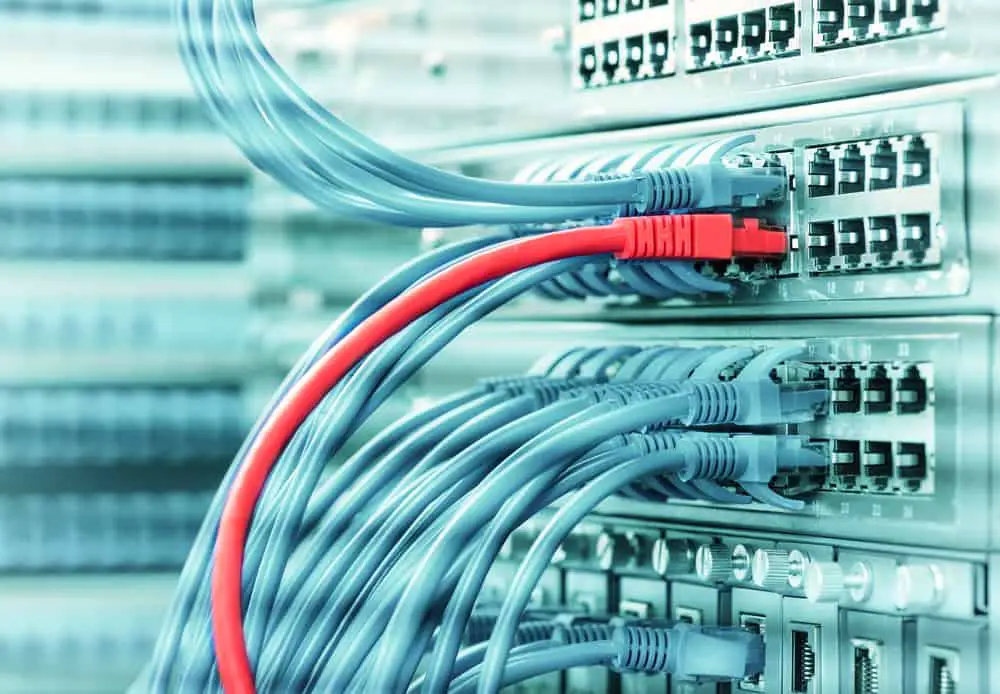
Ethernet – the network architecture for LANs
Ethernet is the most popular network architecture for local area networks (LANs). Ethernet was originally developed by Xerox in the 1970s and was proposed as a standard by Xerox, Digital Equipment Corporation (DEC), and Intel in 1980.
-
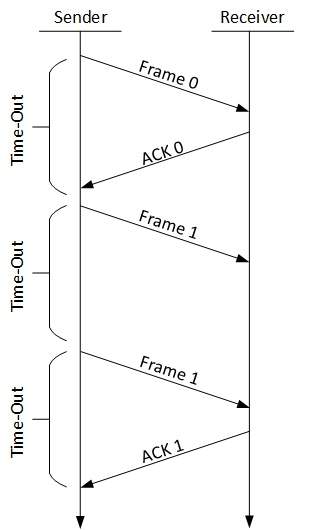
Data Link Control (DLC)
DLC, or Data Link Control, is generally, the services that the data-link layer of the OSI reference model provides to adjacent layers of the OSI protocol stack.
-
Data-Link Layer
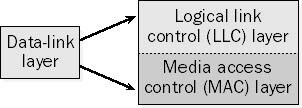
Data-link Layer is the second layer of the OSI model, which converts frames of data into raw bits for the physical layer and is responsible for framing, flow control, error correction, and retransmission of frames.
-
Media Access Control (MAC) Layer
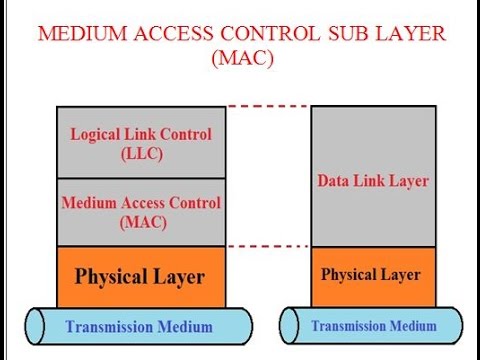
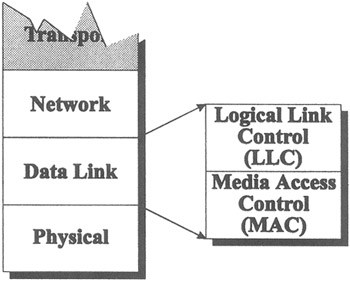
The MAC Layer is one of the two sublayers into which the data-link layer (layer 2) of the Open Systems Interconnection (OSI) reference model is subdivided based on the specifications of IEEE Project 802.
-
Logical Link Control (LLC) Layer
Logical Link Control, or LLC, is one of the two sublayers into which the data-link layer of the Open Systems Interconnection (OSI) reference model is subdivided for data-link protocols used on local area networks (LANs).
-

Copper Cabling
n the vast universe of networking, the arteries that keep the data flowing are often made of a familiar, yet crucial material: copper cabling. But what makes copper cabling the backbone of so many networks?
-

Coaxial Cable: Structure, Types, and Applications
Coaxial Cabling is a form of network cabling used primarily in older Ethernet networks and in electrically noisy industrial environments.