
Our Latest Articles
-
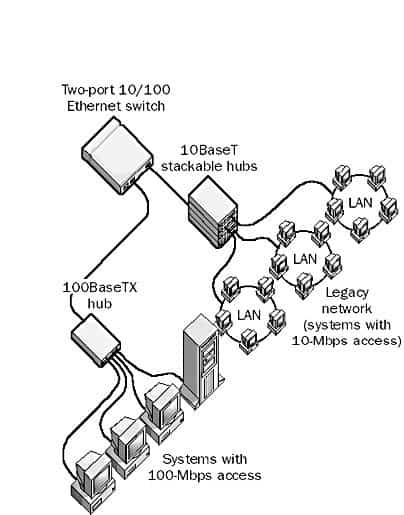
Fast Ethernet
Fast Ethernet is an Ethernet standard for 100-Mbps data transmission defined by the IEEE 802.3u specification.
-
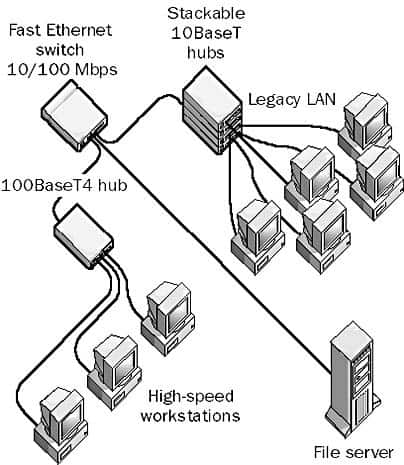
100BaseT4
100BASE-T4 is a type of standard for implementing Fast Ethernet networks. 100BaseT4 is based on 802.3u, which is an extension of the 802.3 specifications of Project 802 developed by the IEEE.
-
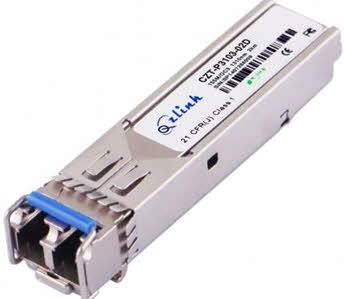
100BaseFX
100BaseFX networks are a standard for Fast Ethernet, based on 802.3u. Find out more by reading the full article.
-
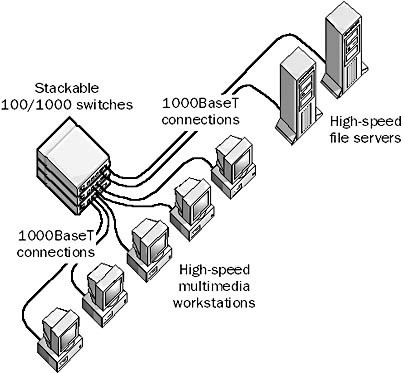
1000BaseT
1000BASE-T is a type of standard for implementing Gigabit Ethernet networks. The T in 1000BaseT identifies it as an extension of the traditional 10BaseT and 100BaseT Ethernet technologies for transmission over copper unshielded twisted-pair (UTP) cabling.
-
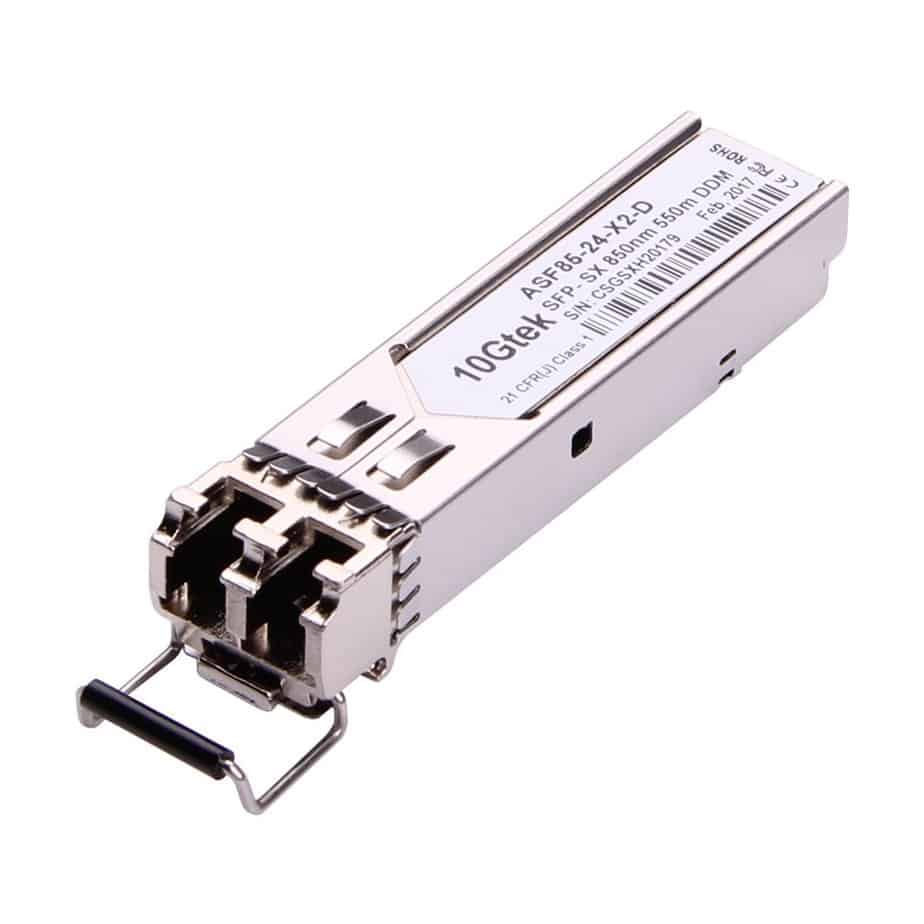
1000BaseSX
Let’s delve into the world of 1000Base-SX, a fiber optic Gigabit Ethernet standard for operation over multi-mode fiber.
-
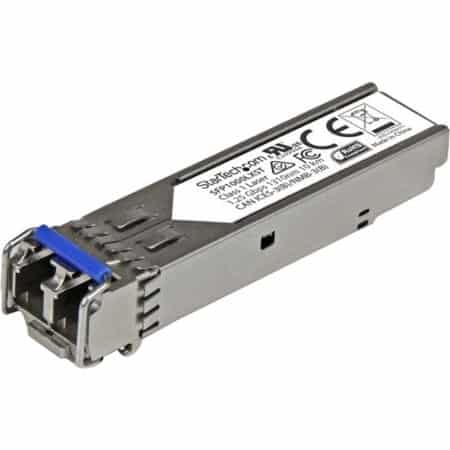
1000BaseLX
Dive into the 1000Base-LX standard, a cornerstone of Gigabit Ethernet technology that uses long-wavelength signals for extended reach over both fiber and copper networks.
-
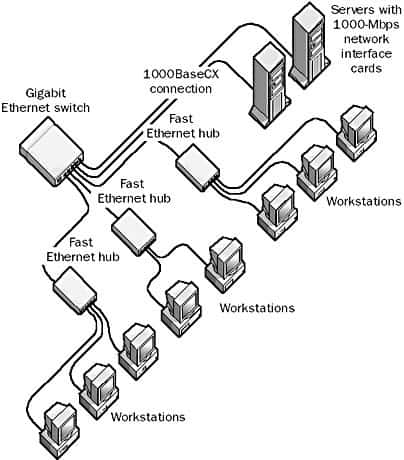
1000BaseCX
Dive into the technicalities and applications of 1000BaseCX, the robust standard for Gigabit Ethernet over copper cabling, in our extensive guide.
-
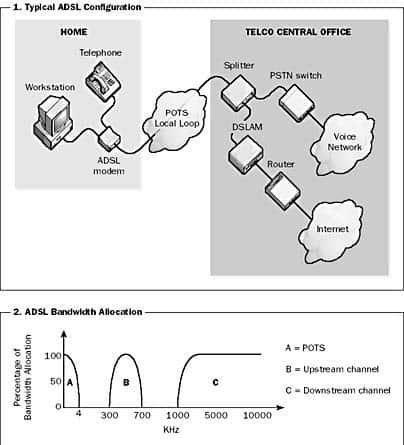
Asymmetric Digital Subscriber Line (ADSL)
ADSL stands for Asymmetric Digital Subscriber Line, is a telco service that provides subscribers with high-speed digital telephone services.
-
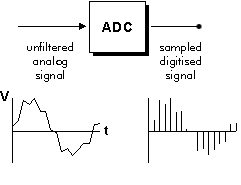
Analog-to-Digital Converter (ADC)
ADC stands for Analog-To-Digital Converter, is any device for changing analog signals into digital transmission – for example, recording someone singing onto a CD.
-
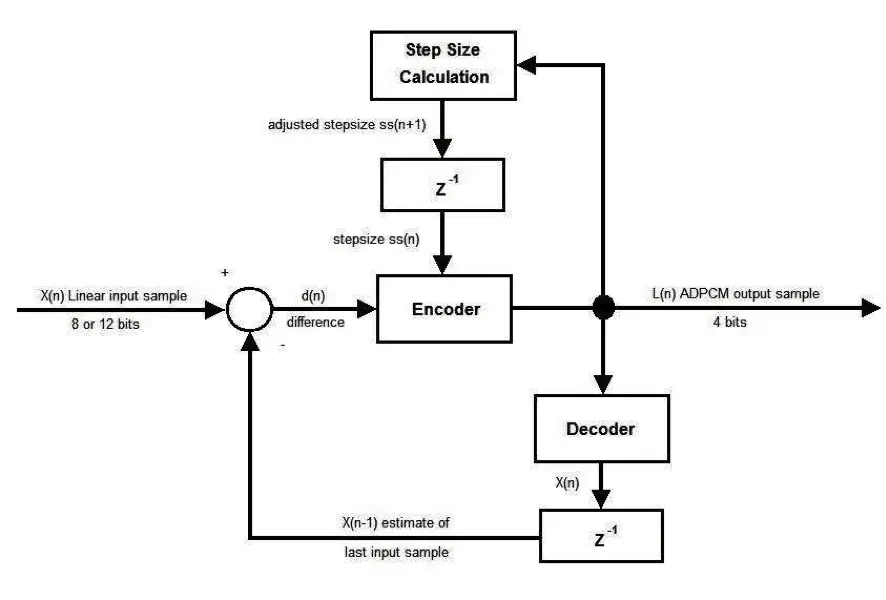
Adaptive Differential Pulse-Code Modulation (ADPCM)
ADPCM stands for Adaptive Differential Pulse-Code Modulation, is a technique for converting analog sound, such as speech, into binary digital information by frequently sampling the sound and expressing its modulation in binary form.
-

Adapter: Bridging the Gap
Dive into the world of network hardware adapters, exploring their vital role in connecting diverse electronic devices for seamless network functionality.
-
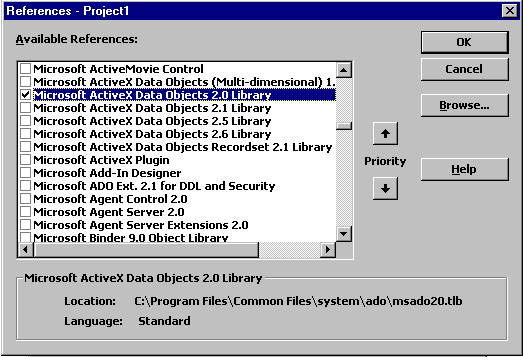
ActiveX Data Objects (ADO)
ADO stands for ActiveX Data Objects, is a data access interface used to communicate with OLE DB–compliant data sources.