
The Editorial Team is a collective of technology enthusiasts, computer network engineers, and industry professionals dedicated to creating meticulously curated content for a diverse readership. With a combined experience spanning several decades, our team distills complex technology topics into clear, informative articles. Whether it’s networking fundamentals, cutting-edge AI insights, or in-depth guides on blockchain technology, the Editorial Team strives to provide reliable information that advances the understanding of technology for everyone from students to seasoned professionals.

Editorial Team’s mission
The Editorial Team’s mission extends beyond mere reporting; we aim to be the architects of understanding, constructing bridges over the rivers of jargon and complexity. From the foundational bricks of networking to the ever-evolving skies of cloud computing, we guide you through the technological labyrinth.
We take pride in our meticulous attention to detail and our unwavering commitment to accuracy, ensuring that each piece of information is a thread in the vast tapestry of technological knowledge. As we chart the course through the evolving landscape of technology, we invite our readers to join us on this exhilarating journey of discovery and growth. Together, we not only explore the current terrain of technology but also anticipate the horizons of tomorrow’s innovations.
Our Latest Articles
-
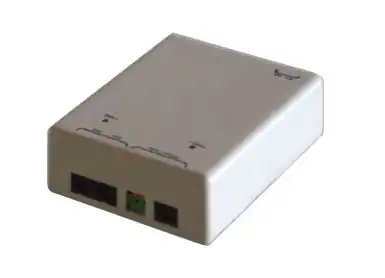
Network Termination Unit (NTU)
Network Termination Unit is a device for connecting digital ISDN customer premises equipment to ISDN lines allows customer premises equipment to be connected to the switching equipment at the telco’s central office.
-
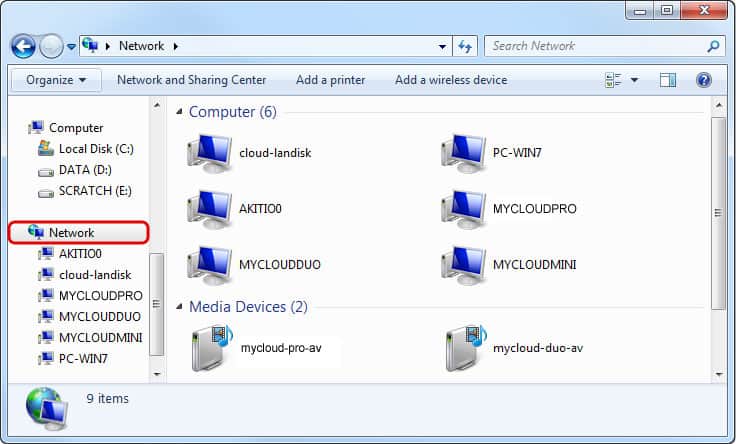
Network Neighborhood: Evolution and Relevance
Discover the legacy of Network Neighborhood in Windows OS, its evolution, and its lasting impact on today’s network understanding.
-
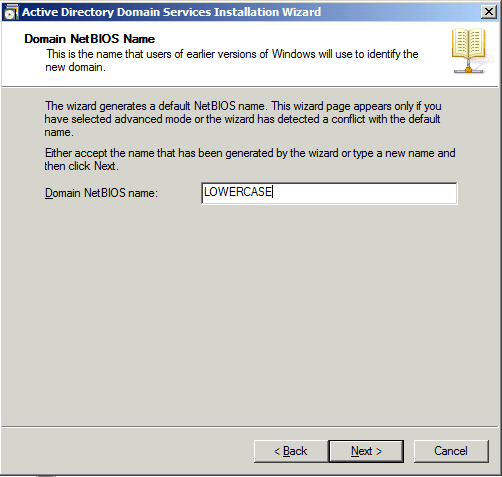
NBNS: NetBIOS Name Server
Uncover the essentials of NetBIOS Name Server (NBNS), its role in network naming services, and its relevance in today’s networking world.
-
Near-end Crosstalk (NEXT)
NEXT (near-end crosstalk) is a measurement of the ability of cabling to reject crosstalk.
-
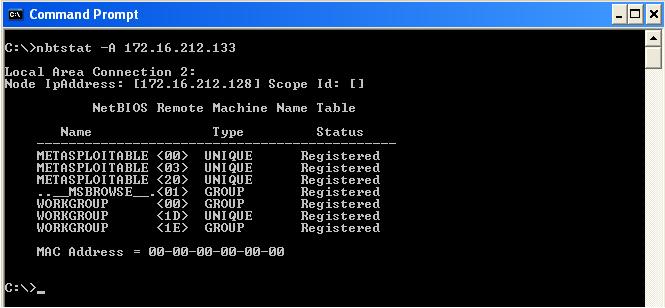
NBTSTAT
Nbtstat is a TCP/IP utility that displays current TCP/IP connections and statistics using NetBIOS over TCP/IP (NetBT).
-
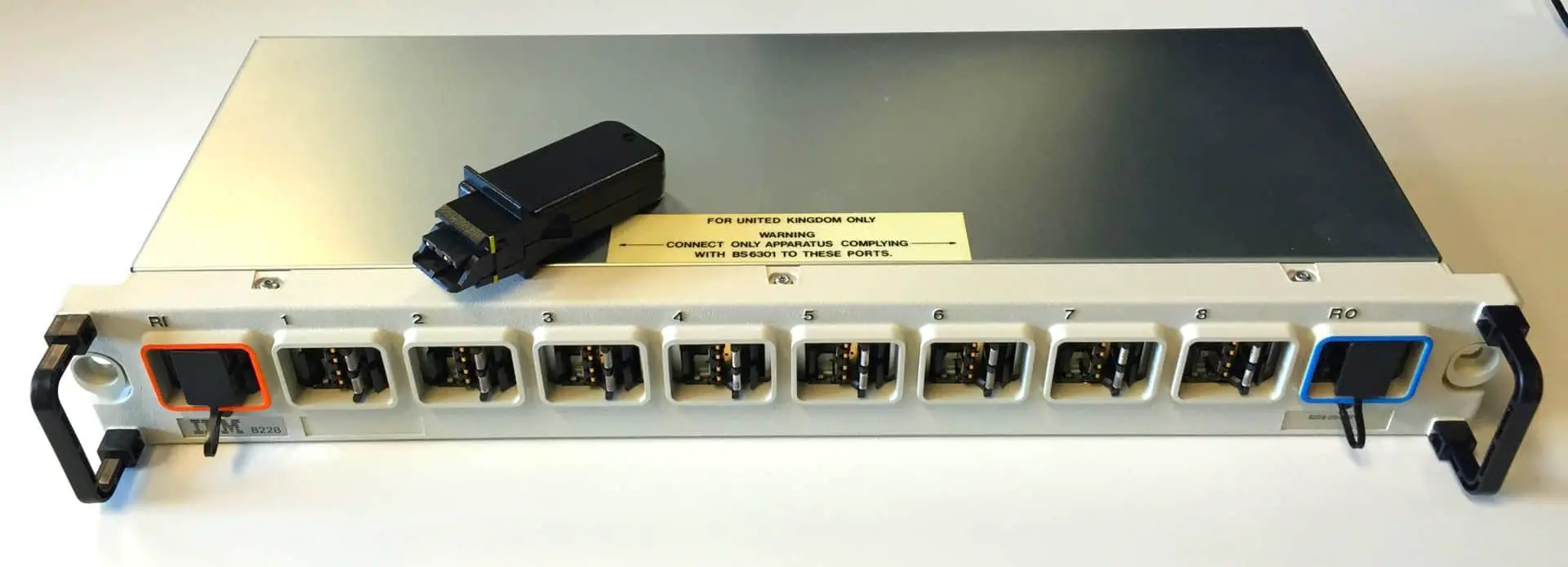
Multistation Access Unit (MAU)
MAU (stands for Multistation Access Unit) was a wiring concentrator or passive hub used in Token Ring networks. Read the article to fully understand this concept.
-
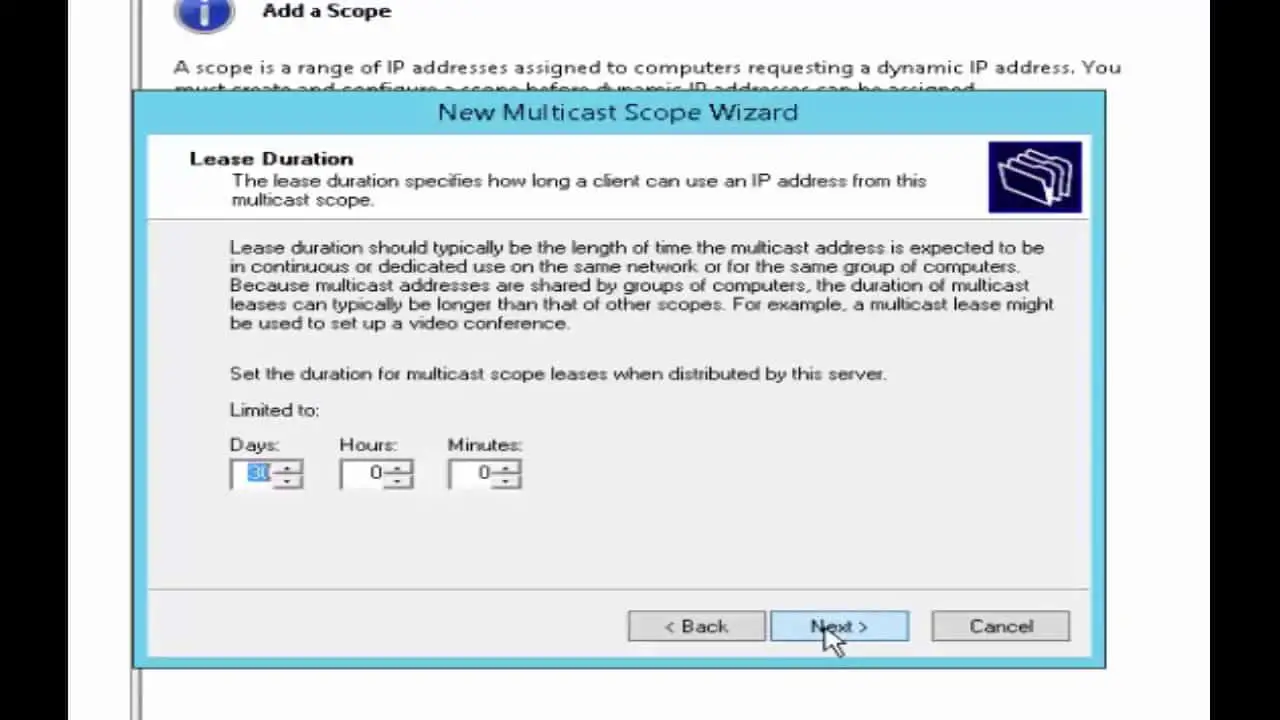
Multicast DHCP (MDHCP)
MDHCP, stands for Multicast DHCP, is an extension to the Dynamic Host Configuration Protocol (DHCP) that offers dynamic assignment and configuration of Internet Protocol (IP) multicast addresses on TCP/IP networks.
-

Modulation
Modulation is the process by which information is encoded into electrical signals for transmission over a medium.
-

Microsoft Open License Program (MOLP)
The Microsoft Open License Program (MOLP) was a strategic licensing initiative designed by Microsoft to cater to the needs of small to mid-sized businesses, streamlining the process of acquiring, upgrading, and managing Microsoft software licenses.
-
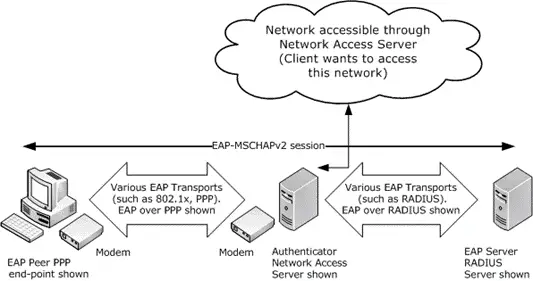
Microsoft Challenge Handshake Authentication Protocol (MS-CHAP)
MS-CHAP stands for Microsoft Challenge Handshake Authentication Protocol, is an encrypted authentication scheme used in wide area network (WAN) communication.
-

CSMA/CA: Optimizing Network Access in Wireless Environments
Explore CSMA/CA, the key network access method in wireless environments, understanding its mechanics, role in Wi-Fi, and comparison with CSMA/CD.
-
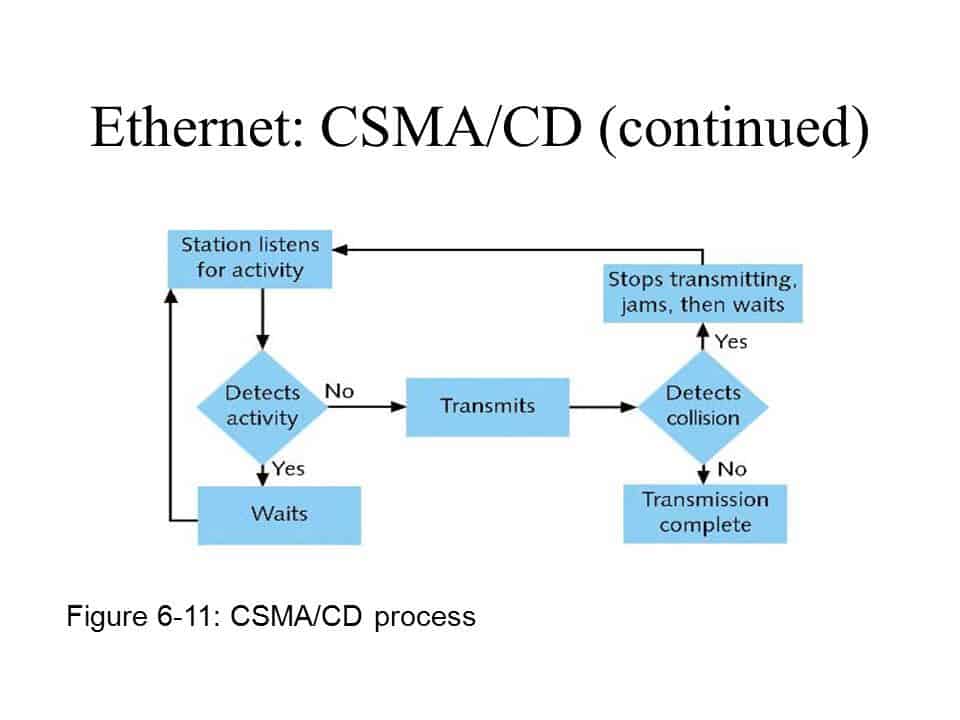
Carrier Sense Multiple Access with Collision Detection (CSMA/CD)
CSMA/CD is a type of media access control method for placing signals on baseband transmission networks.