
Our Latest Articles
-
![PTR Record [DNS System]](https://networkencyclopedia.com/wp-content/uploads/2019/08/ptr-pointer.png)
PTR Record [DNS System]
Discover the role of PTR Records in DNS. Learn why they matter for email verification, system logging, and security, and how to manage them effectively.
-
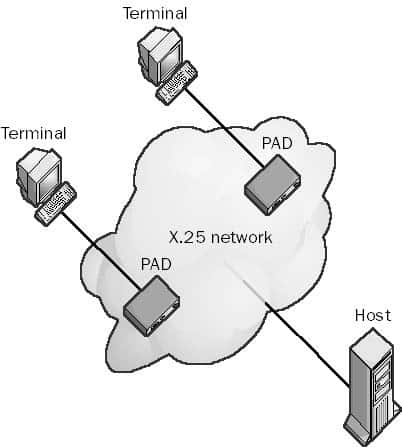
Packet Assembler/Disassembler (PAD)
PAD, stands for packet assembler-disassembler, is a telecommunications device that breaks a data stream into individual packets and formats the packet headers for asynchronous transmission over an X.25 network.
-
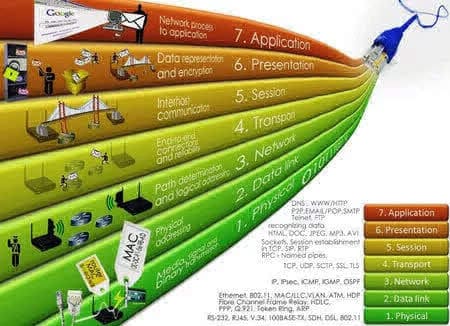
Open Systems Interconnection (OSI) reference model
OSI is an architectural model for open networking systems that was developed by the International Organization for Standardization (ISO) in Europe in 1974.
-
Object in Active Directory
Object is the basic element of Active Directory in Microsoft Windows Server family that represents something on the network, such as a user, a group, a computer, an application, a printer, or a shared folder.
-
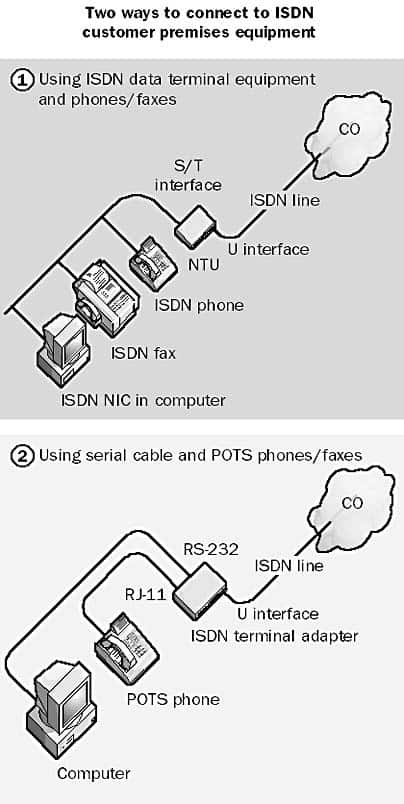
Integrated Services Digital Network (ISDN)
ISDN, Integrated Services Digital Network, is a digital communication service provided by telcos.
-
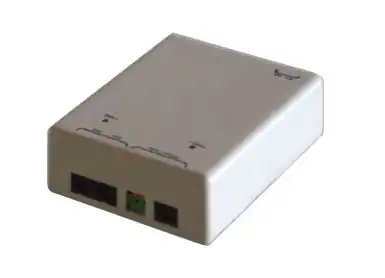
Network Termination Unit (NTU)
Network Termination Unit is a device for connecting digital ISDN customer premises equipment to ISDN lines allows customer premises equipment to be connected to the switching equipment at the telco’s central office.
-
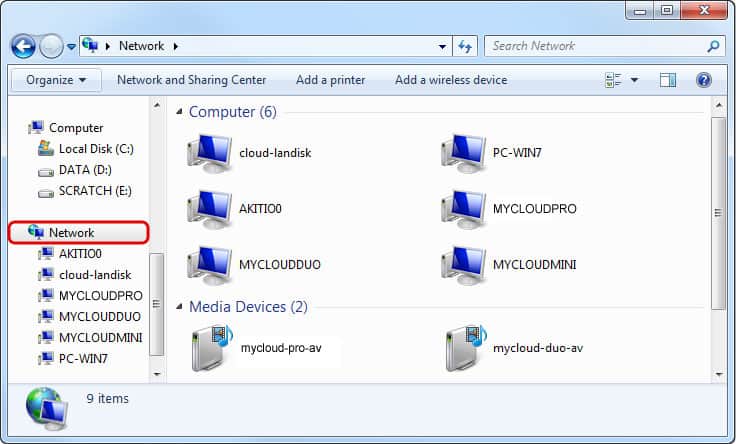
Network Neighborhood: Evolution and Relevance
Discover the legacy of Network Neighborhood in Windows OS, its evolution, and its lasting impact on today’s network understanding.
-
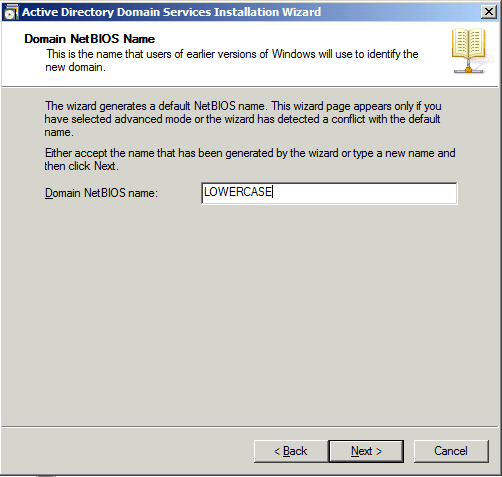
NBNS: NetBIOS Name Server
Uncover the essentials of NetBIOS Name Server (NBNS), its role in network naming services, and its relevance in today’s networking world.
-
Near-end Crosstalk (NEXT)
NEXT (near-end crosstalk) is a measurement of the ability of cabling to reject crosstalk.
-
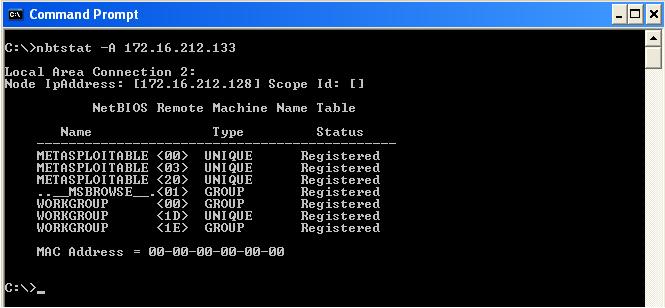
NBTSTAT
Nbtstat is a TCP/IP utility that displays current TCP/IP connections and statistics using NetBIOS over TCP/IP (NetBT).
-
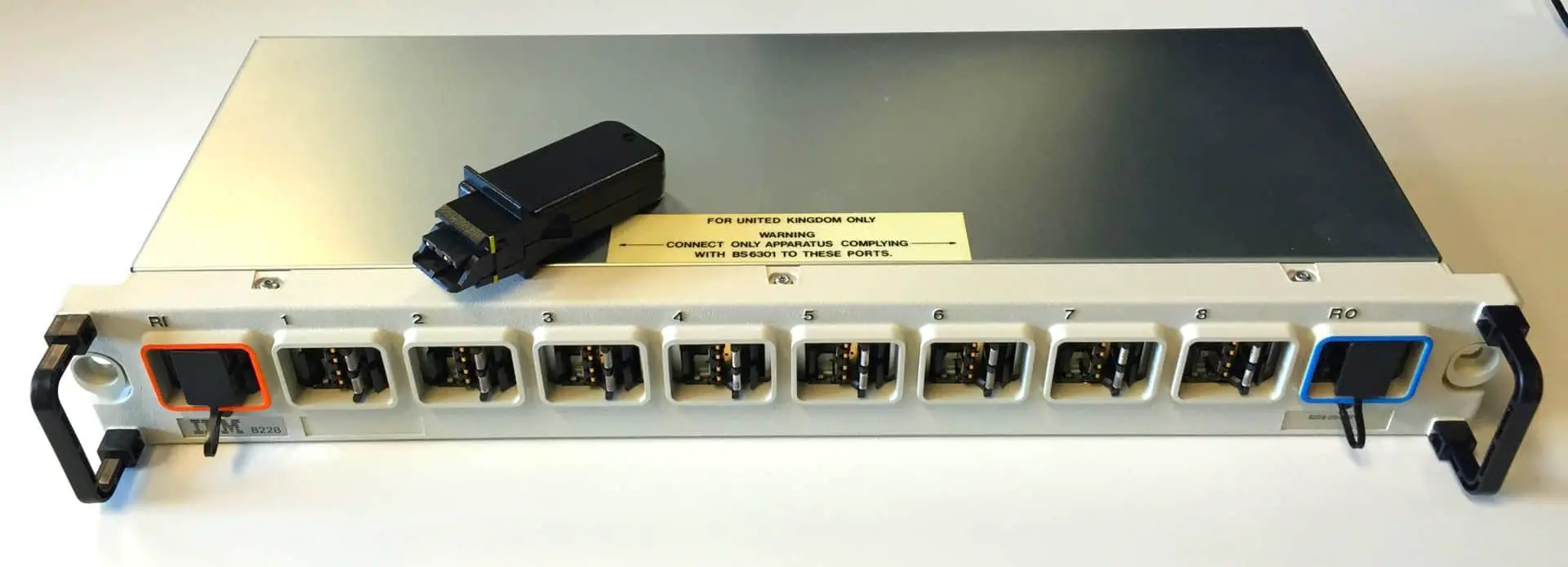
Multistation Access Unit (MAU)
MAU (stands for Multistation Access Unit) was a wiring concentrator or passive hub used in Token Ring networks. Read the article to fully understand this concept.
-

Multiplexer (MUX)
A multiplexer is a telecommunications device that multiplexes several data channels from different pieces of data terminal equipment (DTE).