
Our Latest Articles
-
Multicast DHCP (MDHCP)
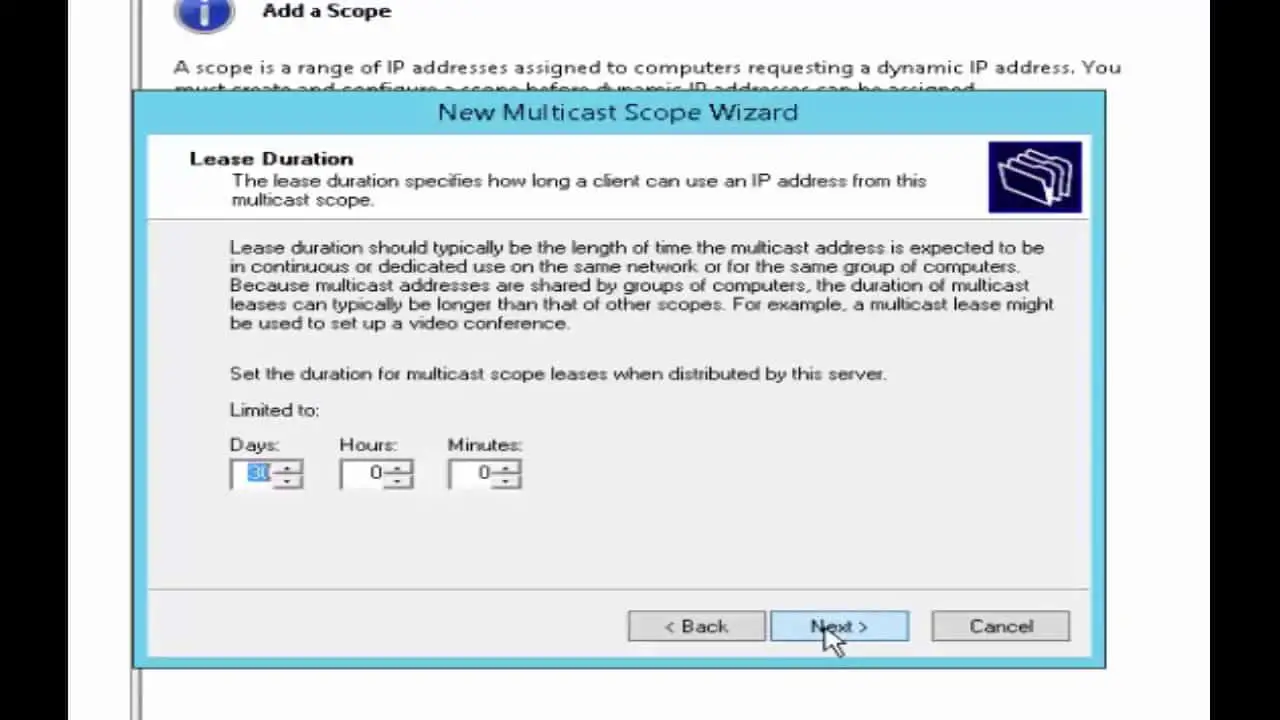
MDHCP, stands for Multicast DHCP, is an extension to the Dynamic Host Configuration Protocol (DHCP) that offers dynamic assignment and configuration of Internet Protocol (IP) multicast addresses on TCP/IP networks.
-
Modulation
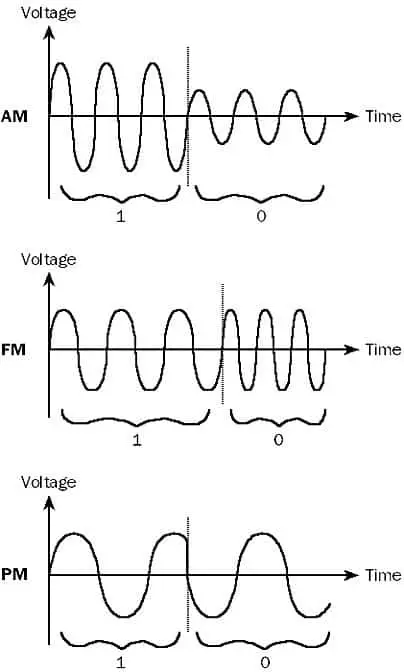
Modulation is the process by which information is encoded into electrical signals for transmission over a medium.
-

Microsoft Open License Program (MOLP)
The Microsoft Open License Program (MOLP) was a strategic licensing initiative designed by Microsoft to cater to the needs of small to mid-sized businesses, streamlining the process of acquiring, upgrading, and managing Microsoft software licenses.
-
Microsoft Challenge Handshake Authentication Protocol (MS-CHAP)
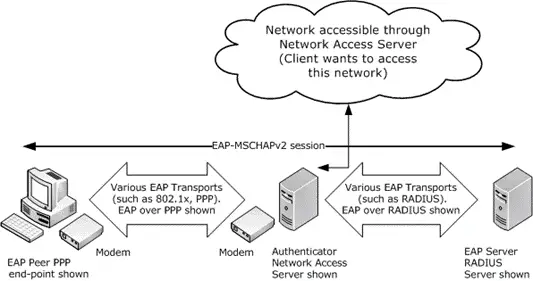
MS-CHAP stands for Microsoft Challenge Handshake Authentication Protocol, is an encrypted authentication scheme used in wide area network (WAN) communication.
-

CSMA/CA: Optimizing Network Access in Wireless Environments
Explore CSMA/CA, the key network access method in wireless environments, understanding its mechanics, role in Wi-Fi, and comparison with CSMA/CD.
-
Carrier Sense Multiple Access with Collision Detection (CSMA/CD)
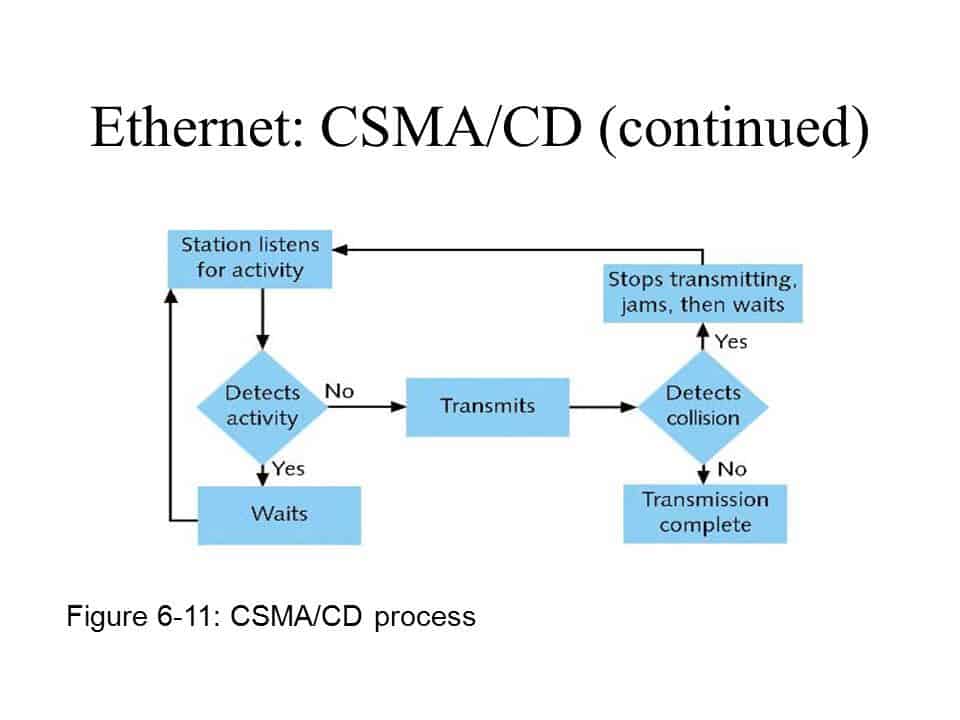
CSMA/CD is a type of media access control method for placing signals on baseband transmission networks.
-
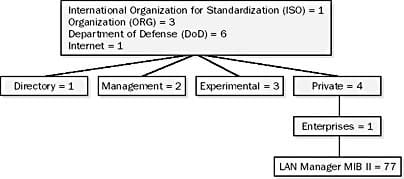
Management Information Base (MIB)
MIB stands for Management Information Base, is a hierarchical database that defines the information that an SNMP management system can request.
-
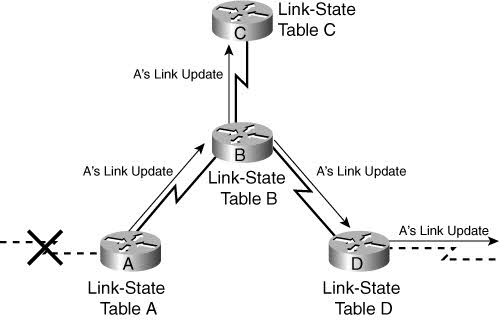
Link State Routing Algorithm
Link State Routing Algorithm is a routing method used by dynamic routers in which every router maintains a database of its individual autonomous system (AS) topology.
-

Line Printer Daemon (LPD)
LPD stands for Line Printer Daemon, is a general TCP/IP daemon on UNIX networks that is used for receiving and spooling print jobs on a print server.
-
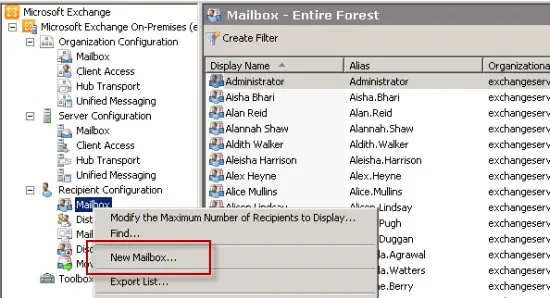
Leaf Object: Understanding its Role in Computer Systems and Active Directory
Discover the ins and outs of Leaf Objects in computer science and Active Directory. Learn why they’re crucial in data structures, resource management, and more.
-
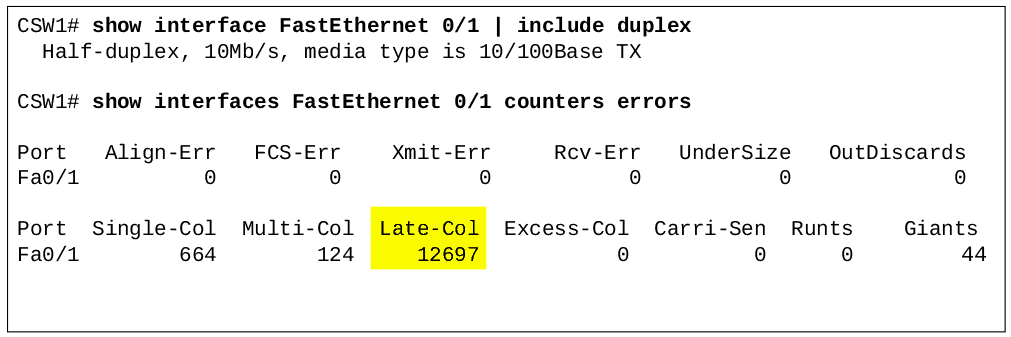
Late Collision
Late Collision is a collision on an Ethernet network that is detected late in the transmission of the packet. And why does this happen?
-
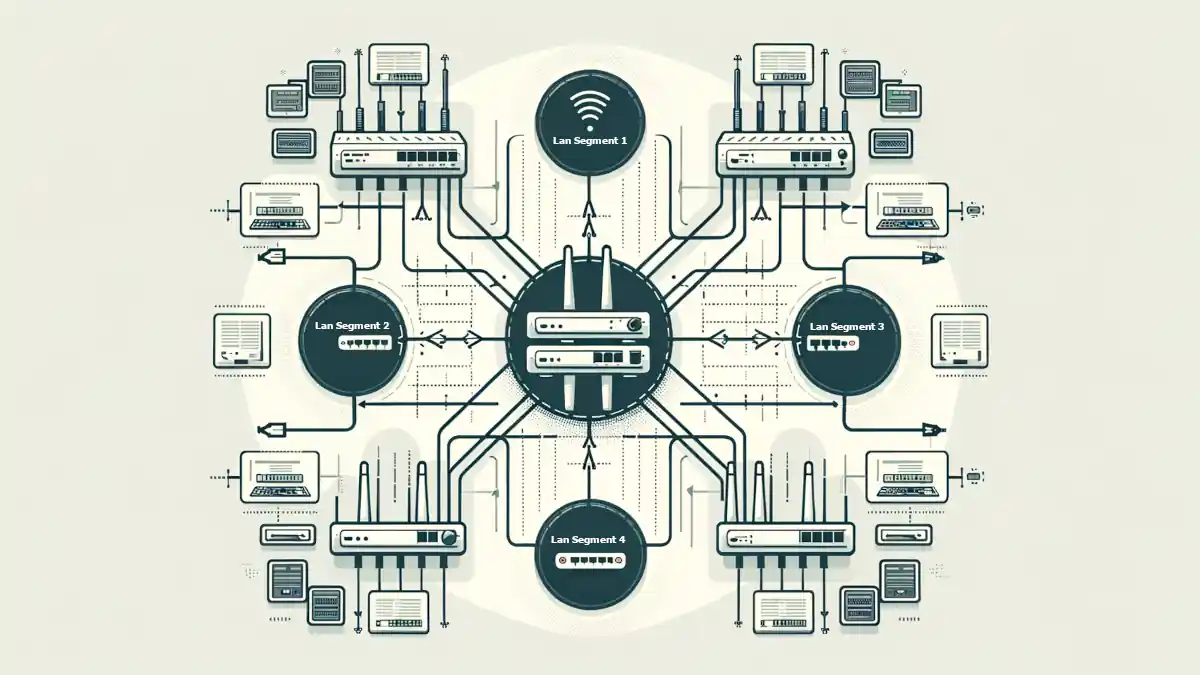
LAN Segment
Uncover the strategic role of LAN segments in network design, improving performance by structuring data flow efficiently across local area networks.