
Our Latest Articles
-
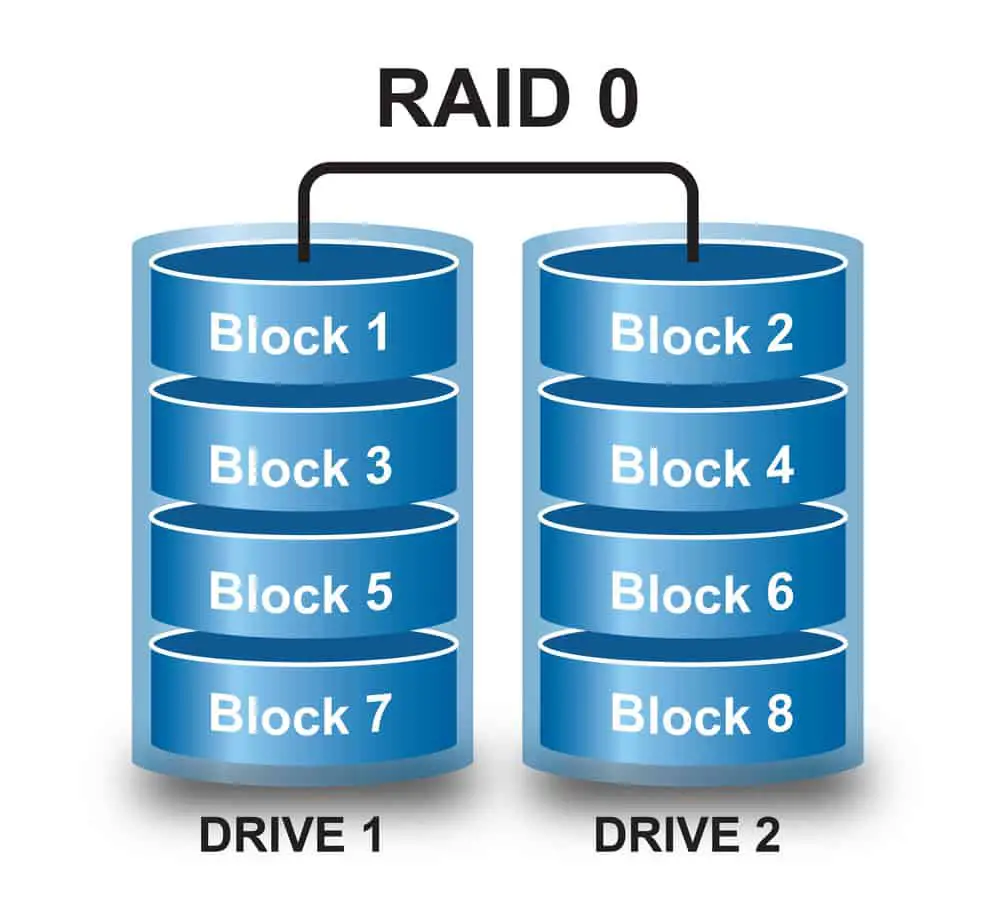
Raid 0 – Implementing disk striping
Guide to help you implementing RAID 0 on Windows Server.
-
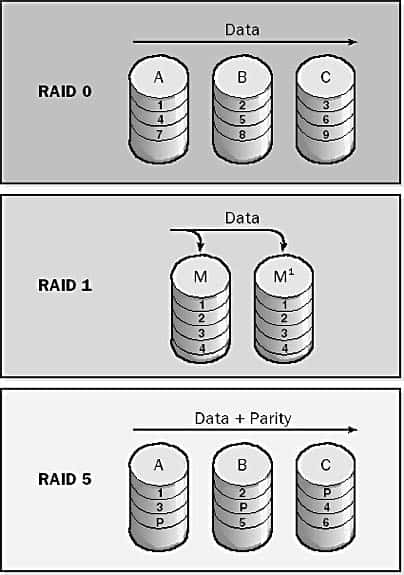
RAID
RAID stands for redundant array of independent disks, is a technology for implementing fault-tolerance on a disk subsystem by using data redundancy, either using software or using a separate hardware RAID storage unit.
-
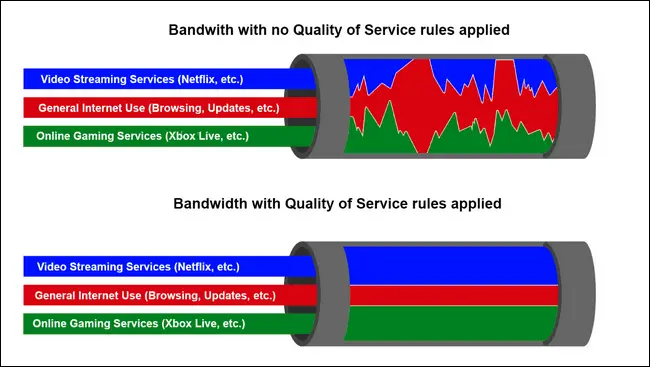
Quality of Service (QoS)
QoS is any networking technology that has predictable latency and data loss.
-
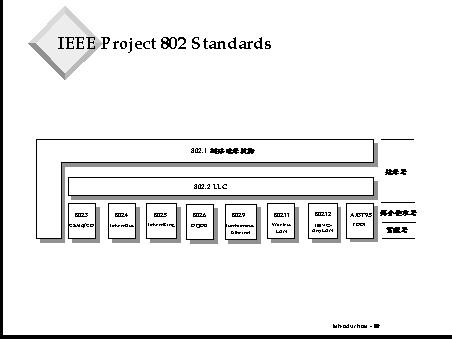
Project 802
Dive into Project 802—an IEEE initiative defining LAN and WAN technologies. Explore its major subsections like 802.1 to 802.14, covering everything from Ethernet to network security.
-
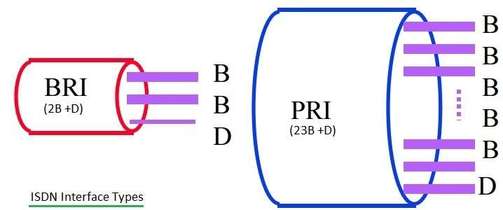
PRI-ISDN: Primary Rate Interface ISDN
Explore the legacy of PRI-ISDN: a once-dominant ISDN framework for digital communication, now overtaken by modern telecommunication technologies.
-

Permanent Virtual Circuit (PVC)
Permanent Virtual Circuit is a form of telecommunications service for wide area networks (WANs) that provides a dedicated switched circuit between two nodes in a circuit-switched network.
-

Pass-Through Authentication
Pass-Through Authentication is a method of performing authentication to a domain controller that resides in a trusted domain.
-
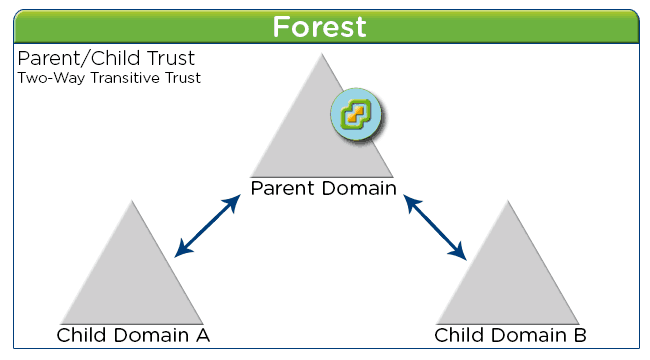
Parent Domain
Parent Domain is a domain in a Microsoft Windows Server domain tree whose Domain Name System (DNS) name forms the basis of subdomains called child domains.
-
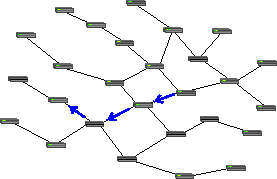
Packet Forwarding
Packet Forwarding is the process of a networking component accepting a packet and transmitting it to its destination.
-
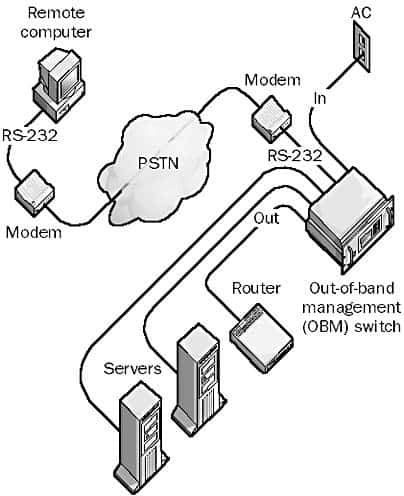
Out-of-Band Management (OBM)
OBM stands for Out-of-Band Management, is a method of remotely managing the wide area network (WAN) telecommunications components of your network by using a secondary serial communication link.
-
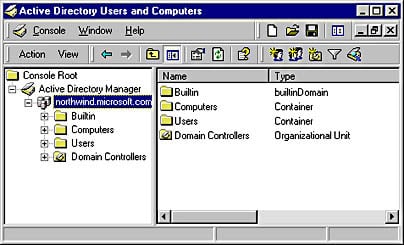
Organizational Unit (OU)
Organizational Unit is a type of container object in Active Directory of Microsoft Windows 2000 that can contain other Active Directory objects.
-
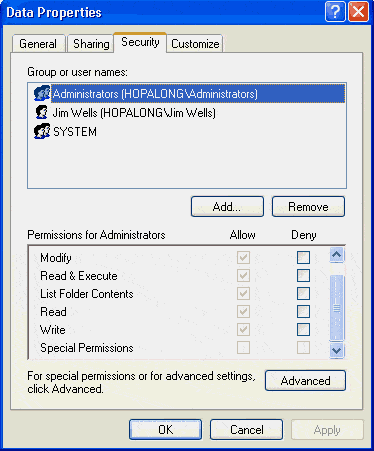
NTFS special permissions (Windows NT)
NTFS Special Permissions are individual permissions granted or denied when NTFS file system standard permissions are not sufficiently granular for specific security purposes.