
Category: A to Z
-

Internet-Standard Management Framework
The Internet-Standard Management Framework refers to a set of protocols, standards, and guidelines used for managing and monitoring network devices, systems, and services within an Internet environment.
-

ECC RAM
ECC RAM stands for Error-Correcting Code RAM. It’s a specialized form of computer memory that integrates sophisticated error detection and correction functionalities.
-

Fibre Channel
Fibre Channel is a high-speed, reliable, and scalable networking technology designed specifically for storage area networks (SANs) and other data-intensive environments
-

Demystifying Storage Area Network (SAN)
In this blog post, we will embark on a journey to unravel the mysteries of SANs, exploring their fundamental concepts, benefits, and real-world applications.
-

DDR RAM
DDR RAM, short for Double Data Rate Random Access Memory, is a type of computer memory that offers improved data transfer rates compared to its predecessors.
-

The Evolution of Wi-Fi Technology and its Impact on Modern Networks
In the dawn of the digital age, a revolutionary technology emerged, altering the very fabric of human communication and connectivity – the Wireless Fidelity,
-

Software-Defined Networking (SDN): The Future of Networking?
Software-Defined Networking (SDN) is a network architecture approach that decouples the control plane from the data plane, enabling centralized control of the entire network through software.
-
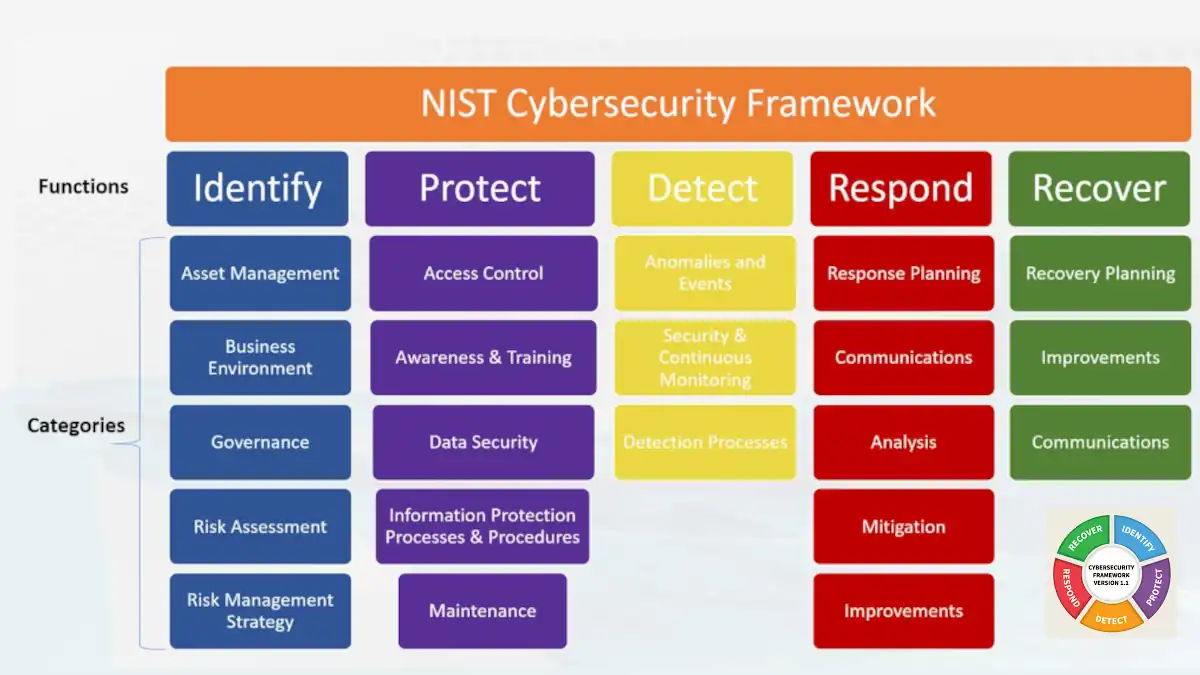
National Institute of Standards and Technology (NIST) Cybersecurity Framework (CSF)
The National Institute of Standards and Technology (NIST) Cybersecurity Framework (CSF) is a set of guidelines and best practices for managing cybersecurity risks in an organization.
-

Starting to Understand Quantum Computing in a Simple Way
Quantum computing is a type of computing that uses the principles of quantum mechanics to perform calculations and solve problems.
-

Edge Traversal
Edge Traversal refers to the ability of a packet to pass from one network to another network at the edge or boundary of the first network.
-
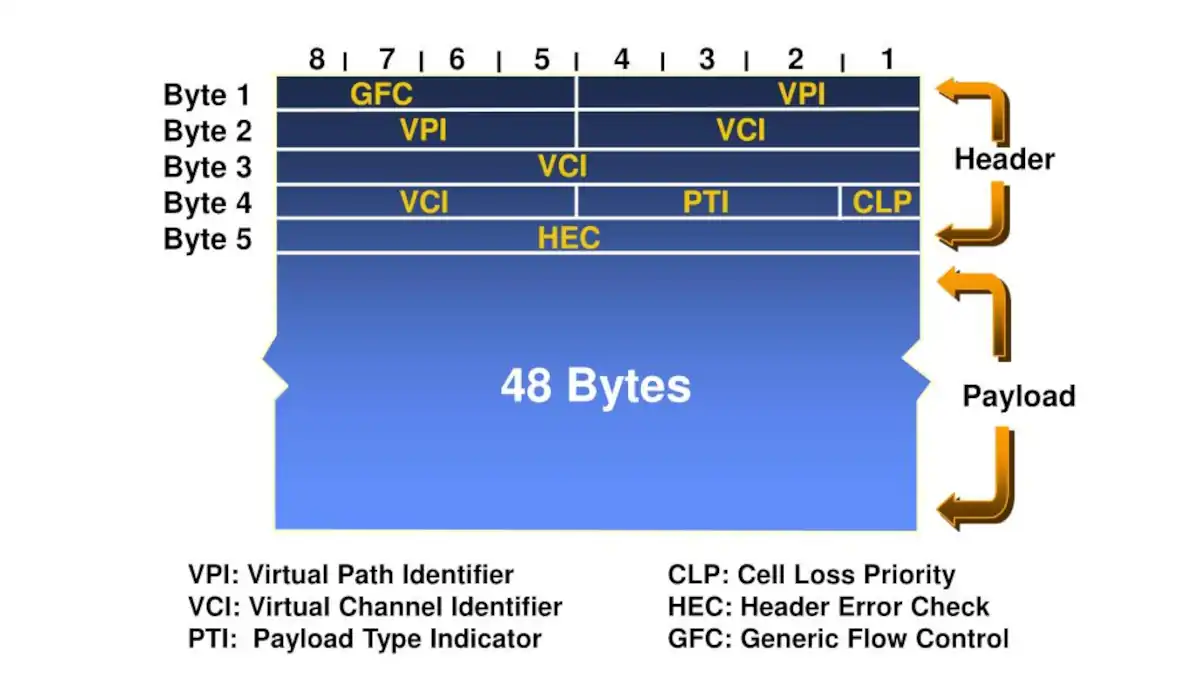
What is the Payload Type Indicator (PTI) in computer networking?
Payload Type Indicator (PTI) is a field in a data packet that indicates the type of data being transmitted.
-
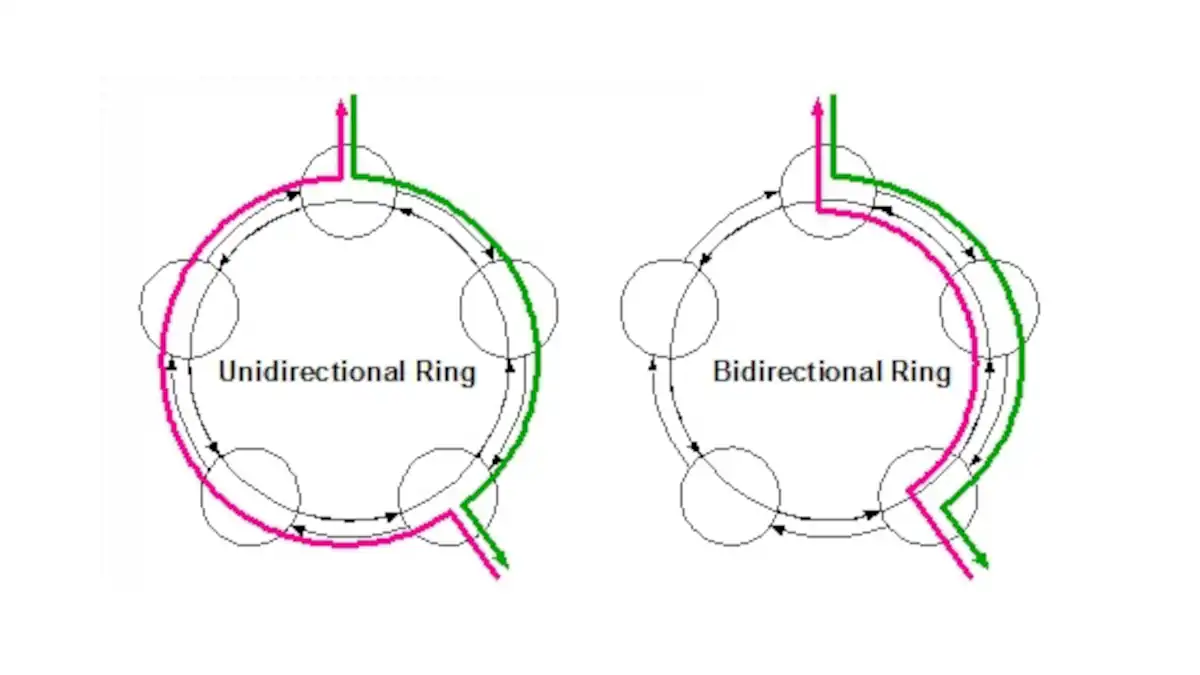
Bidirectional Path Switched Ring (BPSR)
A bidirectional path switched ring (BPSR) is a type of network architecture that uses a ring topology to transmit data between nodes.