
Category: A to Z
-
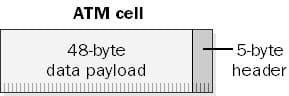
Cell in ATM
Cell in ATM is a 53-byte packet of data, the standard packet size used by Asynchronous Transfer Mode (ATM) communication technologies.
-
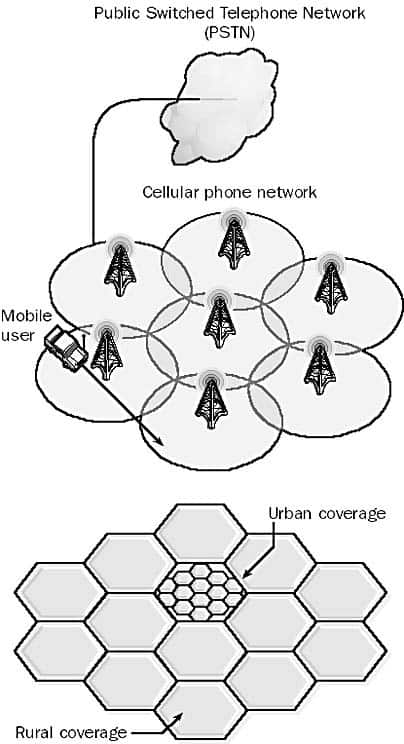
Cellular Phone Technology
Cellular Phone Technology is a general term for a series of different technologies that enable cell-based wireless communication.
-
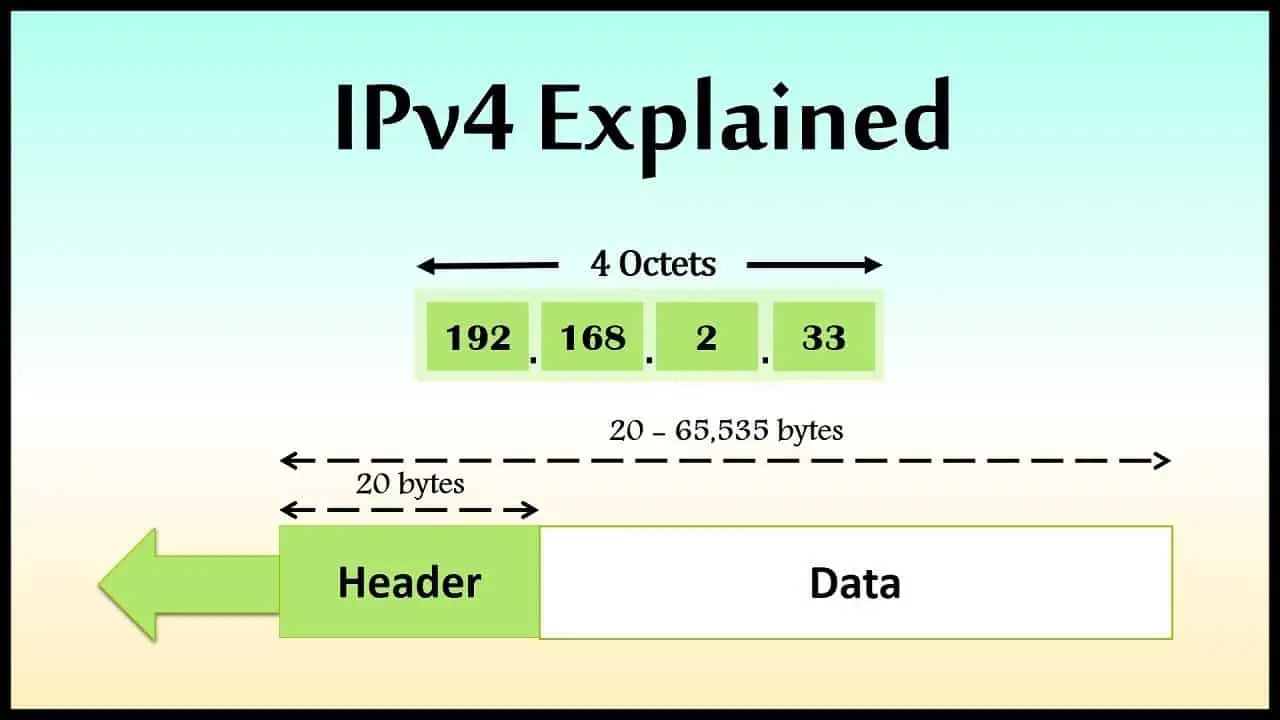
IPv4
Master the world of IPv4 with this comprehensive guide. Explore its history, structure, working mechanisms, and more. Your one-stop resource on IPv4.
-
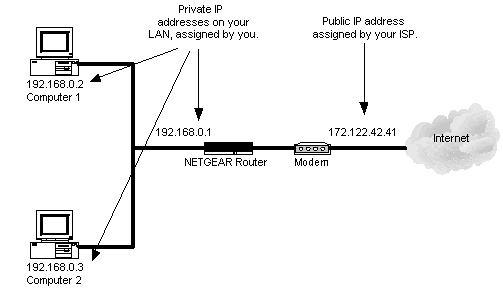
Network Address Translation (NAT)
NAT stands for Network Address Translation is a form of packet filtering used in firewall products that protect a network from outside intrusion by hackers.
-
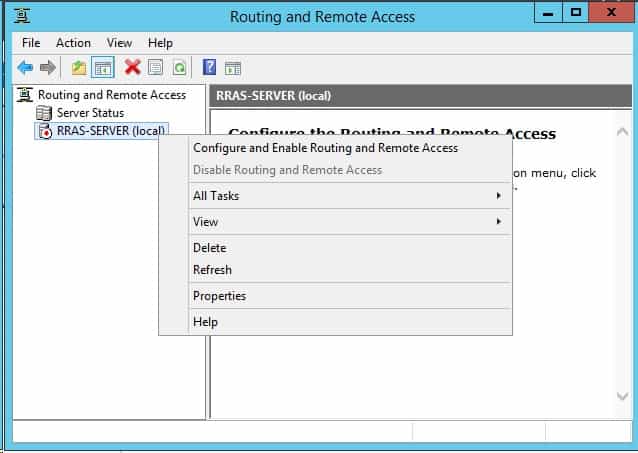
Routing and Remote Access Service (RRAS)
RRAS stands for Routing and Remote Access Service is a feature of Windows Server operating systems family that provides additional support for TCP/IP internetworking.
-
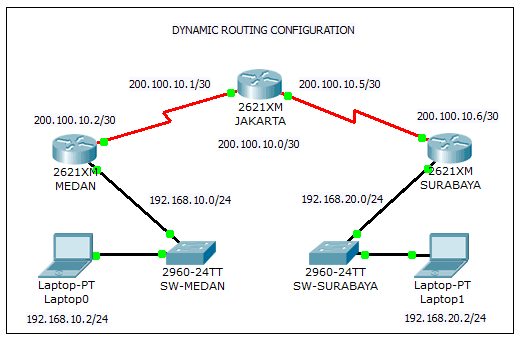
Dynamic Routing
Dynamic Routing is a routing mechanism handled by a routing protocol, such as Routing Information Protocol (RIP) or Open Shortest Path First (OSPF) Protocol, that dynamically exchanges routing information among routers on an internetwork.
-

Static Routing: A Comprehensive Guide
Static Routing is a routing mechanism that is handled by the Internet Protocol (IP) and that depends on manually configured routing tables.
-

Optical Carrier (OC-x) Levels
Discover the intricate world of Optical Carrier Levels (OC-x), their role in SONET and ATM networks, and how they compare with the T-Carrier system. Learn about the modern technologies that have replaced these legacy systems.
-
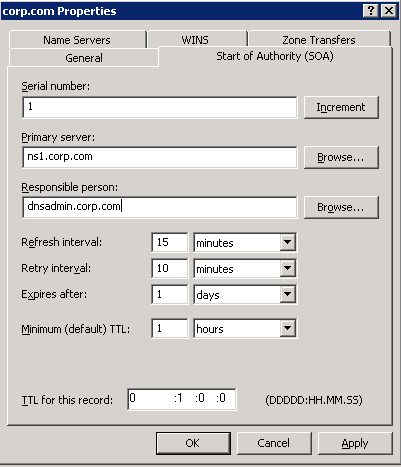
Start of Authority (SOA) Record
SOA Record stands for Start of Authority Record, is the first record in a zone file which defines the general properties of the zone for a name server.
-

Master Name Server: Understanding Its Role in DNS Architecture
Unravel the complexities of the Master Name Server in DNS systems, and explore its distinct role and differences from Primary Name Servers.
-
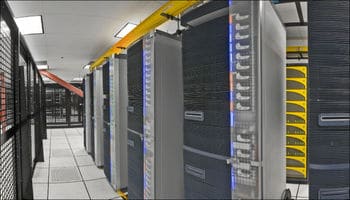
Central Office (CO)
Central Office is the main switching facility for a telco, providing access to the Plain Old Telephone Service (POTS), leased lines, and circuit-switched services that the telco offers to customers.
-
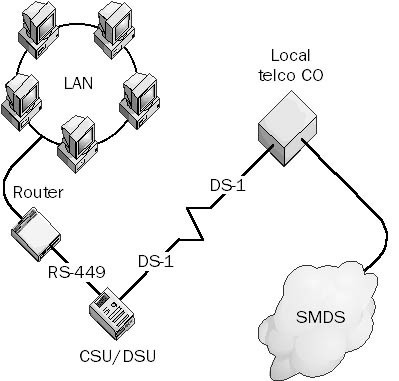
Switched Multimegabit Data Services (SMDS)
SMDS stands for Switched Multimegabit Data Services is a connectionless, packet-switched telecommunications service with speeds ranging from 56 Kbps to 34 Mbps.