
Category: Old Technology
-
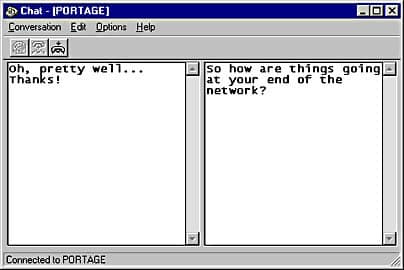
Chat (Windows 2000/NT)
Chat was an accessory in Microsoft Windows NT and Windows 2000 (winchat.exe) for communicating with text in real-time with other users on the network.
-
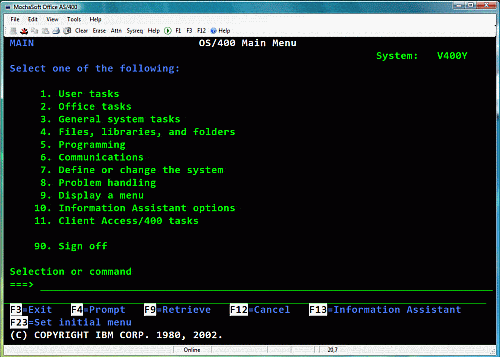
TN5250
Explore TN5250, the specialized Telnet service designed for AS/400 systems. Discover its features, applications, and modern alternatives for TN5250 clients.
-

Microsoft TechNet
TechNet is an information resource program developed by Microsoft for IT professionals who work with Microsoft products.
-

Microsoft Developer Network (MSDN)
Dive into the history of MSDN, the pivotal resource for Windows developers, and discover its evolution into modern platforms shaping software development in 2023.
-

Offline Browsing: Navigating Without Connectivity
Explore the journey of Offline Browsing from Internet Explorer’s feature to modern solutions, and understand its relevance in today’s digital world.
-
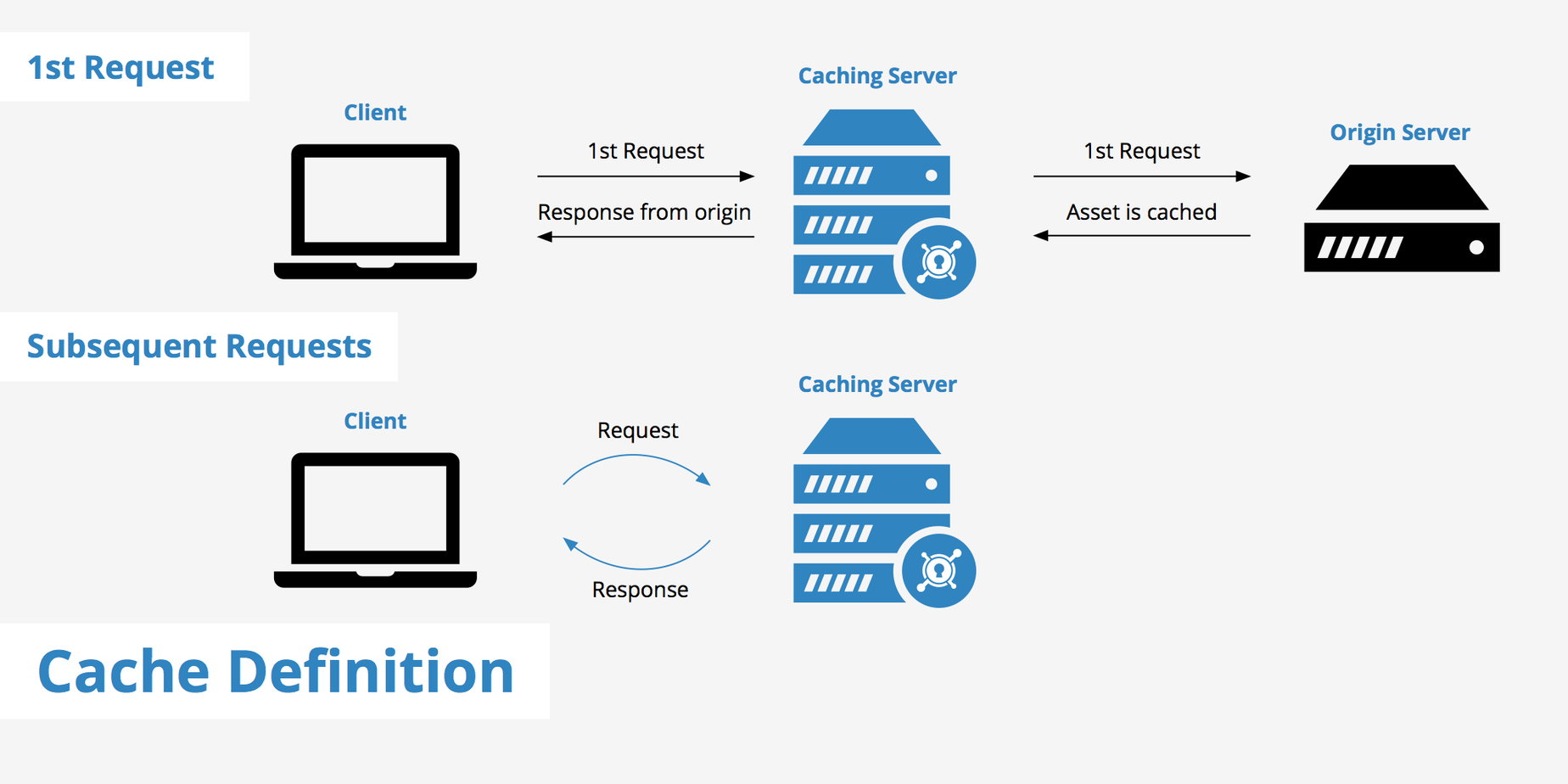
Cache Server
Cache Server is a server used to speed corporate access to Web content on the Internet by caching the Web pages that users most frequently request.
-
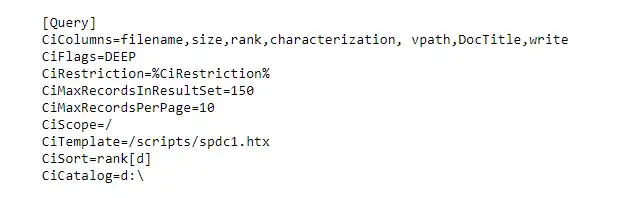
Internet Data Query (IDQ)
Unravel the mystery of .idq files! It’s like being a detective, but instead of clues, you’re decoding data queries in the digital world 🕵️♂️💻.
-
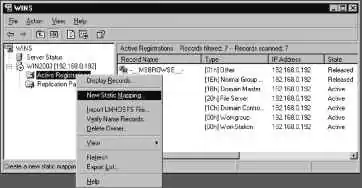
Wins Record
Learn about the historical and functional aspects of WINS Records in Windows-based networks. This article complements our main WINS guide, covering everything from its workings to examples.
-
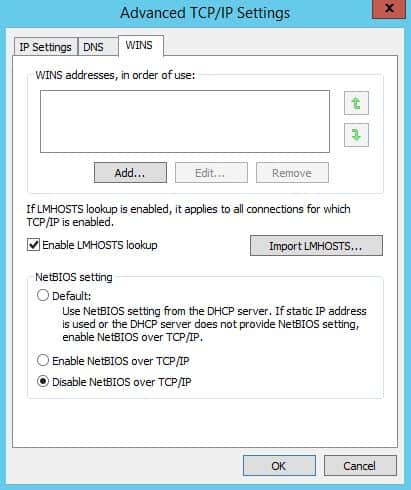
NetBT: NetBIOS over TCP/IP
Discover the inner workings of NetBT, the protocol enabling NetBIOS functionalities over TCP/IP networks. Learn how NetBT is critical for name resolution and session support, especially in Windows environments.
-

NetBIOS (Network Basic Input/Output System)
NetBIOS stands for Network Basic Input/Output System, is a specification created by IBM and Microsoft that allows distributed applications to access each other’s network services independent of the transport protocol used.
-
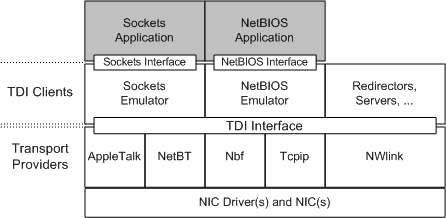
Transport Driver Interface (TDI)
Explore the evolving role of the Transport Driver Interface (TDI) in Microsoft Windows. Learn how it serves as an abstraction layer between file systems and network protocols.
-
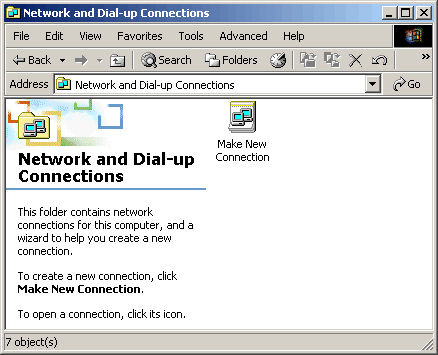
Autodial
Dive into the history of autodial in computer networking, exploring its significance during the dial-up era, its advantages, challenges, and its enduring legacy in today’s digital landscape.