
The Editorial Team is a collective of technology enthusiasts, computer network engineers, and industry professionals dedicated to creating meticulously curated content for a diverse readership. With a combined experience spanning several decades, our team distills complex technology topics into clear, informative articles. Whether it’s networking fundamentals, cutting-edge AI insights, or in-depth guides on blockchain technology, the Editorial Team strives to provide reliable information that advances the understanding of technology for everyone from students to seasoned professionals.

Editorial Team’s mission
The Editorial Team’s mission extends beyond mere reporting; we aim to be the architects of understanding, constructing bridges over the rivers of jargon and complexity. From the foundational bricks of networking to the ever-evolving skies of cloud computing, we guide you through the technological labyrinth.
We take pride in our meticulous attention to detail and our unwavering commitment to accuracy, ensuring that each piece of information is a thread in the vast tapestry of technological knowledge. As we chart the course through the evolving landscape of technology, we invite our readers to join us on this exhilarating journey of discovery and growth. Together, we not only explore the current terrain of technology but also anticipate the horizons of tomorrow’s innovations.
Our Latest Articles
-
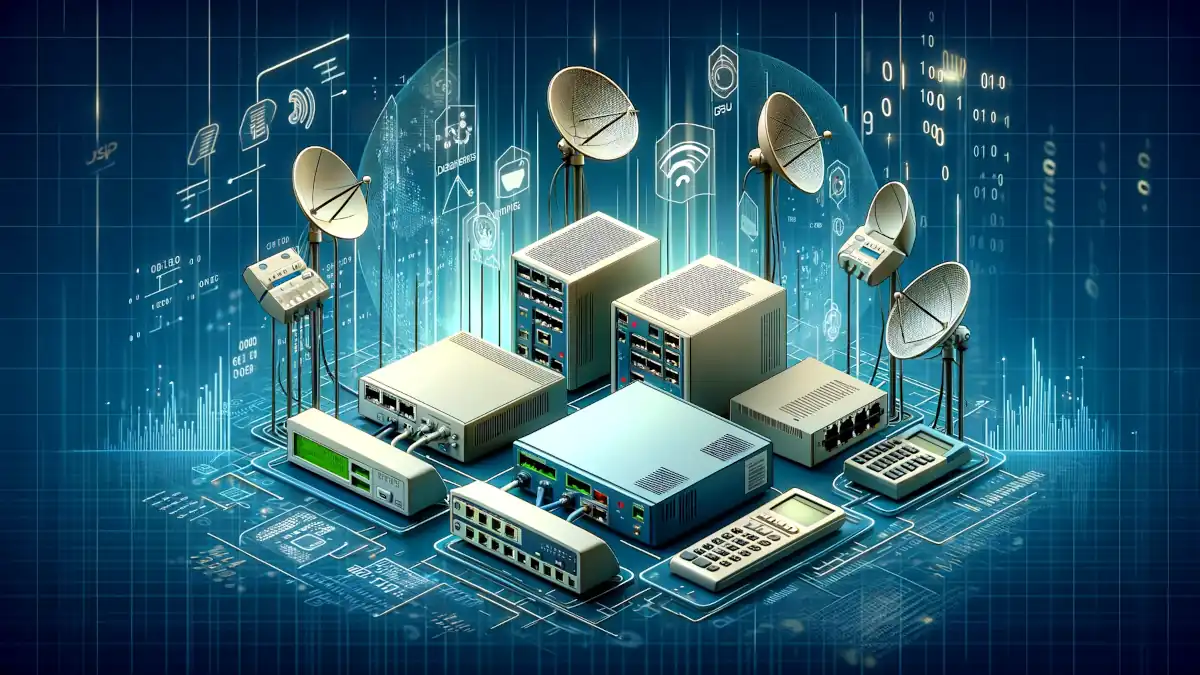
Data Communications Equipment (DCE)
The role of Data Communications Equipment (DCE) in telecom networks, exploring its types, functions, and importance in data transmission.
-
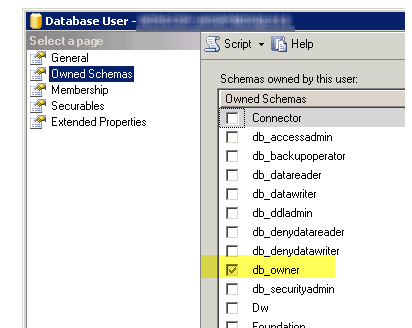
Database Owner (DBO)
Dive into the essential role of the Database Owner (DBO) in SQL Server. Understand administrative responsibilities, permissions, and best practices for managing databases effectively.
-
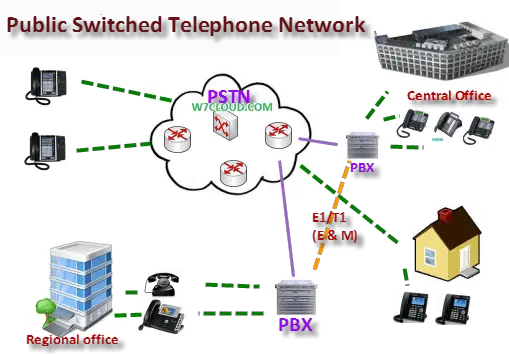
PSTN or Public Switched Telephone Network
Public Switched Telephone Network, also known as PSTN, is the public telephone network managed by the local telco and long-distance carriers. The Public Switched Telephone Network (PSTN) consists of a digital backbone of switched circuits together with the analog local loop wiring still found in many residences.
-
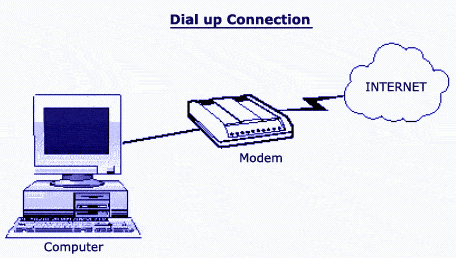
Dial-Up Line
Explore the history and significance of Dial-Up Lines, once the cornerstone of internet connectivity. This article delves into their use, limitations, and the modern alternatives that replaced them.
-
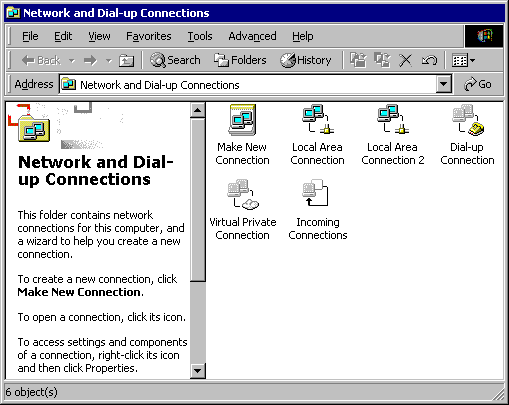
Network and Dial-up Connections
Dive into the world of Network and Dial-up Connections, the vintage Microsoft utility, and compare its functionalities with today’s modern connectivity solutions.
-
Decoding DAWS: The Ambitious Wireless Network Vision of ETSI
Explore the evolution of DAWS, a revolutionary ETSI-proposed multimegabit radio network. Uncover its impact and current status in wireless tech.
-
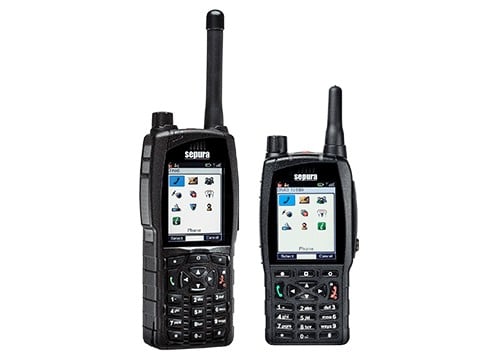
Terrestrial Trunked Radio (Tetra)
Terrestrial Trunked Radio, also known as TETRA, is an initiative from the European Telecommunications Standards Institute (ETSI) for a single standard for digital mobile radio services. Terrestrial Trunked Radio (Tetra) is defined in a memorandum of understanding between a number of different equipment vendors, service providers, testing bodies, and regulatory agencies that was laid out…
-
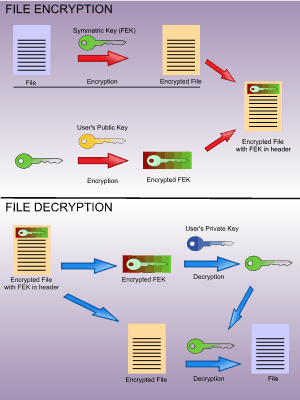
Encrypting File System (EFS)
Encrypting File System, also known as EFS, is a Microsoft Windows 2000 core technology for storing encrypted NTFS files on disk; designed to protect data on NTFS volumes from local access by unauthorized users.
-
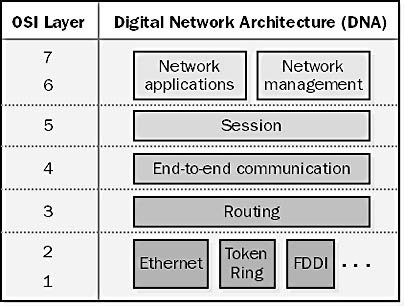
DECnet
Explore DECnet’s role in shaping network architectures, its diverse applications, and enduring influence on modern networking.
-

Data Access Objects (DAO)
Data Access Objects (DAO) play a pivotal role in the architecture of software applications, providing an abstraction layer over database access.
-
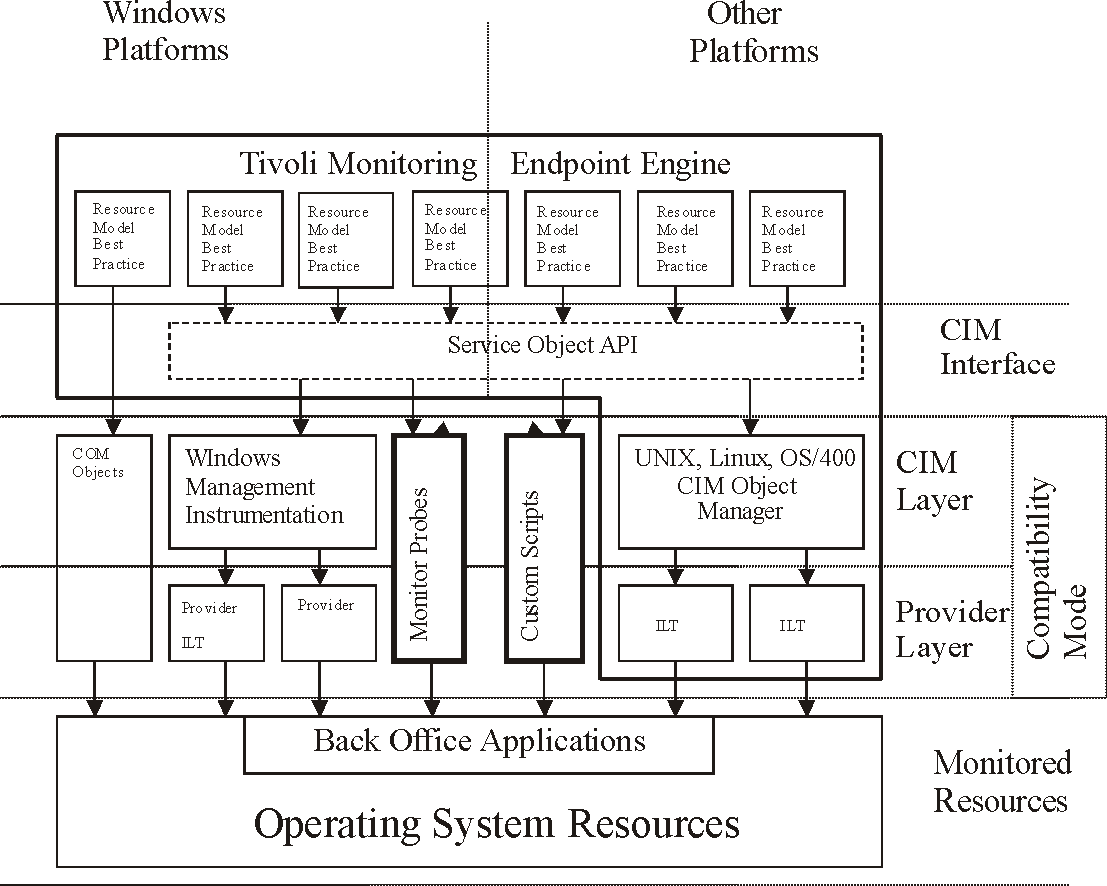
Common Information Model (CIM)
CIM, or Common Information Model, is an emerging standard from the Distributed Management Task Force (DMTF), formerly named the Desktop Management Task Force for an extensible, object-oriented schema for managing the information collected from computers, networking devices, protocols, and applications.
-

Systems Management Server Database Manager
Short Message Service, best known as SMS, is a service for sending short text messages using the Global System for Mobile Communications (GSM) cellular telephone system. Short Message Service (SMS) can send short messages of up to 160 alphanumeric characters.