
The Editorial Team is a collective of technology enthusiasts, computer network engineers, and industry professionals dedicated to creating meticulously curated content for a diverse readership. With a combined experience spanning several decades, our team distills complex technology topics into clear, informative articles. Whether it’s networking fundamentals, cutting-edge AI insights, or in-depth guides on blockchain technology, the Editorial Team strives to provide reliable information that advances the understanding of technology for everyone from students to seasoned professionals.

Editorial Team’s mission
The Editorial Team’s mission extends beyond mere reporting; we aim to be the architects of understanding, constructing bridges over the rivers of jargon and complexity. From the foundational bricks of networking to the ever-evolving skies of cloud computing, we guide you through the technological labyrinth.
We take pride in our meticulous attention to detail and our unwavering commitment to accuracy, ensuring that each piece of information is a thread in the vast tapestry of technological knowledge. As we chart the course through the evolving landscape of technology, we invite our readers to join us on this exhilarating journey of discovery and growth. Together, we not only explore the current terrain of technology but also anticipate the horizons of tomorrow’s innovations.
Our Latest Articles
-
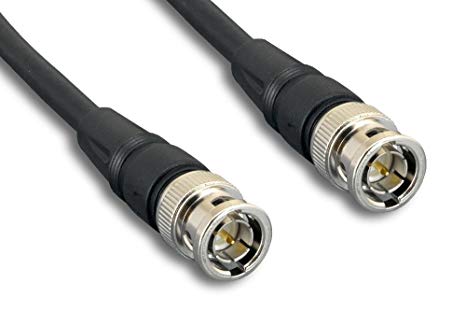
Thinnet
Definition of thinnet in The Network Encyclopedia. What is Thinnet? Thinnet is the thin coaxial cabling used for 10Base2 installations of Ethernet networking. Thinnet cabling is RG-58 coaxial cabling that is 3/16 inch in diameter and has an impedance of 50 ohms. Thinnet uses BNC connectors to connect cable segments, computers, and concentrators (hubs). Many…
-
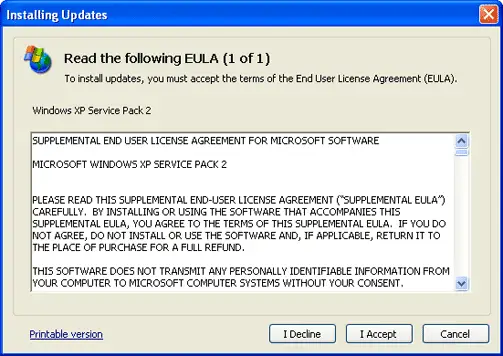
End-User License Agreement (EULA)
End-User License Agreement, also known as EULA, is a type of contract between a computer software publisher and the purchaser of the software that outlines the various rights granted to the purchaser for the legal use of the software.
-
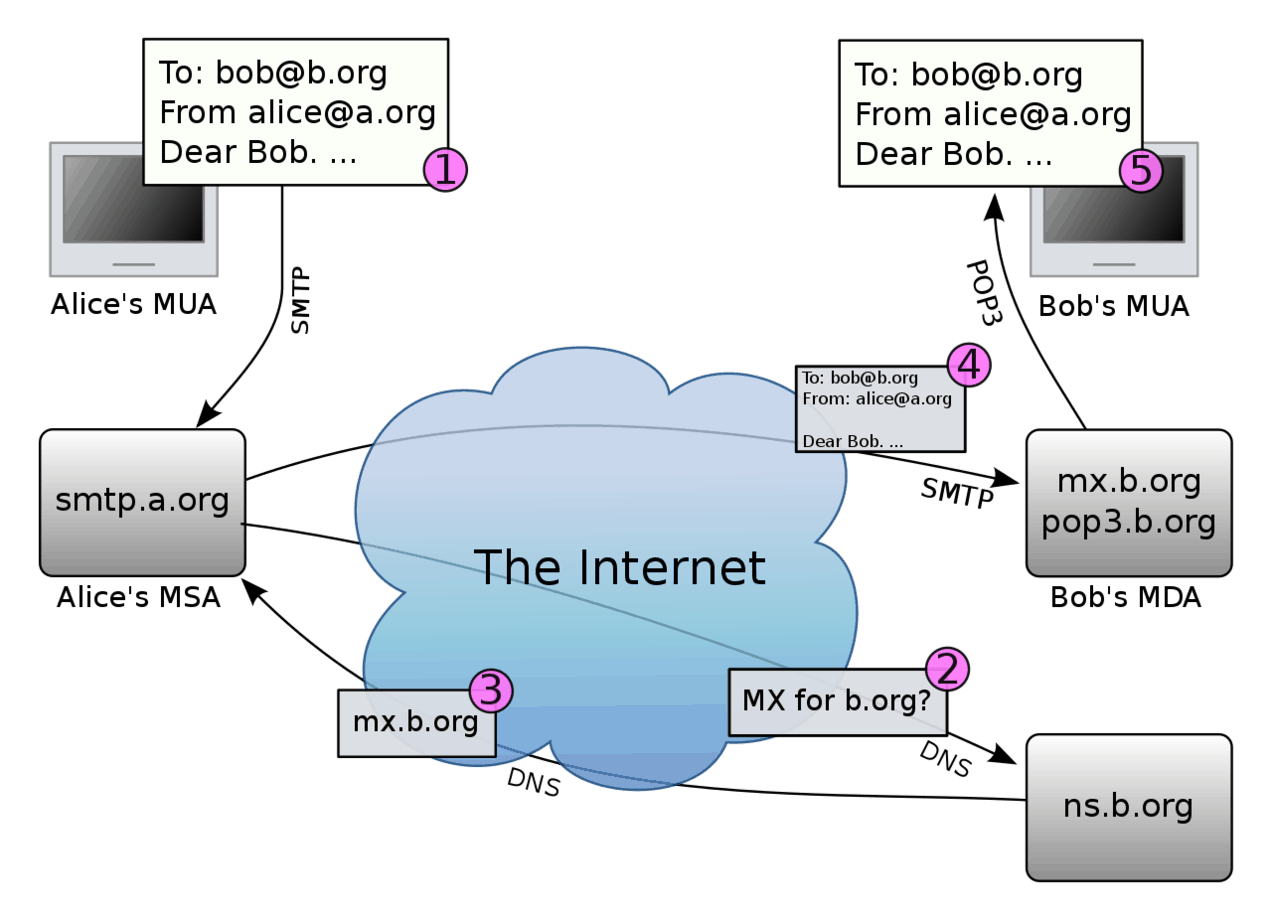
Electronic mail (Email)
Email stands for electronic mail is any system for sending and receiving messages over a network. The email originated in the early 1970s with ARPANET and is now the primary method of business communication today.
-
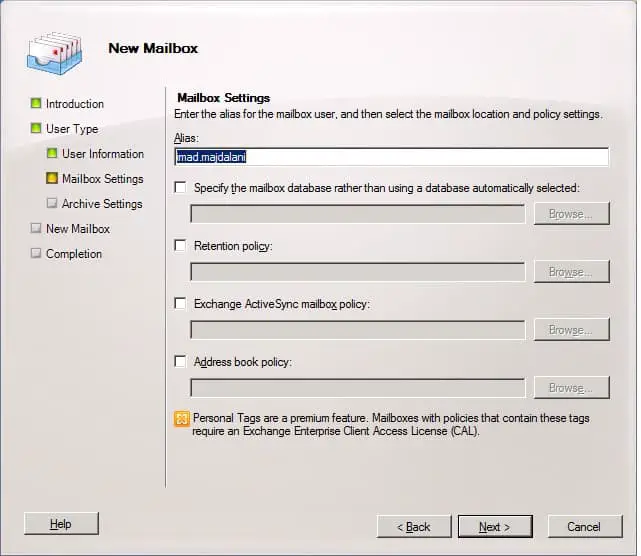
Mailbox (email)
A mailbox (electronic mailbox) is the storage location of email messages found either on a remote server or downloaded to the user’s computer. Software email programs commonly divide the mailbox into separate folders: inbox, outbox, sent items, and deleted items.
-
Message Transfer Agent (MTA)
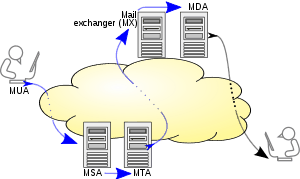
Message Transfer Agent, also known as MTA, is one of the four core components of Microsoft Exchange Server. The Message Transfer Agent (MTA) routes messages between servers, sites, and foreign mail systems.
-
Distinguished Name
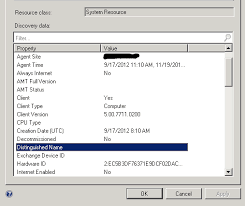
Distinguished Name is the native address format for recipients in Microsoft Exchange Server. Distinguished Name is also, one of the addressing formats for objects within Active Directory in Microsoft Windows Server. Distinguished names are part of the X.500 directory specifications and are used for locating and accessing objects using the Lightweight Directory Access Protocol (LDAP).
-

Incremental Backup: Streamlining Your Data Protection Strategy
Master the art of Incremental Backups. From core concepts to a detailed step-by-step guide on Windows Server, this is your ultimate guide.
-
Differential Backup
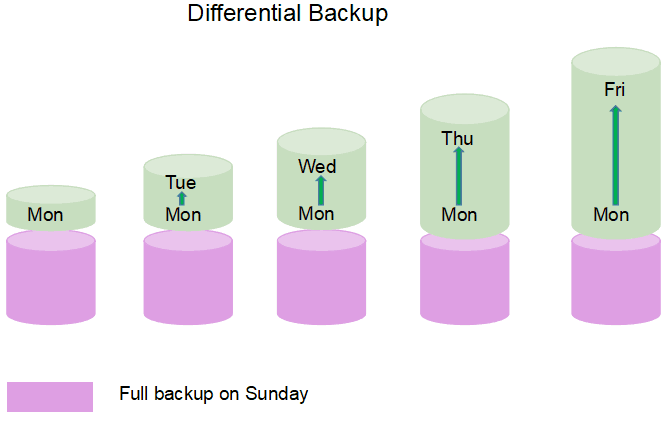
Differential Backup is a backup type in which only files and folders that have changed since the last normal backup are backed up. Unlike an incremental backup, a differential backup does not clear the archive attribute for each file and folder.
-

The Modern Role of Tape Backup in Data Storage
Tape Backup is a general term for a class of devices for backing up data to a magnetic tape for disaster recovery planning and archiving purposes. A number of technologies with incompatible tape formats have been implemented in these devices.
-

Backup
In this article, we will delve deeply into what Backup is, discuss the various backup strategies available, examine the different types of backup, and analyze how backup operations affect the archive attribute of files. The goal is to provide a comprehensive overview of best practices for protecting business data and ensuring operational continuity in any…
-

Normal Backup: The Foundation of Data Protection Strategies
A Normal Backup is a backup type in which all the selected files and folders are backed up. Also known as full backup, this is the most secure way of backing up files and folders to tape.
-

Service-Level Agreement (SLA)
SLA stands for Service-Level Agreement, which is a contractual agreement between a customer and a service provider that outlines what services will be provided and defines the acceptable range of performance and availability of those services.