
The Editorial Team is a collective of technology enthusiasts, computer network engineers, and industry professionals dedicated to creating meticulously curated content for a diverse readership. With a combined experience spanning several decades, our team distills complex technology topics into clear, informative articles. Whether it’s networking fundamentals, cutting-edge AI insights, or in-depth guides on blockchain technology, the Editorial Team strives to provide reliable information that advances the understanding of technology for everyone from students to seasoned professionals.

Editorial Team’s mission
The Editorial Team’s mission extends beyond mere reporting; we aim to be the architects of understanding, constructing bridges over the rivers of jargon and complexity. From the foundational bricks of networking to the ever-evolving skies of cloud computing, we guide you through the technological labyrinth.
We take pride in our meticulous attention to detail and our unwavering commitment to accuracy, ensuring that each piece of information is a thread in the vast tapestry of technological knowledge. As we chart the course through the evolving landscape of technology, we invite our readers to join us on this exhilarating journey of discovery and growth. Together, we not only explore the current terrain of technology but also anticipate the horizons of tomorrow’s innovations.
Our Latest Articles
-
UNIX
UNIX is an operating system developed at AT&T Bell Laboratories in 1969 and widely deployed today in the enterprise networking environment.
-

Interexchange Carrier (IXC)
Interexchange Carrier, also known as IXC, is a telco that mainly provides long-distance communication services.
-
Regional Bell Operating Company (RBOC)
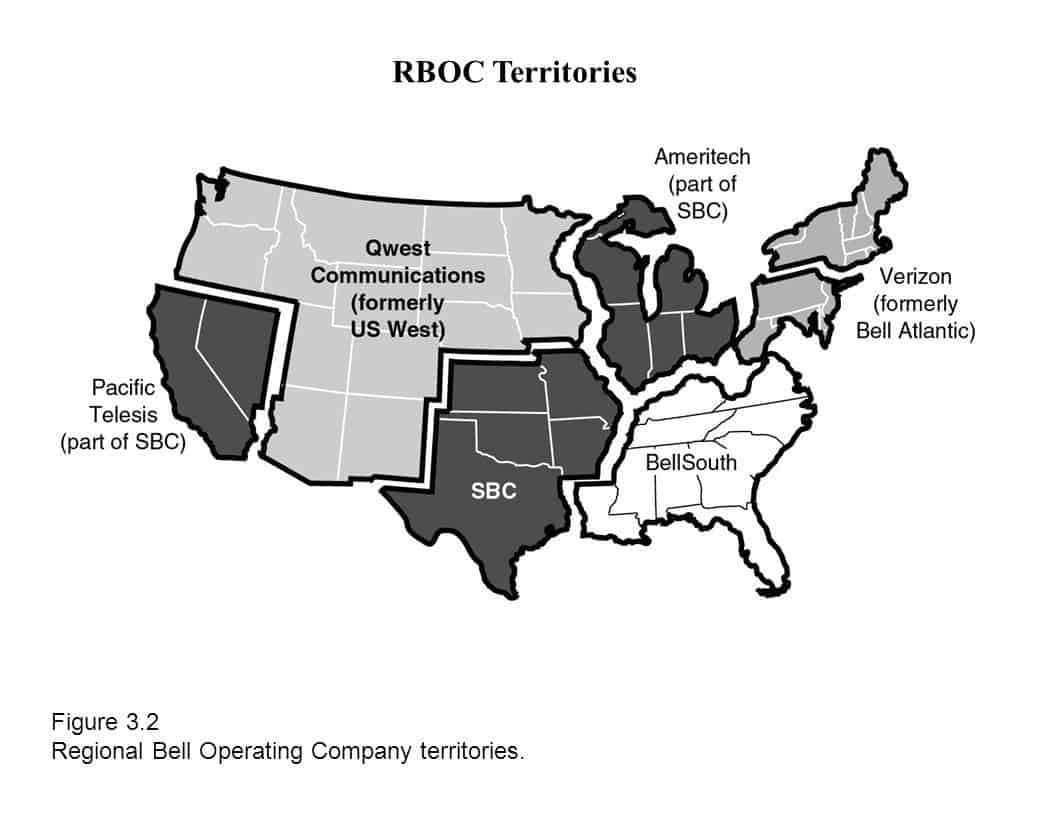
The Regional Bell Operating Company, also known as RBOC, is one of the regional telcos that was created as a result of the breakup of American Telephone and Telegraph (AT&T), or one of their successors.
-

Network Operating System (NOS)
Dive into the world of Network Operating Systems: the keystone of modern networking. Discover their roles, functionalities, and impact on network management.
-

Metropolitan Area Network (MAN): Infrastructure, Applications, and Security Insights
Explore the cutting-edge trends shaping Metropolitan Area Networks (MANs) and dive into compelling case studies showcasing their transformative impact across cities, campuses, and corporations. Discover how innovations like 5G, IoT, and smart city initiatives promise to enhance the efficiency, capacity, and security of MANs, paving the way for a more connected and innovative future.
-
Microsoft Management Console (MMC)
Microsoft Management Console, also known as MMC, is a tool first included with Microsoft Windows NT Option Pack that provides an integrated management framework for all administrative tools.
-
Distributed file system (Dfs)
Dfs or Distributed file system was a separately available add-on for the Microsoft Windows NT operating system and a component of the Windows 2000 operating system.
-
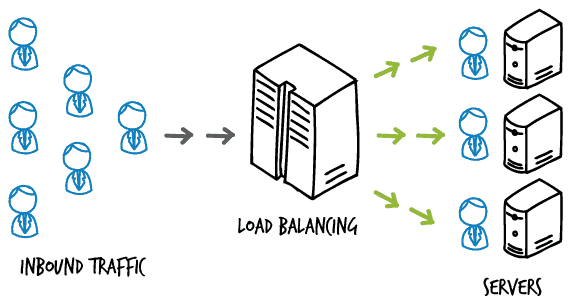
Load Balancing
Discover what load balancing in computer networking is and why it’s essential for high-traffic websites. Learn about algorithms, benefits, and best practices.
-
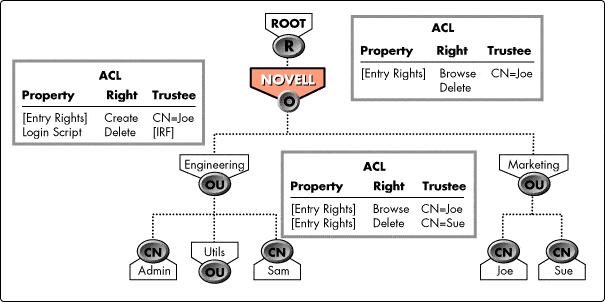
Novell Directory Services (NDS): A Legacy in Network Management
Novell Directory Services, also known as NDS, is a distributed network directory service for managing network resources such as users, servers, and peripherals that is loosely modeled after the X.500 specification.
-

Client for Microsoft Networks: Its Legacy in Windows Networking
Discover the legacy of the Client for Microsoft Networks in Windows history, exploring its evolution, impact, and transition to modern networking.
-
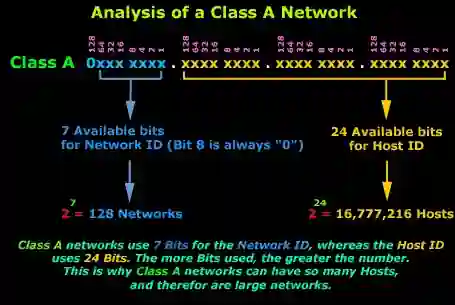
Network ID
Embark on a journey to demystify the essence of the ‘Network ID’—the unsung hero anchoring devices in the vast digital ocean of computer networking.
-

Top-Level Domain: Everything You Need to Know
This article unveils the mysteries of Top-Level Domains, from their definition to their pivotal role in establishing online identities and services. Have you ever wondered how a simple ‘.com’ or ‘.org’ can influence your website’s reach and credibility?