
The Editorial Team is a collective of technology enthusiasts, computer network engineers, and industry professionals dedicated to creating meticulously curated content for a diverse readership. With a combined experience spanning several decades, our team distills complex technology topics into clear, informative articles. Whether it’s networking fundamentals, cutting-edge AI insights, or in-depth guides on blockchain technology, the Editorial Team strives to provide reliable information that advances the understanding of technology for everyone from students to seasoned professionals.

Editorial Team’s mission
The Editorial Team’s mission extends beyond mere reporting; we aim to be the architects of understanding, constructing bridges over the rivers of jargon and complexity. From the foundational bricks of networking to the ever-evolving skies of cloud computing, we guide you through the technological labyrinth.
We take pride in our meticulous attention to detail and our unwavering commitment to accuracy, ensuring that each piece of information is a thread in the vast tapestry of technological knowledge. As we chart the course through the evolving landscape of technology, we invite our readers to join us on this exhilarating journey of discovery and growth. Together, we not only explore the current terrain of technology but also anticipate the horizons of tomorrow’s innovations.
Our Latest Articles
-
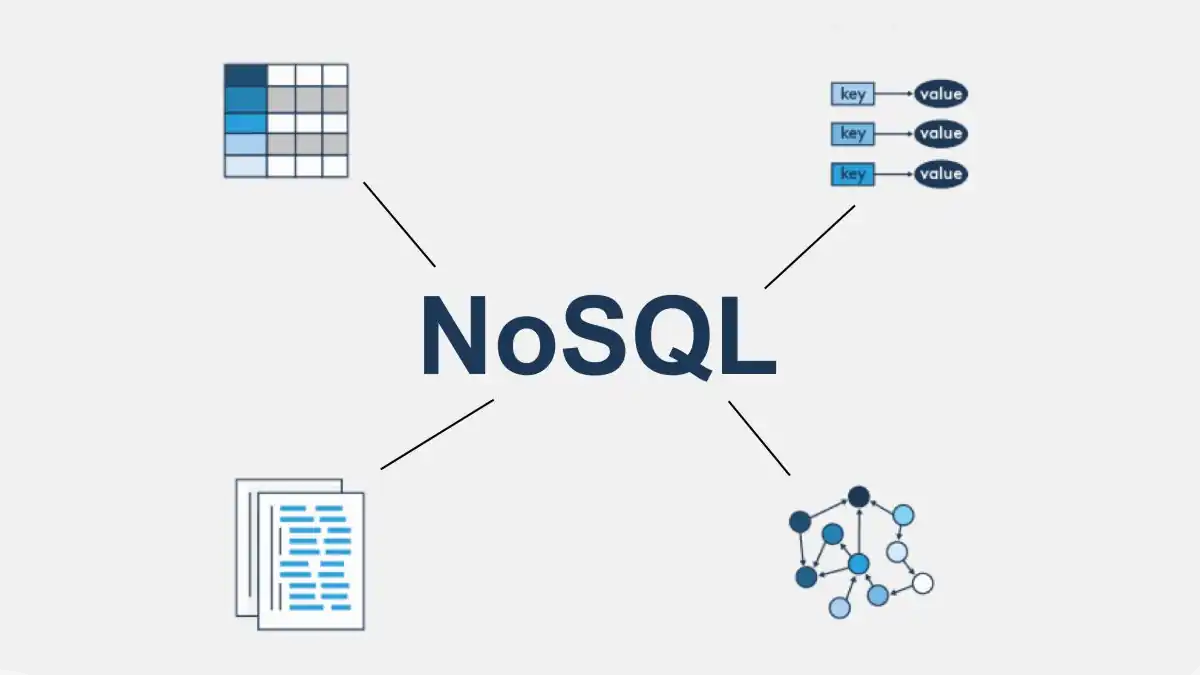
NoSQL Database Concepts
In this comprehensive guide, we’re going to dive into the essential concepts of NoSQL databases, including key-value stores, document stores, column-family stores, and graph databases.
-
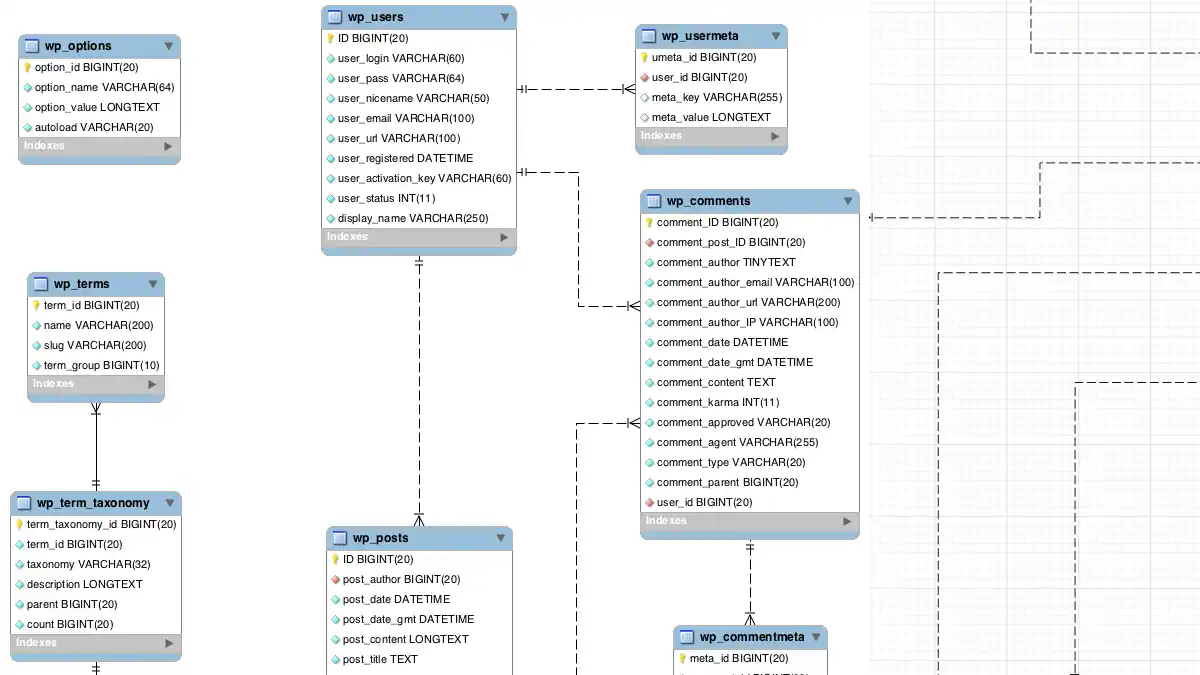
Relational Database: A Comprehensive Guide
A relational database is a structured repository of data organized into tables, each consisting of rows and columns. Fasten your seatbelts and get ready to delve into the world of data architecture like never before!
-
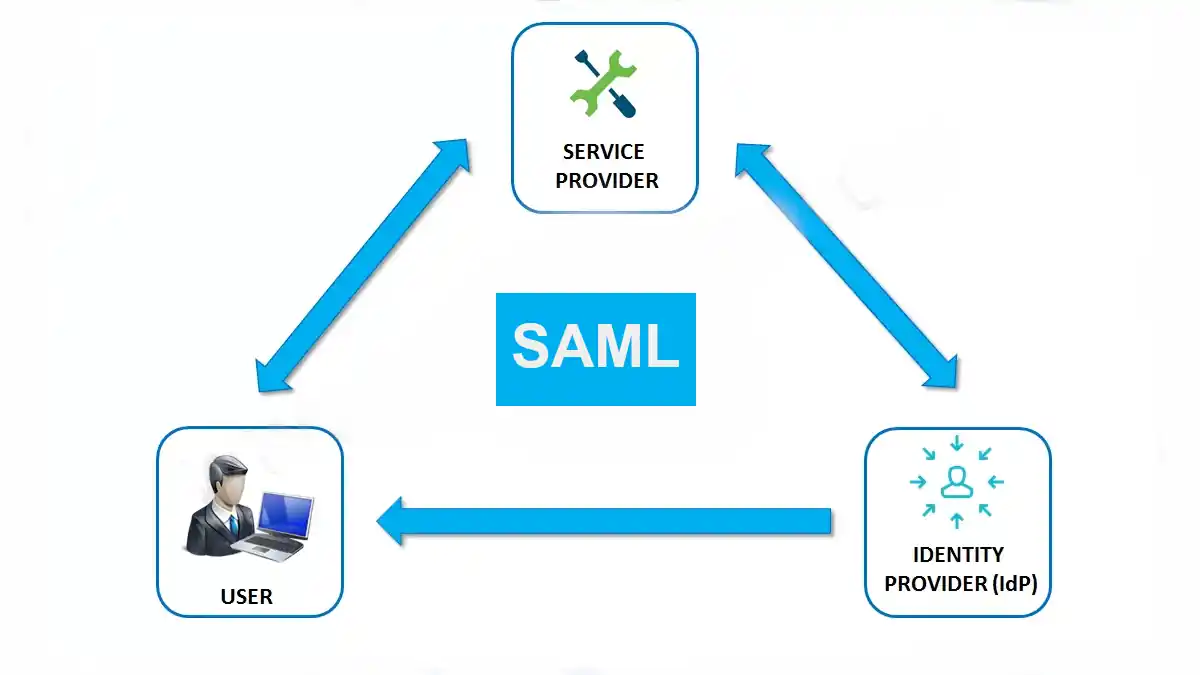
Security Assertion Markup Language (SAML)
It’s time to talk about Security Assertion Markup Language (SAML). Welcome to the exciting realm of network security and access management!
-

Understanding Critical Applications
Do you know what a critical application is? Some applications are more important than others, and these are known as critical applications.
-
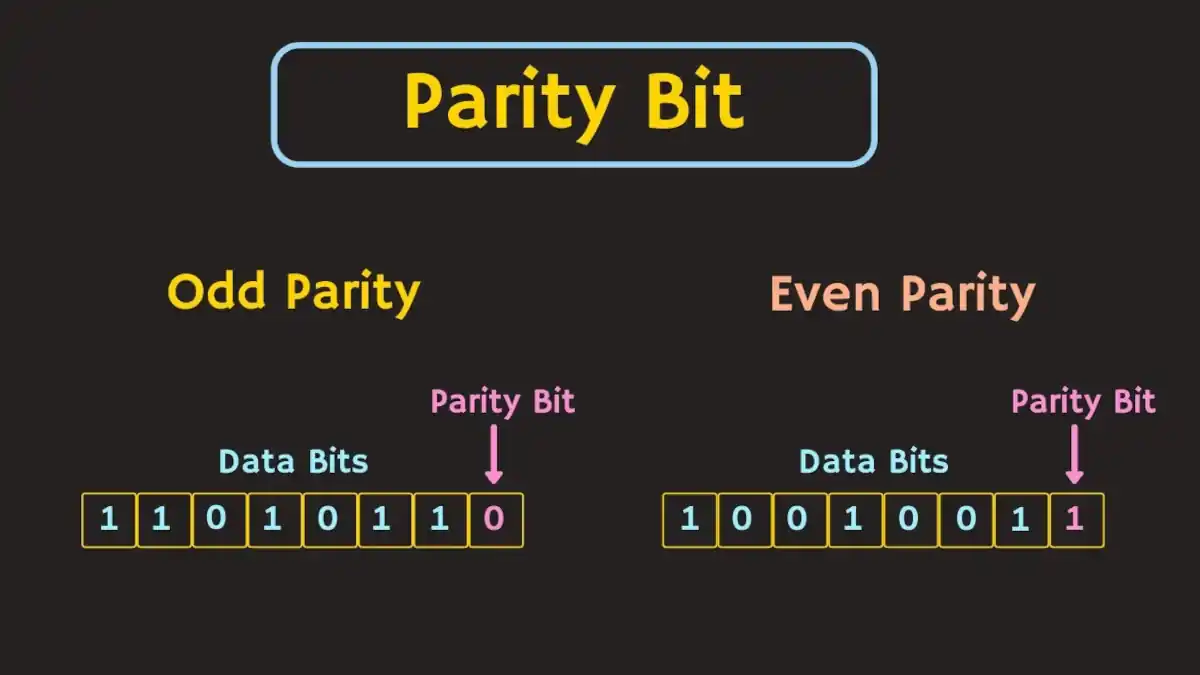
Parity Bit
A parity bit is a simple form of error-detecting code that is added to a block of data for error-detection purposes.
-

Unleashing Nostalgia: The ZX Spectrum
Welcome to the extraordinary story of the ZX Spectrum, a revolutionary machine that defined an era and captured the hearts of countless enthusiasts.
-
Internet-Standard Management Framework
The Internet-Standard Management Framework refers to a set of protocols, standards, and guidelines used for managing and monitoring network devices, systems, and services within an Internet environment.
-
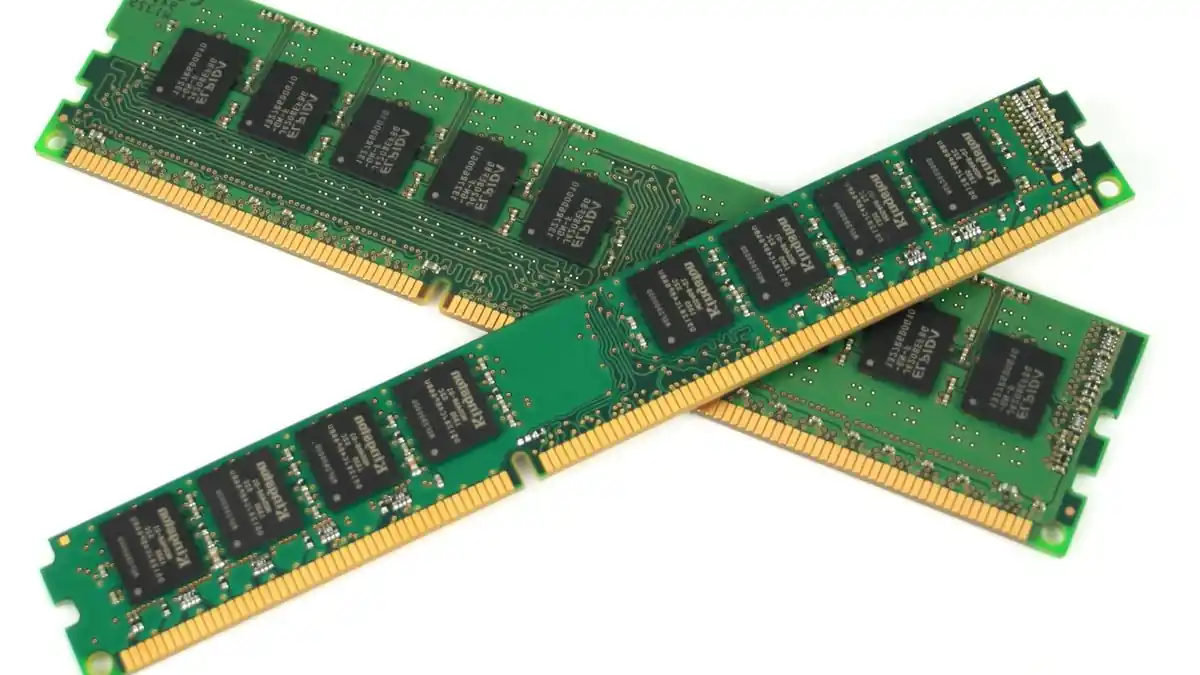
ECC RAM
ECC RAM stands for Error-Correcting Code RAM. It’s a specialized form of computer memory that integrates sophisticated error detection and correction functionalities.
-
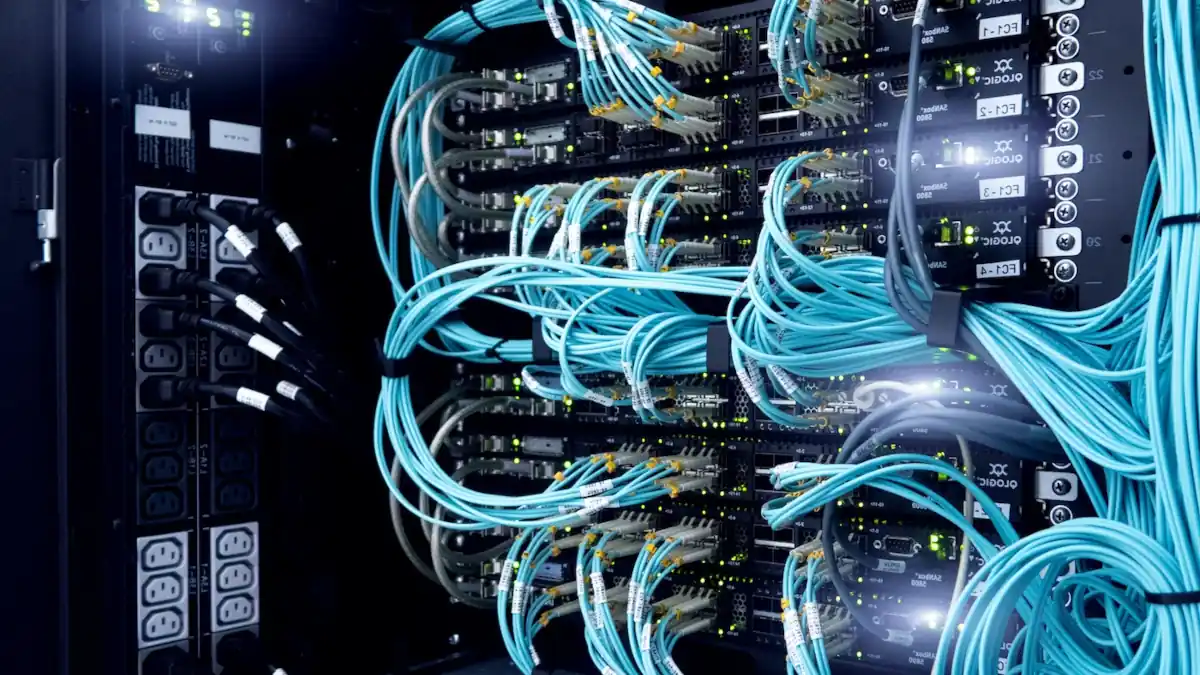
Fibre Channel
Fibre Channel is a high-speed, reliable, and scalable networking technology designed specifically for storage area networks (SANs) and other data-intensive environments
-

Demystifying Storage Area Network (SAN)
In this blog post, we will embark on a journey to unravel the mysteries of SANs, exploring their fundamental concepts, benefits, and real-world applications.
-

DDR RAM
DDR RAM, short for Double Data Rate Random Access Memory, is a type of computer memory that offers improved data transfer rates compared to its predecessors.
-

The Evolution of Wi-Fi Technology and its Impact on Modern Networks
In the dawn of the digital age, a revolutionary technology emerged, altering the very fabric of human communication and connectivity – the Wireless Fidelity,