
The Editorial Team is a collective of technology enthusiasts, computer network engineers, and industry professionals dedicated to creating meticulously curated content for a diverse readership. With a combined experience spanning several decades, our team distills complex technology topics into clear, informative articles. Whether it’s networking fundamentals, cutting-edge AI insights, or in-depth guides on blockchain technology, the Editorial Team strives to provide reliable information that advances the understanding of technology for everyone from students to seasoned professionals.

Editorial Team’s mission
The Editorial Team’s mission extends beyond mere reporting; we aim to be the architects of understanding, constructing bridges over the rivers of jargon and complexity. From the foundational bricks of networking to the ever-evolving skies of cloud computing, we guide you through the technological labyrinth.
We take pride in our meticulous attention to detail and our unwavering commitment to accuracy, ensuring that each piece of information is a thread in the vast tapestry of technological knowledge. As we chart the course through the evolving landscape of technology, we invite our readers to join us on this exhilarating journey of discovery and growth. Together, we not only explore the current terrain of technology but also anticipate the horizons of tomorrow’s innovations.
Our Latest Articles
-

Wired vs. Wireless Networks: Which is Right for Your Business?
In the digital age, the network infrastructure a business chooses serves as its backbone, crucial for operational efficiency and scalability. As companies evolve and adapt to the ever-changing landscape of technology, the dilemma between opting for wired or wireless networks becomes increasingly significant.
-
Software-Defined Networking (SDN): The Future of Networking?
Software-Defined Networking (SDN) is a network architecture approach that decouples the control plane from the data plane, enabling centralized control of the entire network through software.
-

Difference between port 80 and port 443
Port 80 and port 443 are both used for transmitting HTTP and HTTPS traffic, respectively, but they operate at different layers of the networking stack and use different protocols.
-
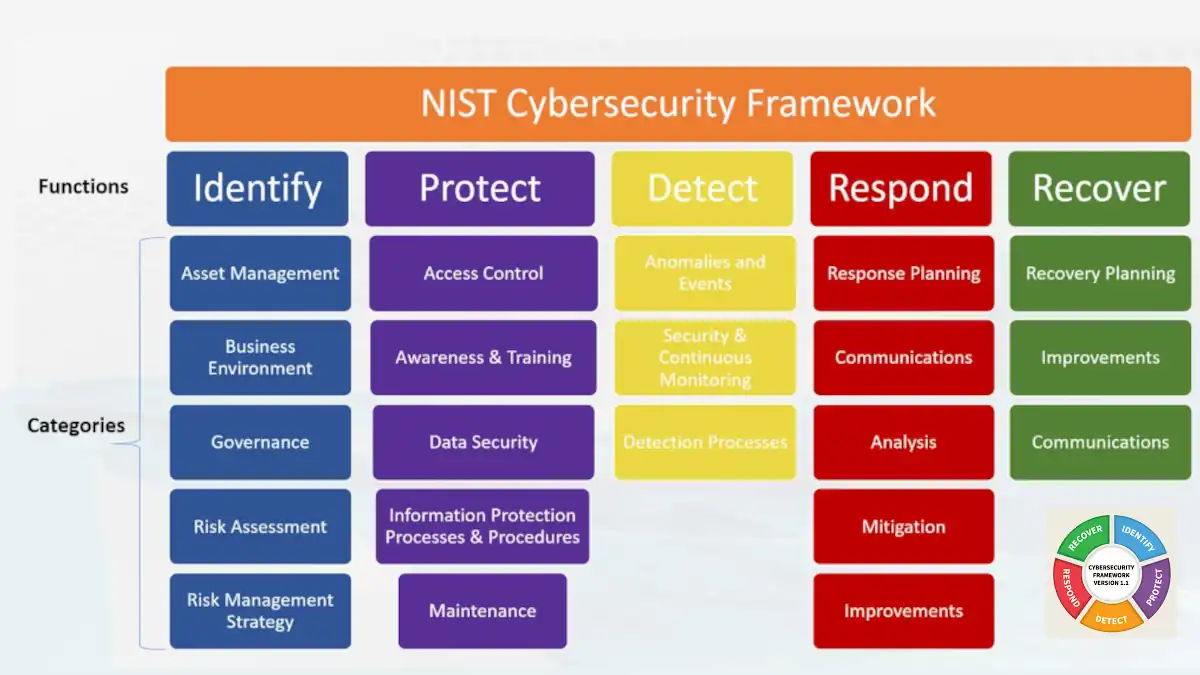
National Institute of Standards and Technology (NIST) Cybersecurity Framework (CSF)
The National Institute of Standards and Technology (NIST) Cybersecurity Framework (CSF) is a set of guidelines and best practices for managing cybersecurity risks in an organization.
-

Starting to Understand Quantum Computing in a Simple Way
Quantum computing is a type of computing that uses the principles of quantum mechanics to perform calculations and solve problems.
-
Difference Between a Public IP Address and a Private IP Address
The main difference between a Public IP Address and a Private IP Address is that public IP addresses are used to identify and locate devices on the internet, while private IP addresses are used to identify and locate devices on a private network.
-
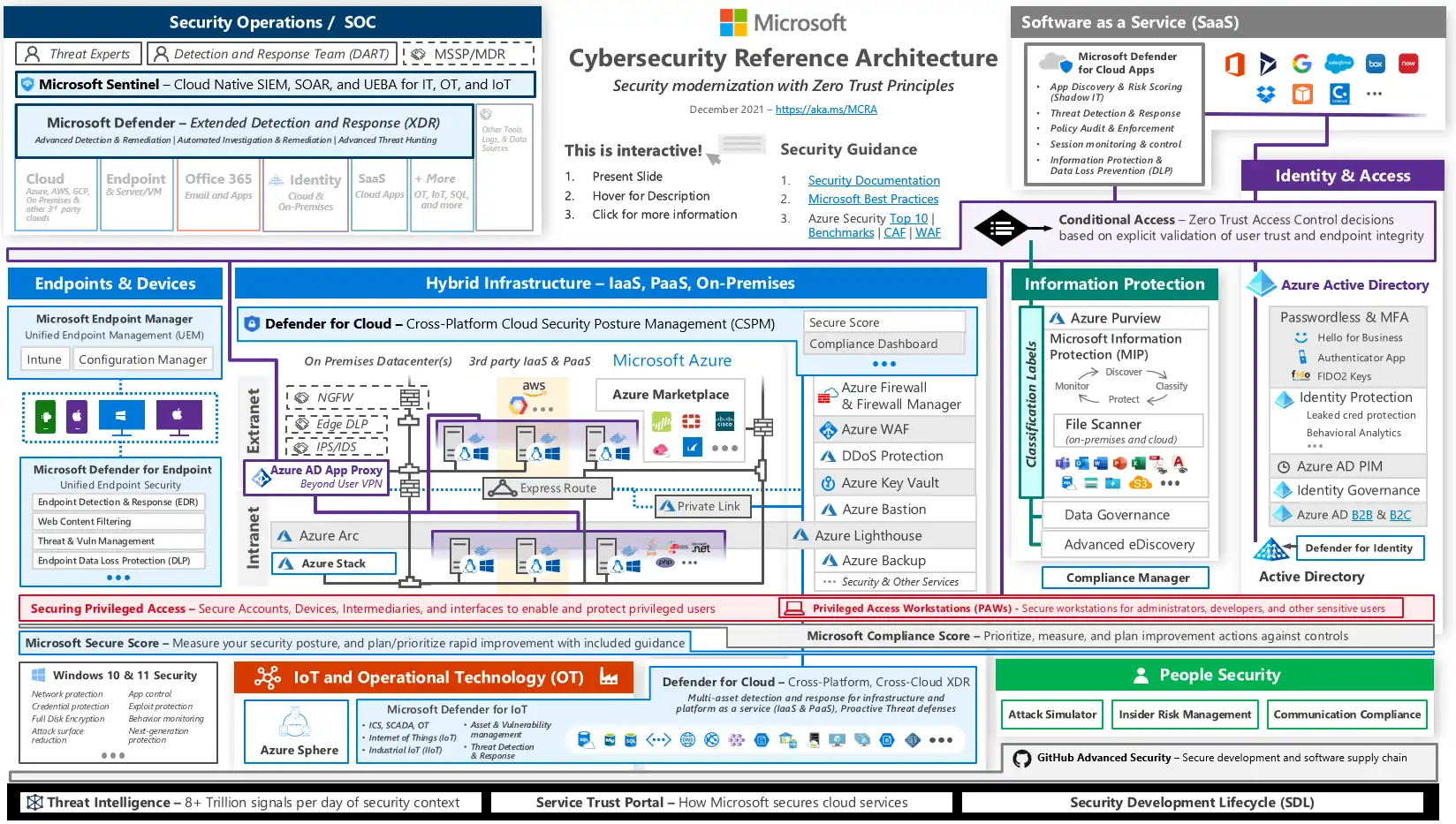
Microsoft Cybersecurity Reference Architectures (MCRA)
Microsoft Cybersecurity Reference Architectures (MCRA) is a set of documents and resources provided by Microsoft that outline recommended approaches for designing and implementing secure systems and networks.
-

Edge Traversal
Edge Traversal refers to the ability of a packet to pass from one network to another network at the edge or boundary of the first network.
-

Difference between UTP cable CAT5 and CAT6
The main difference between CAT5 and CAT6 UTP cables is the speed at which they can transmit data, 100Mbps and 1Gbps.
-
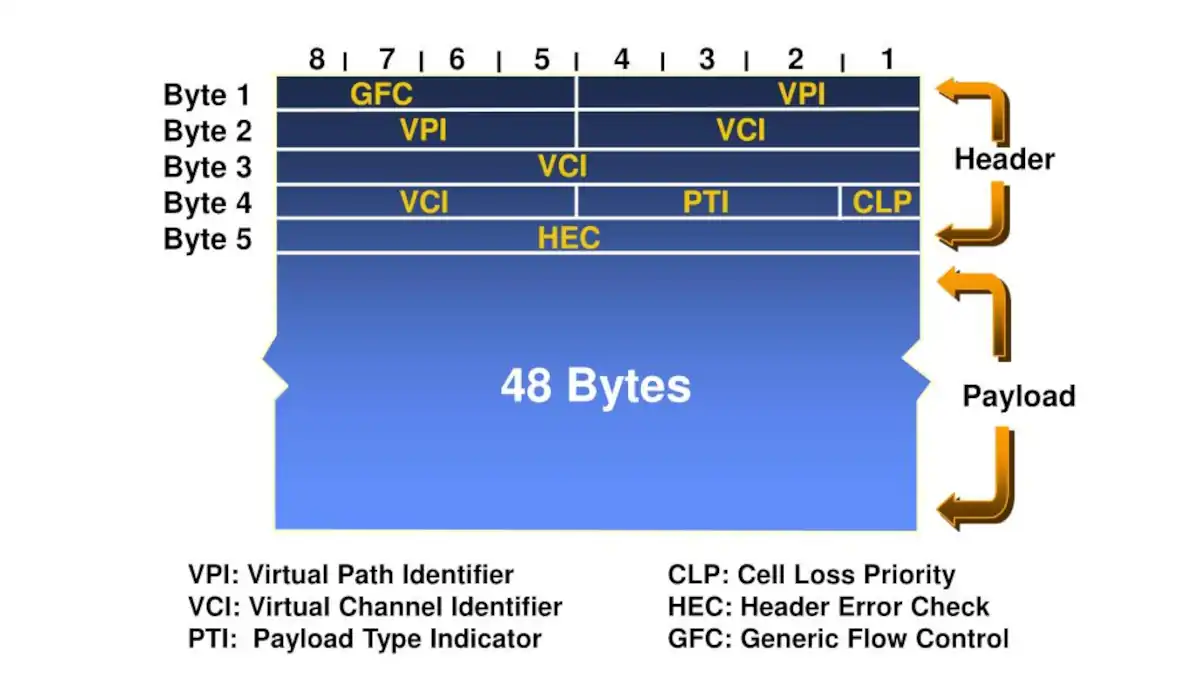
What is the Payload Type Indicator (PTI) in computer networking?
Payload Type Indicator (PTI) is a field in a data packet that indicates the type of data being transmitted.
-
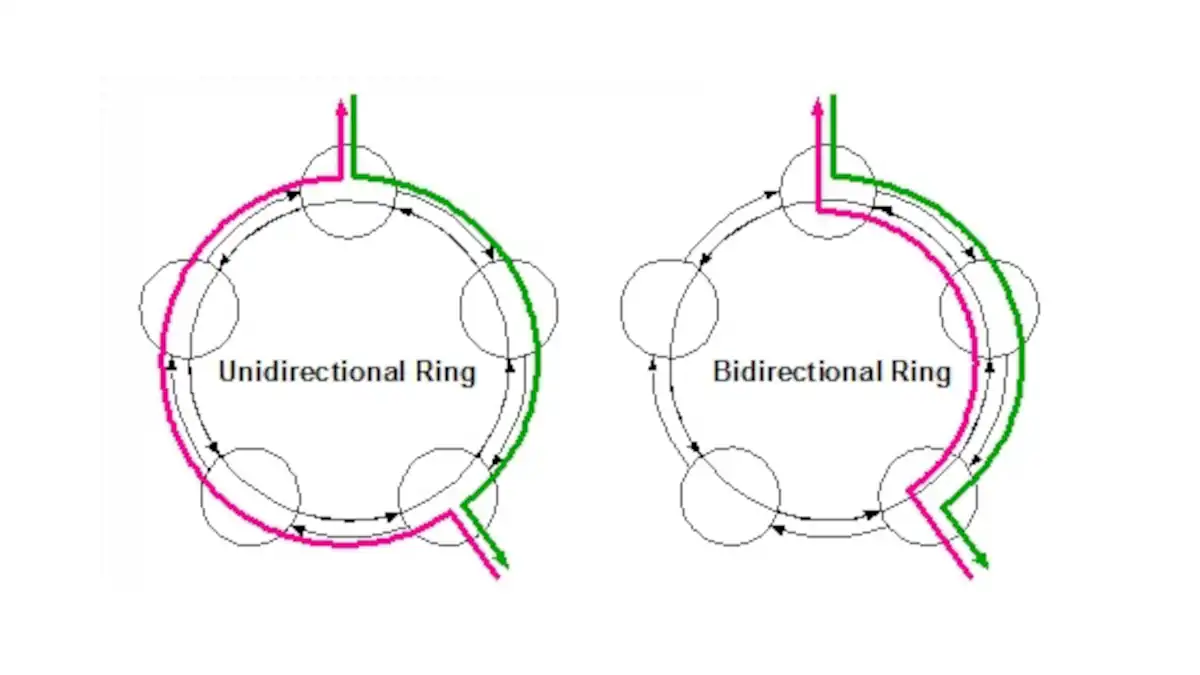
Bidirectional Path Switched Ring (BPSR)
A bidirectional path switched ring (BPSR) is a type of network architecture that uses a ring topology to transmit data between nodes.
-

Internet of Things (IoT)
Internet of Things (IoT) refers to the interconnected network of physical objects that are equipped with network connectivity.