
Our Latest Articles
-
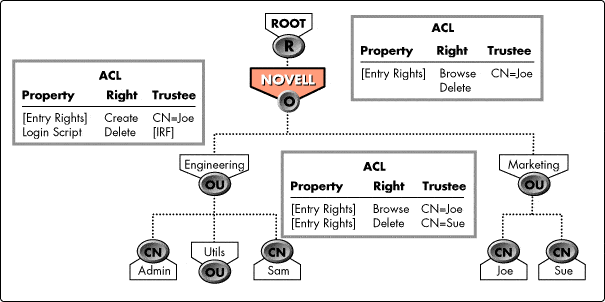
Novell Directory Services (NDS): A Legacy in Network Management
Novell Directory Services, also known as NDS, is a distributed network directory service for managing network resources such as users, servers, and peripherals that is loosely modeled after the X.500 specification.
-
Client for Microsoft Networks: Its Legacy in Windows Networking
Discover the legacy of the Client for Microsoft Networks in Windows history, exploring its evolution, impact, and transition to modern networking.
-
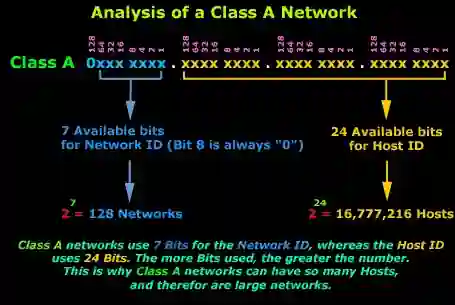
Network ID
Embark on a journey to demystify the essence of the ‘Network ID’—the unsung hero anchoring devices in the vast digital ocean of computer networking.
-

Top-Level Domain: Everything You Need to Know
This article unveils the mysteries of Top-Level Domains, from their definition to their pivotal role in establishing online identities and services. Have you ever wondered how a simple ‘.com’ or ‘.org’ can influence your website’s reach and credibility?
-
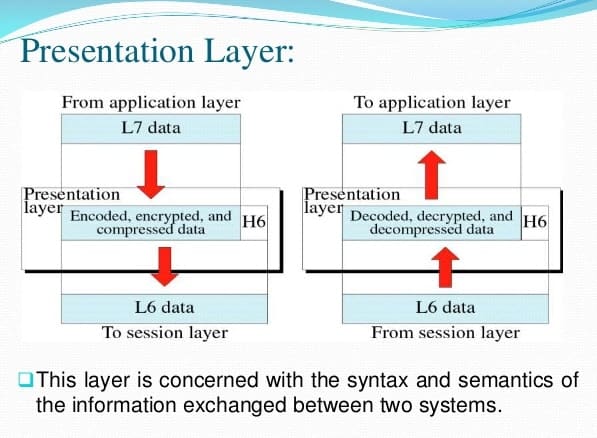
Presentation Layer
Presentation Layer is the Layer 6 of the seven-layer Open Systems Interconnection (OSI) reference model.
-
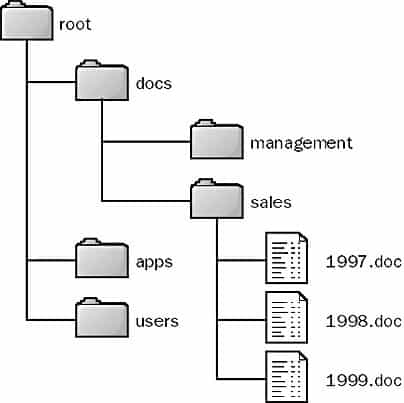
File System
File System is any technology for organizing, storing, and locating data on a system or network.
-
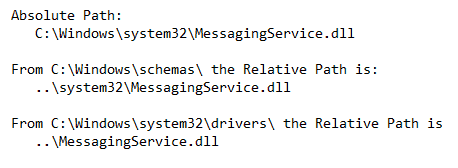
Relative Path
Relative Path is the hierarchical path that locates a file or folder on a file system starting from the current directory.
-
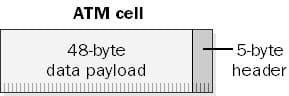
Cell in ATM
Cell in ATM is a 53-byte packet of data, the standard packet size used by Asynchronous Transfer Mode (ATM) communication technologies.
-
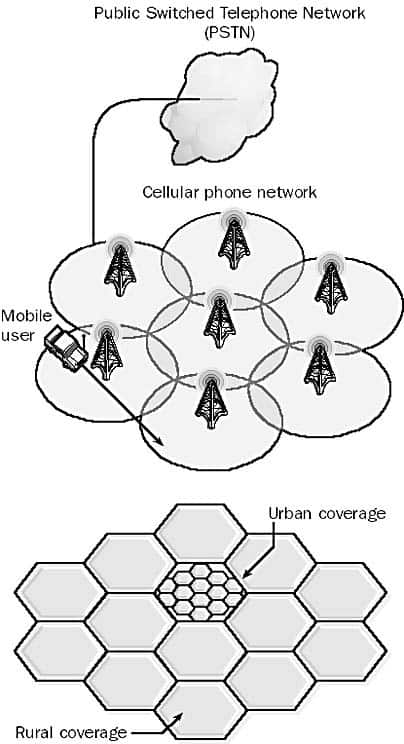
Cellular Phone Technology
Cellular Phone Technology is a general term for a series of different technologies that enable cell-based wireless communication.
-
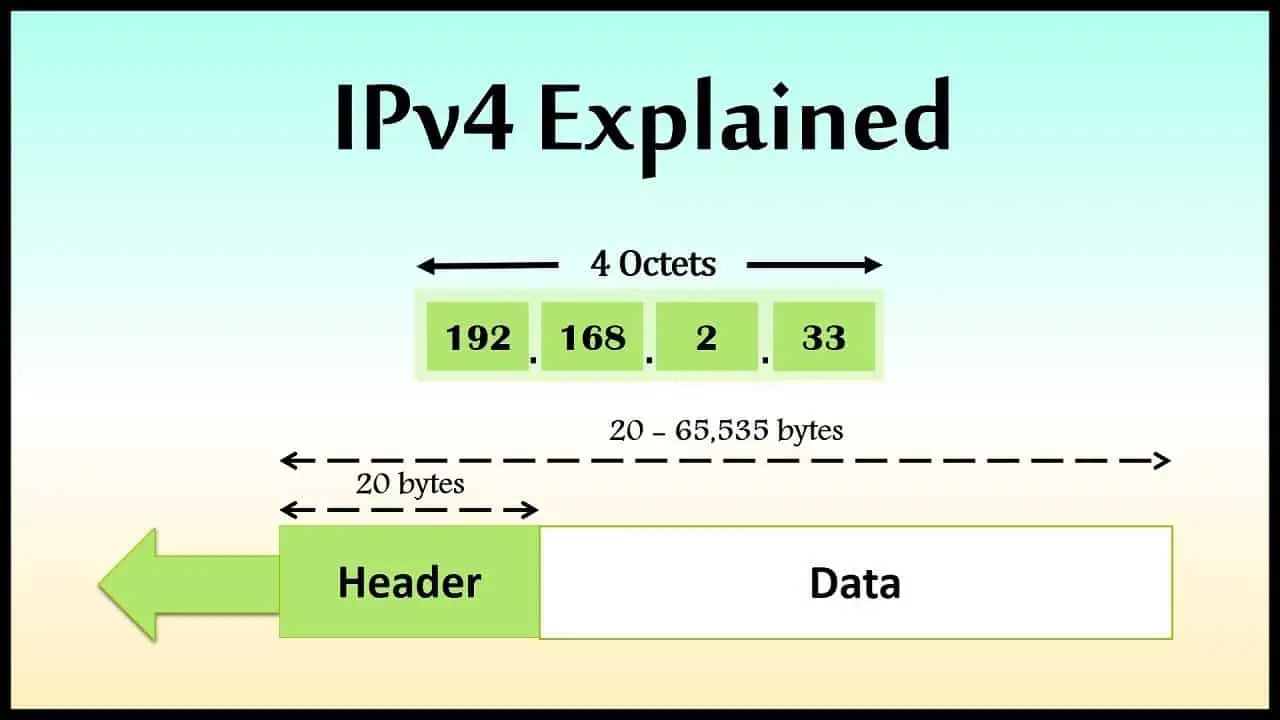
IPv4
Master the world of IPv4 with this comprehensive guide. Explore its history, structure, working mechanisms, and more. Your one-stop resource on IPv4.
-
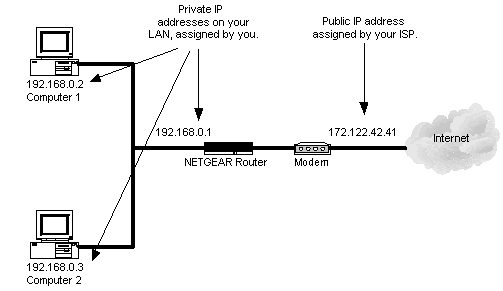
Network Address Translation (NAT)
NAT stands for Network Address Translation is a form of packet filtering used in firewall products that protect a network from outside intrusion by hackers.
-
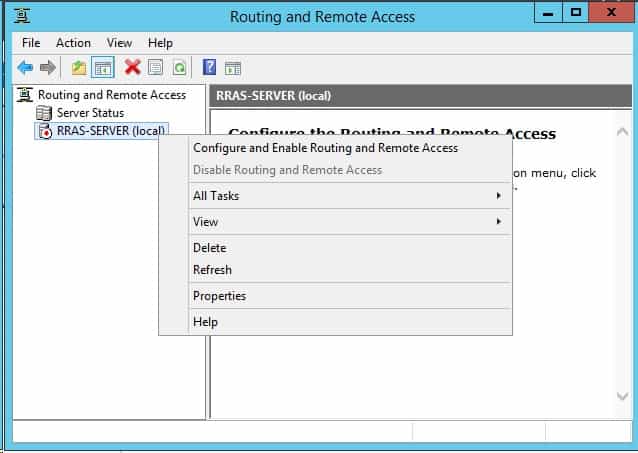
Routing and Remote Access Service (RRAS)
RRAS stands for Routing and Remote Access Service is a feature of Windows Server operating systems family that provides additional support for TCP/IP internetworking.