
Our Latest Articles
-
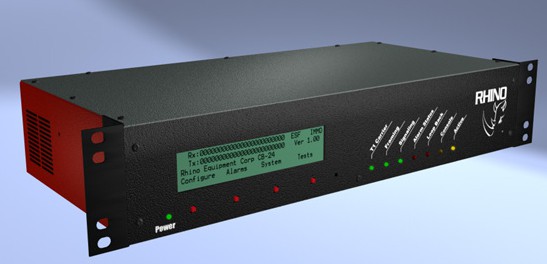
T1 Channel Bank
T1 Channel Bank is a type of customer premises equipment (CPE) that is used to terminate a T1 line and distribute its services across the organization.
-
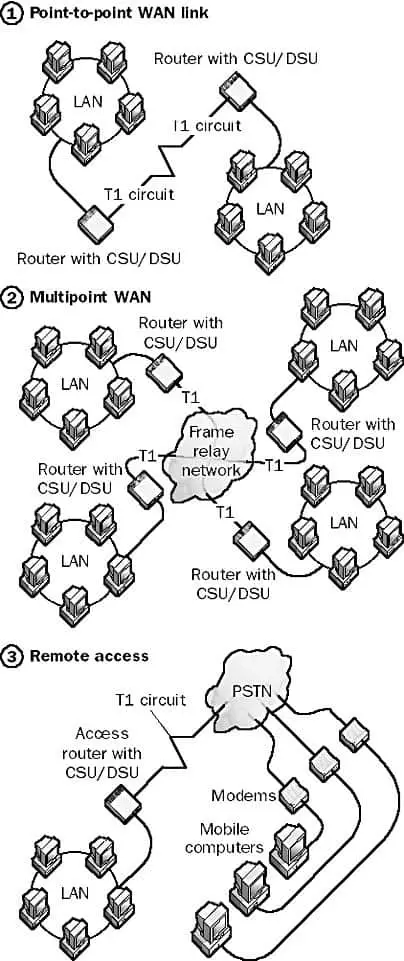
T-carrier
T-carrier is a series of digital communication services provided by telcos for high-speed permanent voice and data connections that was first developed by Bell in the 1960s. Read the full article.
-
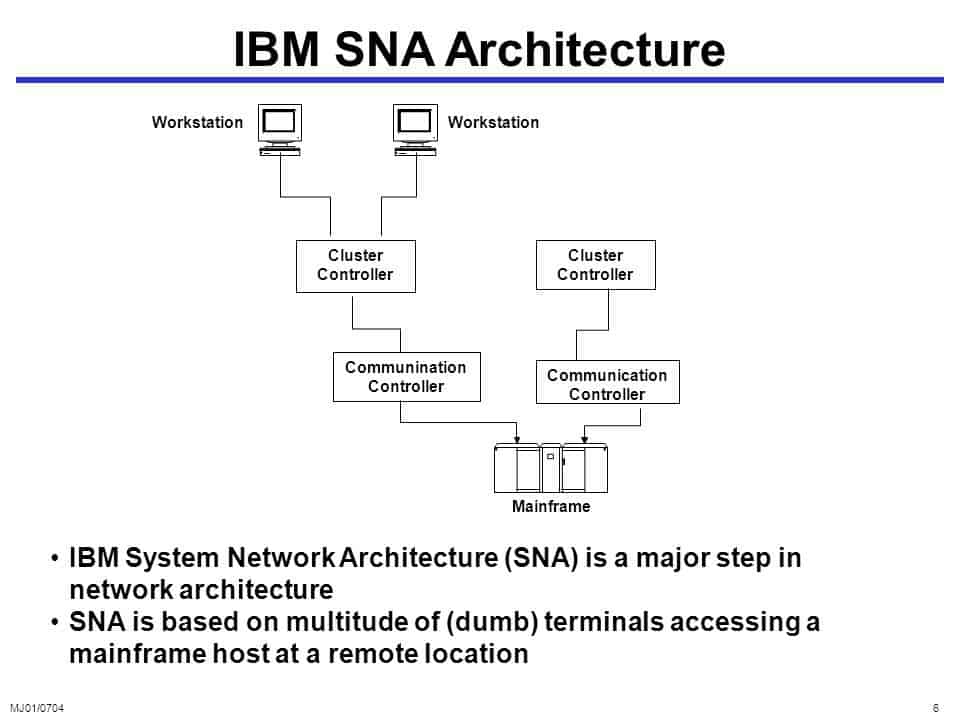
Systems Network Architecture (SNA)
SNA stands for Systems Network Architecture, is a set of IBM mainframe networking standards and protocols introduced in 1974.
-

System Access Control List (SACL)
Uncover the essentials of System Access Control Lists (SACLs) in Windows OS: their evolution, purpose, and impact on security auditing.
-
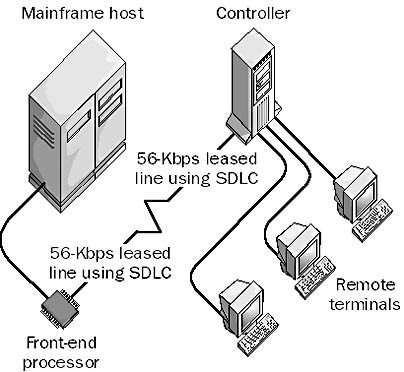
Synchronous Data Link Control (SDLC)
SDLC stands for Synchronous Data Link Control, is a data-link layer protocol developed in the 1970s by IBM for its Systems Network Architecture (SNA) networking environment.
-

Statistical Multiplexing
Statistical Multiplexing is a multiplexing technique that allows information from a number of channels to be combined for transmission over a single channel.
-

Star Topology
Explore the intricacies of Star Topology in networking. This article delves into its history, functionality, and variations like the Extended Star, offering a comprehensive guide for tech enthusiasts and professionals.
-

Bus Topology: A Comprehensive Exploration
BUS is a networking topology that connects networking components along a single cable or that uses a series of cable segments that are connected linearly.
-
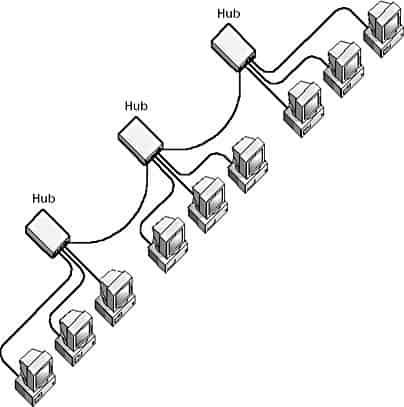
Star Bus Topology
Dive into the hybrid world of Star Bus Topology—a blend of star and bus topologies in networking. Discover its structure, cable options, performance tips, and modern relevance.
-

Signal Loss: A Guide to Causes and Mitigation
Signal Loss is the loss of strength of a signal as it propagates over a medium.
-
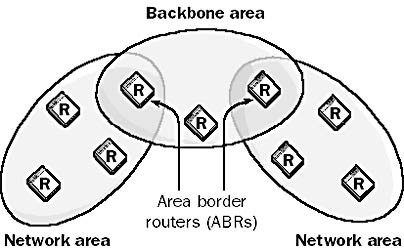
Open Shortest Path First (OSPF) Protocol
OSPF stands for Open Shortest Path First, is a link state routing protocol that is used to exchange routing information between dynamic routers.
-

Unraveling the Shortest Path First: The SPF Algorithm
Also called the Dijkstra algorithm, SPF is a routing algorithm in which a router computes the shortest path between each pair of nodes in the network.