
Category: Letter U
-

UEFI: Unified Extensible Firmware Interface
In this article, we’ll explain what UEFI (Unified Extensible Firmware Interface) is, how it’s revolutionizing our computers, and why it’s become an indispensable part of modern computing.
-
UDF File System: 7 Surprising Aspects You Need to Know
Explore the intricacies of UDF Files in our comprehensive guide. Understand the key aspects of Universal Disk Format for optimal data storage. Essential reading for tech enthusiasts!
-
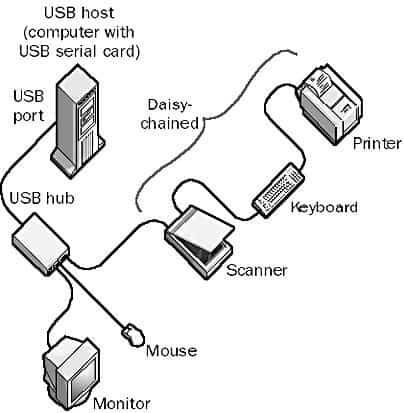
Universal Serial Bus (USB)
Discover what Universal Serial Bus (USB) is and how it’s revolutionized device connectivity. From USB types to its role in data transfer, we cover it all!
-

URL switching
In today’s digital era, where the traffic of information surges like never before, the efficient management of web content is not just an advantage; it’s a necessity. Enter URL Switching—a technology that has cemented its relevance in the labyrinthine world of HTTP-based web services. Operating at Layer 7 of the OSI model, it allows for…
-
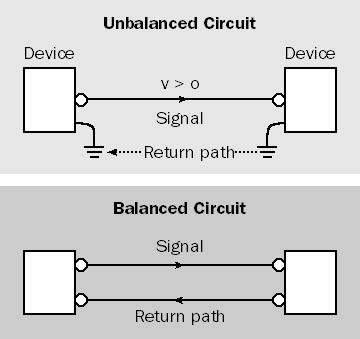
Unbalanced Lines: Understanding Their Role in Electrical Systems
Explore the fundamentals of unbalanced lines, their applications, and how they differ from balanced lines in electrical systems.
-
User Mode
Explore the multi-faceted concept of User Mode in computing and networking. From restricted modes in Microsoft OS to advanced networking scenarios.
-
UDP Protocol: How the Internet Moves at Real-Time Speed
UDP (User Datagram Protocol) is a lightweight transport protocol designed for speed and efficiency. Learn how it works, when to use it, and why it powers real-time Internet applications.
-
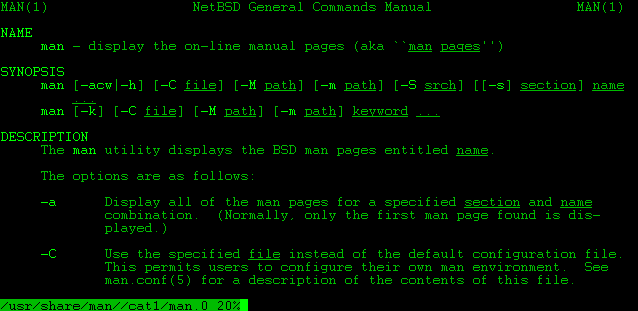
UNIX
UNIX is an operating system developed at AT&T Bell Laboratories in 1969 and widely deployed today in the enterprise networking environment.
-
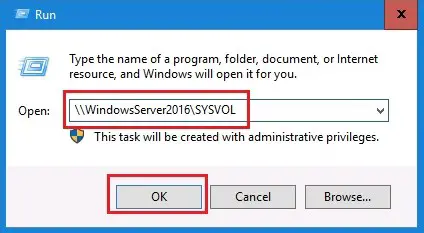
Universal Naming Convention (UNC)
UNC stands for Universal Naming Convention, is a convention for naming shared network resources.
-

Uninterruptible Power Supply (UPS)
Uninterruptible Power Supply, or UPS, is a device that can temporarily provide power to key components of a network if a general power failure happens.
-
Uniqueness Database File (UDF)
Uniqueness Database File, or UDF, is a text file that supplements an answer file during unattended installations of Microsoft software such as Windows NT and Windows 2000.
-
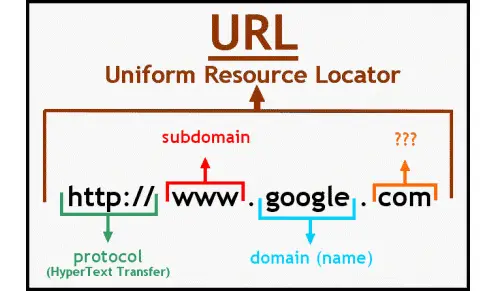
Uniform Resource Locator (URL)
Uniform Resource Locator, or URL, is an addressing scheme that enables browsers such as Microsoft Internet Explorer and software such as File Transfer Protocol (FTP) clients to access various resources on the Internet.