
Category: A to Z
-
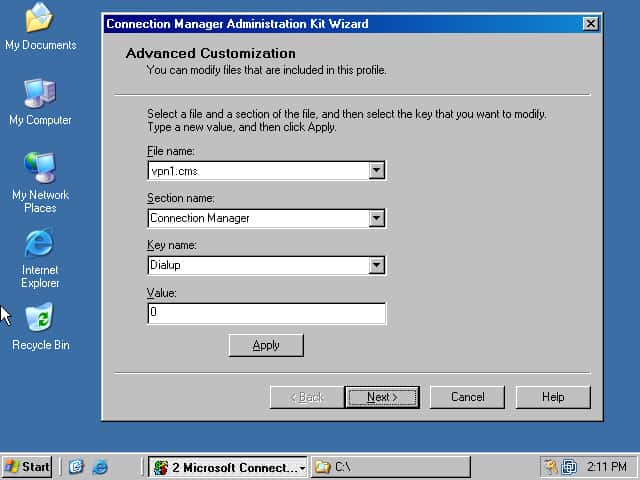
Microsoft Connection Manager (CM)
Explore the Microsoft Connection Manager: An essential tool for network connectivity in early Windows, simplifying internet and corporate access.
-

Classless Interdomain Routing (CIDR)
Classless Interdomain Routing, also known by CIDR, is a routing system used by routers and gateways on the backbone of the Internet for routing packets. Classless interdomain routing (CIDR) is a more efficient routing mechanism than the original method of segregating network IP addresses into classes named class A, class B, and class C.
-
Microsoft Official Curriculum (MOC)
In this article, we will delve into the details of Microsoft Official Curriculum, exploring its purpose, structure, and benefits it offers.
-
Certified Technical Education Center (CTEC)
Explore the historical role of Certified Technical Education Centers (CTECs) and what modern avenues have replaced them for Microsoft training and certifications.
-

CD file system (CDFS)
CD file system or CDFS is a file system designed for Microsoft Windows 95 that supports the reading of compact discs. A CD file system (CDFS) provides the same kind of file and directory management for CD-ROM devices that the file allocation table (FAT) or NTFS file systems do for hard disks.
-

Unfolding Microsoft Outlook: From Emails to Enterprise
Discover the evolution of Microsoft Outlook: A journey from basic email to a comprehensive personal information manager.
-

OS/2: Tracing the Legacy of IBM’s Pioneering Operating System
Explore the complete history of OS/2, from its inception with IBM and Microsoft to its lasting impact on modern operating systems.
-

Secure Sockets Layer (SSL)
Secure Sockets Layer, also known as SSL, is a handshaking protocol for communication over the Internet that provides secure authentication and data encryption. Secure Sockets Layer (SSL) was developed by Netscape Communications for the secure transmission of information over the Internet.
-

MAPI: Mastering the Messaging Application Programming Interface
In this comprehensive guide, we will unravel the complexities of MAPI, exploring its structure, functionality, and pivotal role in the world of electronic messaging. From basic concepts to advanced implementation, this article promises to equip you with an in-depth understanding of MAPI and its applications in real-world scenarios.
-

Microsoft Exchange Server
Definition of Microsoft Exchange Server in the Network Encyclopedia. What is Microsoft Exchange Server? Exchange Server is Microsoft’s client/server messaging system for Windows Server family. Exchange Server supports all key industry messaging standards, including the following: X.400 Internet standards (SMTP, POP3, IMAP4, LDAP, HTTP, NNTP, SSL, MIME, and S/MIME) Messaging Application Programming Interface (MAPI) Exchange…
-
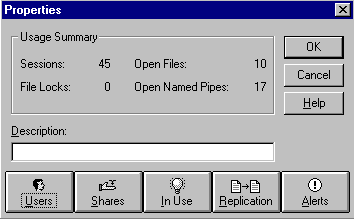
Directory Replication in Windows NT
Directory Replication (in Windows NT) is the replication of a tree of folders from one server to another using the Directory Replicator Service. You can use directory replication to create and manage identical directory structures on different Microsoft Windows NT servers and workstations.
-
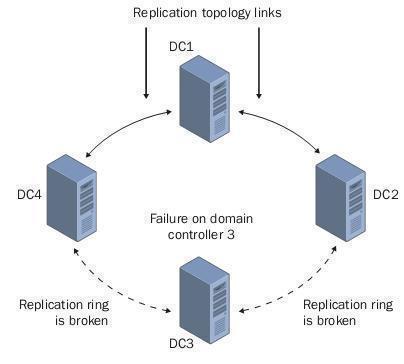
Directory Replication
Directory Replication is the process of replicating updates to Active Directory on different domain controllers in the network. Directory replication ensures that users have access to resources on the network by ensuring that information about users, groups, computers, file shares, printers, and other directory objects is current on all domain controllers in the network.