
Category: A to Z
-
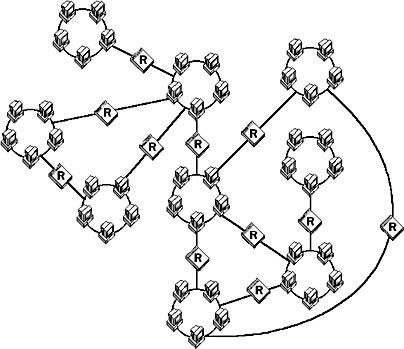
Mesh Topology
Mesh Topology is a network topology in which additional networking components are used to provided redundant data paths.
-
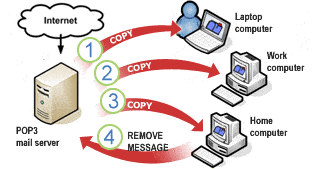
Post Office Protocol version 3 (POP3)
Explore the ultimate guide to POP3: Post Office Protocol version 3. Learn about its history, functionality, advantages, disadvantages, and more!
-
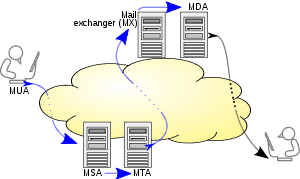
Simple Mail Transfer Protocol (SMTP)
Simple Mail Transfer Protocol is a standard application-layer protocol for delivery of e-mail over a TCP/IP internetwork such as the Internet.
-

Channel Service Unit (CSU) Unraveled
Channel Service Unit or CSU is a digital communication device that is used to connect a digital line to a digital device.
-
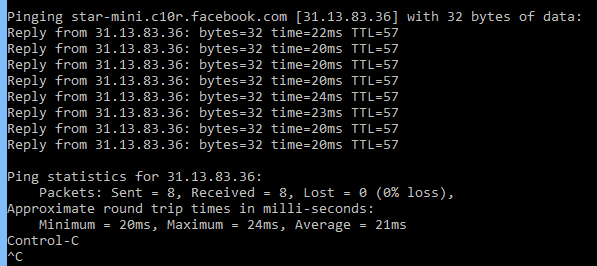
ping
Unlock the secrets of the Ping command—a must-know tool for network diagnostics. Learn how it works, options, examples, security risks, and alternatives.
-
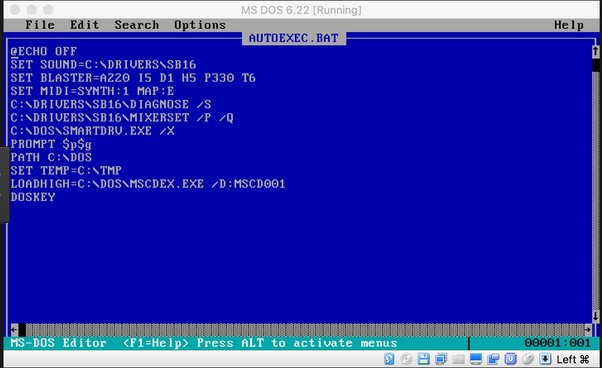
autoexec.bat
Autoexec.bat is a batch file used by the MS-DOS and Microsoft Windows 3.1 operating systems.
-
Config.sys
Config.sys is a text file used by MS-DOS and 16-bit versions of Microsoft Windows that is used to configure computer hardware at startup.
-

Internet Relay Chat (IRC)
Unlock the world of IRC: Internet Relay Chat. Discover its history, functionality, and why it’s still relevant today. Your complete guide to IRC.
-

Internet
The Internet is the global TCP/IP public internetwork that originated in the ARPANET project of the U.S. Department of Defense in the 1970s.
-
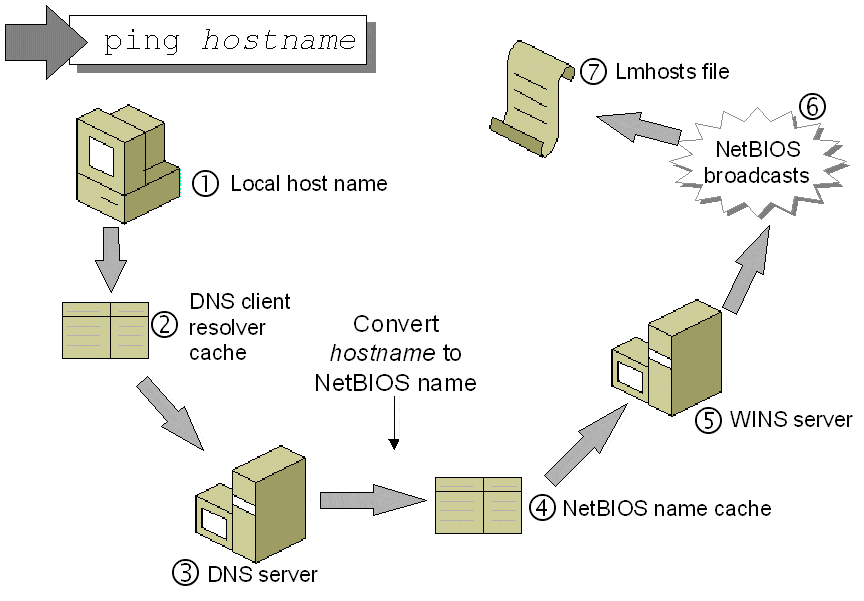
Name Resolution
Name Resolution is the process of resolving the name of a computer on a network into its network address.
-

Ethernet – the network architecture for LANs
Ethernet is the most popular network architecture for local area networks (LANs). Ethernet was originally developed by Xerox in the 1970s and was proposed as a standard by Xerox, Digital Equipment Corporation (DEC), and Intel in 1980.
-
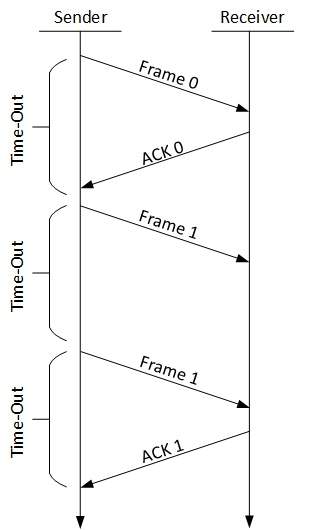
Data Link Control (DLC)
DLC, or Data Link Control, is generally, the services that the data-link layer of the OSI reference model provides to adjacent layers of the OSI protocol stack.