
Category: A to Z
-
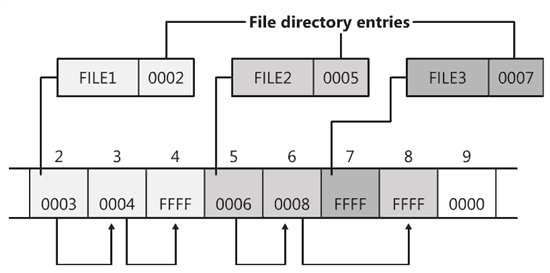
File Allocation Table (FAT)
FAT stands for File Allocation Table, is specifically, a table maintained on a hard disk by MS-DOS and Microsoft Windows operating systems that acts as a table of contents, showing where directories and files are stored on the disk.
-
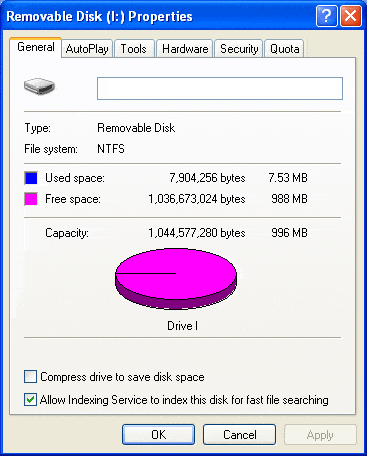
NTFS File System Architecture Unveiled
A deep dive into the NTFS File System, exploring its structure, functions, security features, and more. Unlock the intricate details of this essential Windows component.
-
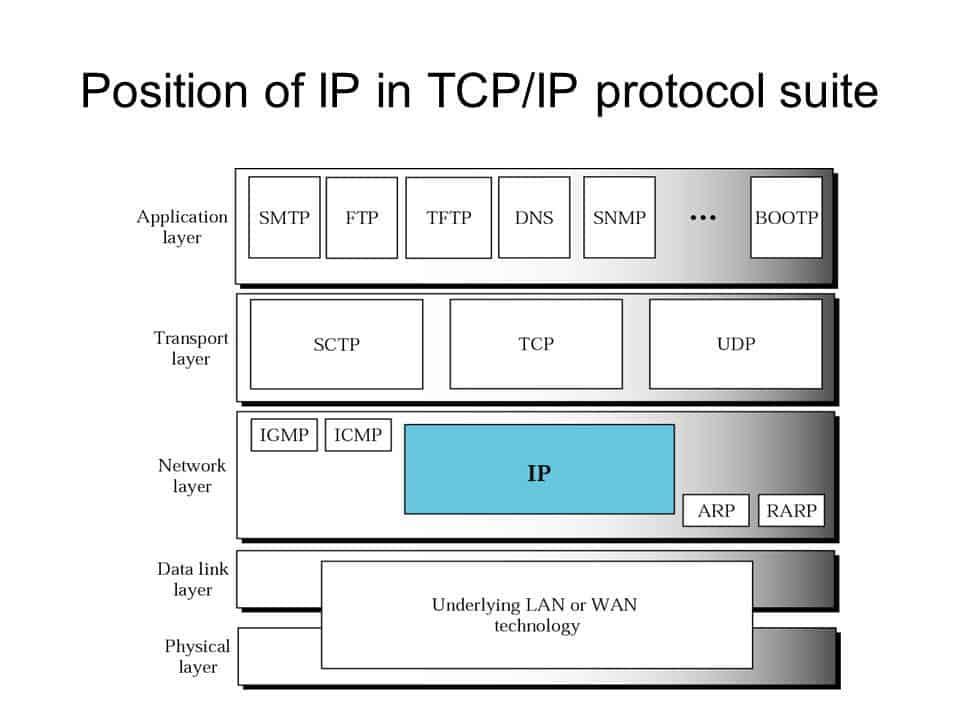
Internet Protocol (IP)
Internet Protocol, or just IP, is a TCP/IP network layer protocol for addressing and routing packets of data between hosts on a TCP/IP network.
-
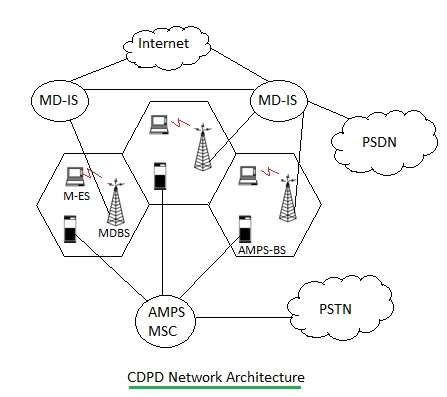
Cellular Digital Packet Data (CDPD)
CDPD stands for Cellular Digital Packet Data, is a specification for overlaying digital data transmissions on the existing circuit-switched analog cellular phone service.
-
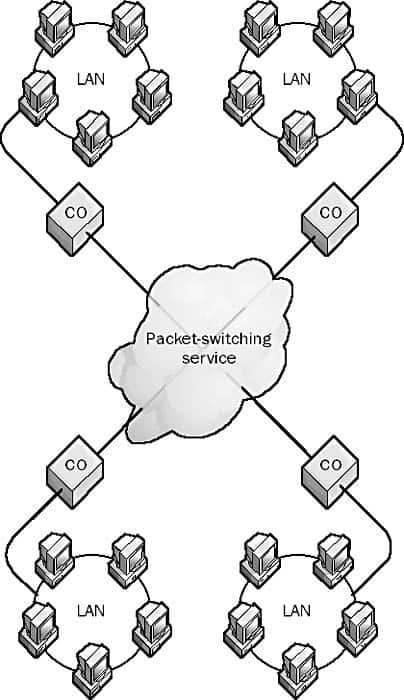
Packet-switching Services
Packet-switching Services are telecommunications services provided by telcos and long-distance carriers that route packets of data between local area networks (LANs) in diverse geographical locations to form a wide area network (WAN).
-
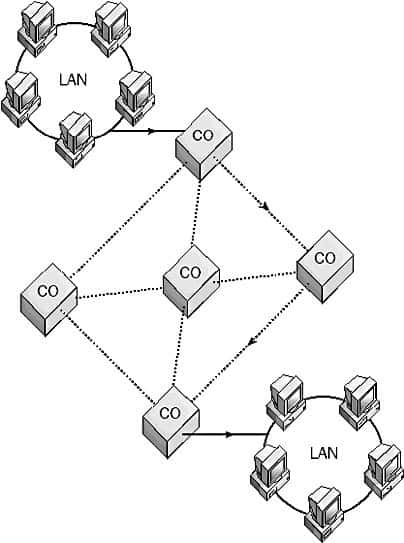
Circuit Switched Services
Circuit Switched Services is a telecommunications service provided to businesses by telcos and long-distance carriers. «Circuit-switched services» is an umbrella term describing any service that provides switched connections between a consumer and a provider.
-
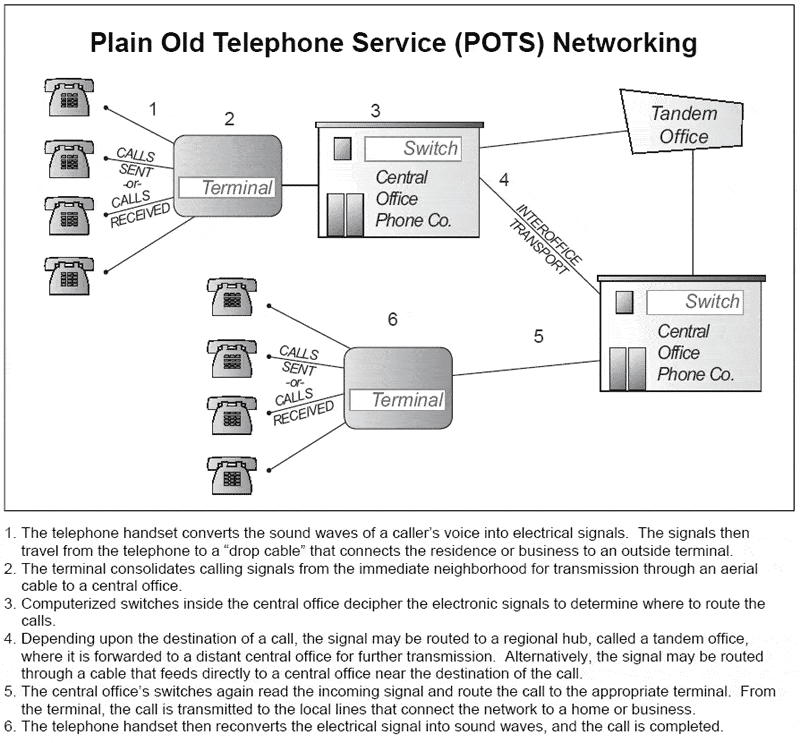
Plain Old Telephone Service (POTS)
POTS stands for Plain Old Telephone Service and it is the basic analog telecommunications service provided by a local telco.
-
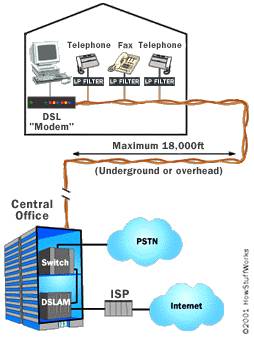
Digital Subscriber Line (DSL)
Digital Subscriber Line (DSL) is a telecommunications technology for providing high-speed transmission to subscribers over the existing copper wire twisted-pair local loop between the customer premises and the telco’s central office (CO).
-

SDSL: Symmetric Digital Subscriber Line
Symmetric Digital Subscriber Line (SDSL) is a type of Digital Subscriber Line (DSL) technology in which upstream and downstream speeds are equal.
-
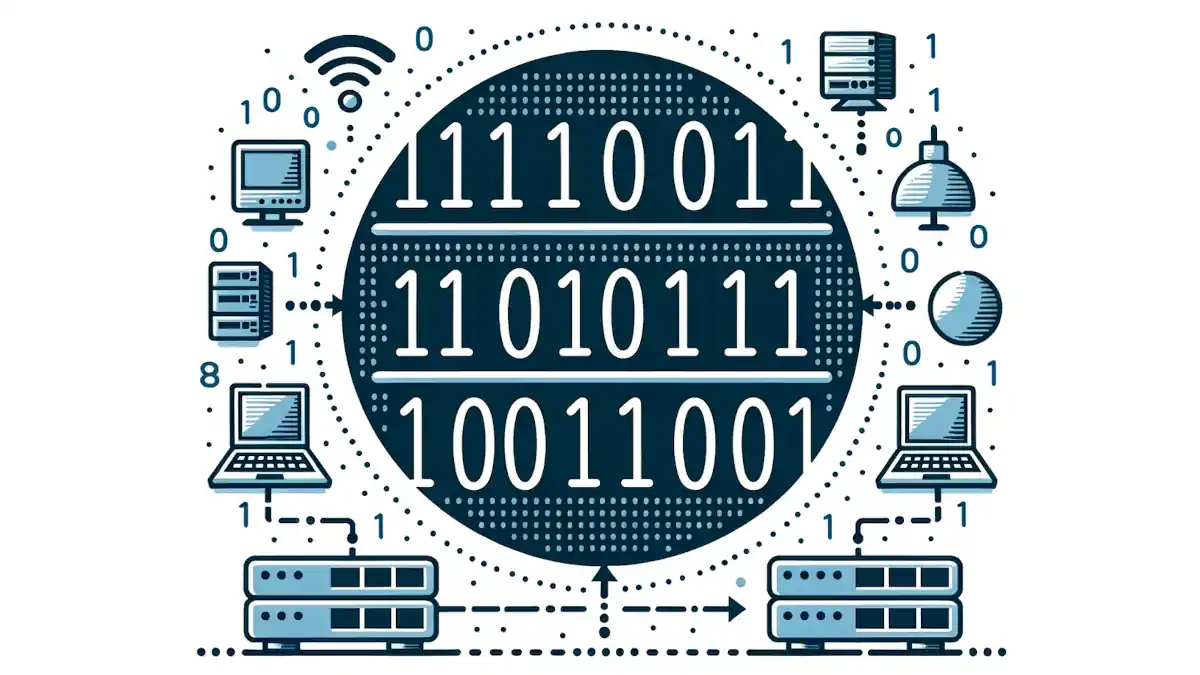
Subnet Mask
Subnet Mask is a 32-bit number that is used to partition IP addresses into a network ID and a host ID.
-
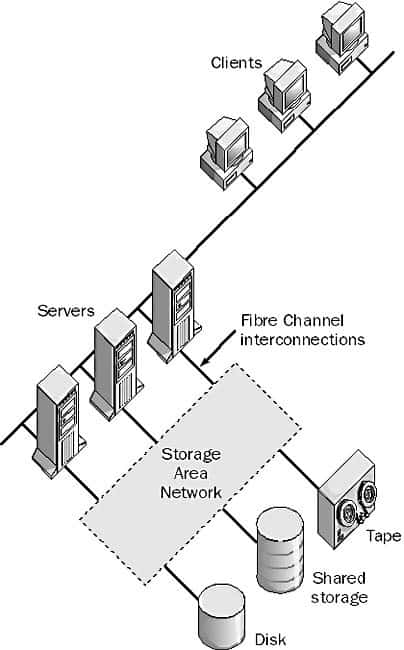
Storage Area Network (SAN)
Storage Area Network (SAN) is a general term for an architecture that uses external storage devices to provide network storage for applications running on an enterprise-level network.
-

IP Address
IP Address (Internet Protocol address) is a 32-bit logical address for a host on a TCP/IP network (IPv4) or 128-bit (IPv6). Each host on a TCP/IP network needs a unique IP address for communication to take place reliably on the network.