
Category: Networking Fundamentals
-
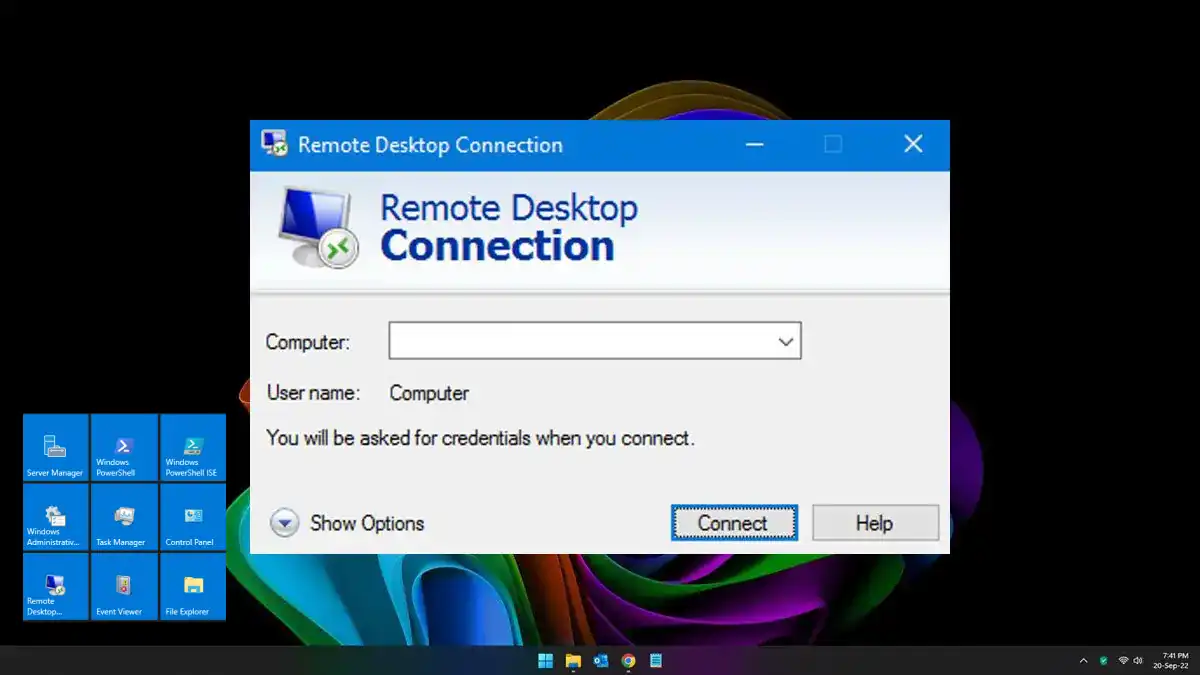
Unpacking Remote Desktop Protocol (RDP)
Delve into the exciting world of Remote Desktop Protocol (RDP), demystifying its functions, applications, and importance in today’s digitally driven era.
-
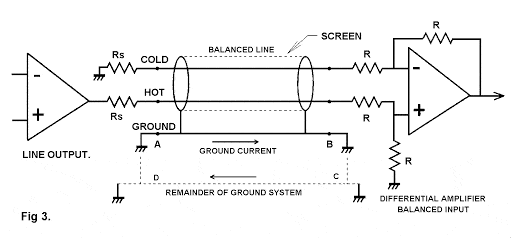
Balanced Line
Explore the world of Balanced Lines, their importance in network cabling, and how they enhance signal integrity in data transmission.
-

Mastering Clustering: The Backbone of Network Reliability
In this article, we dive deep into the fascinating world of clustering, a technology that ensures your network remains robust, scalable, and available, no matter what life throws at it.
-
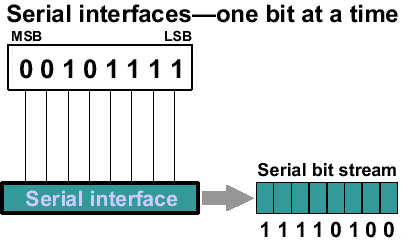
Serial Transmission
Serial Transmission is a form of signal transmission that sends information one bit at a time over a single data channel.
-
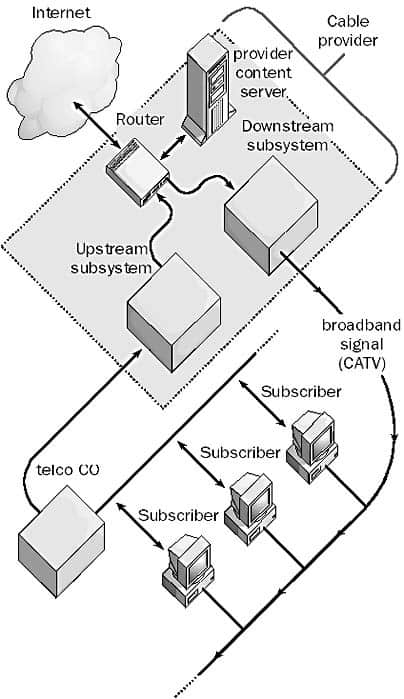
Cable Modem
Cable Modem is a device that allows your computer to access the Internet through dedicated broadband transmission networking services by means of your home cable TV (CATV) connection.
-

HTTPS
HTTPS is a protocol developed by Netscape for secure transmission of Web content over the Internet. HTTPS is another name for Netscape’s implementation of the Secure Sockets Layer (SSL) protocol that functions as a subprotocol to the application layer (layer 7) protocol, Hypertext Transfer Protocol (HTTP).
-

AUI Connector: Evolution, Legacy, and Modern Relevance
AUI is an acronym for Attachment Unit Interface connector, a standard 15-pin connector device for thicknet or 10Base5 cabling. The AUI connector on the free end of the drop cable attaches to the DB15 connector on the network interface card (NIC). The NIC has an AUI port connector for connecting the drop cable.
-
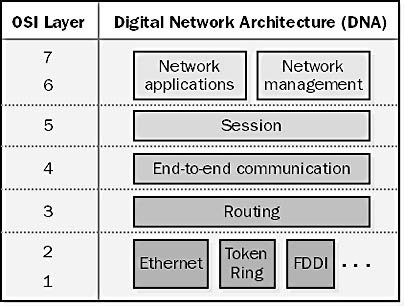
DECnet
Explore DECnet’s role in shaping network architectures, its diverse applications, and enduring influence on modern networking.
-

NWLink IPX/SPX-Compatible Transport
Dive into the world of NWLink IPX/SPX-Compatible Transport, exploring its significance in networking, features, and legacy impact.
-
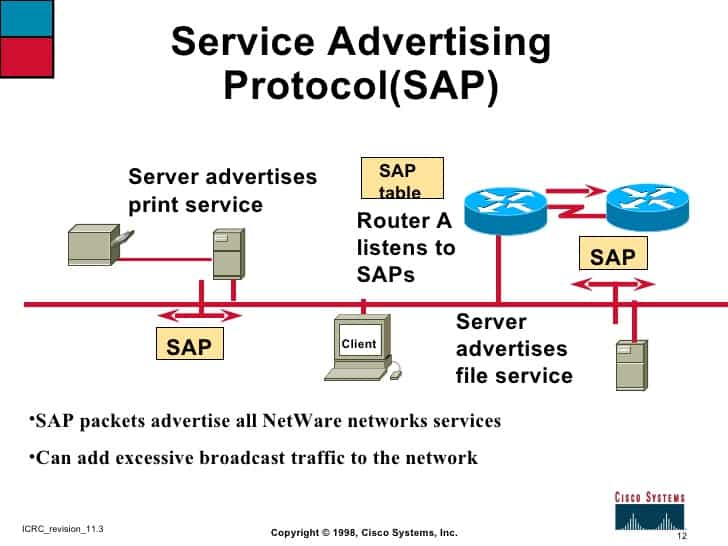
Service Advertising Protocol (SAP)
Service Advertising Protocol, also known as SAP, is a Novell NetWare protocol that is used with Internetwork Packet Exchange (IPX) to enable file and print servers to advertise their availability to clients on a network.
-
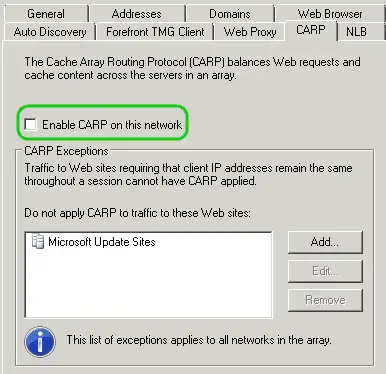
Caching Array Routing Protocol (CARP)
Caching Array Routing Protocol, also known as CARP, is a protocol developed by Microsoft and implemented in Microsoft Proxy Server that allows multiple proxy servers to be arrayed as a single logical cache for distributed content caching.
-

NetWare Protocols
NetWare protocols are the group of protocols developed for and specific to the Novell NetWare network operating system (NOS); popularized in NetWare versions 2 and 3. Some of the networking architecture of NetWare protocols evolved from the Xerox Network Systems (XNS) created in the late 1970s.