
Category: Networking Fundamentals
-
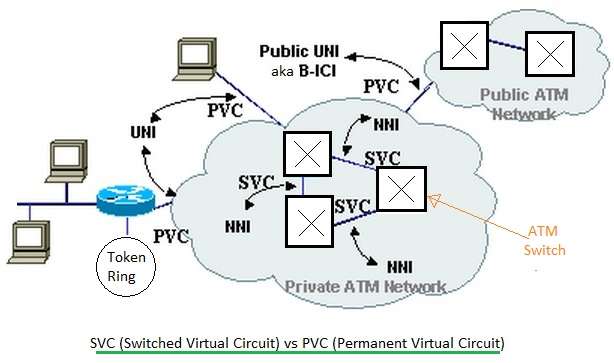
Navigating Switched Virtual Circuits: The SVC Guide
Switched Virtual Circuit, also known as SVC, is a form of telecommunications service that provides a path between two nodes in a packet-switched network.
-
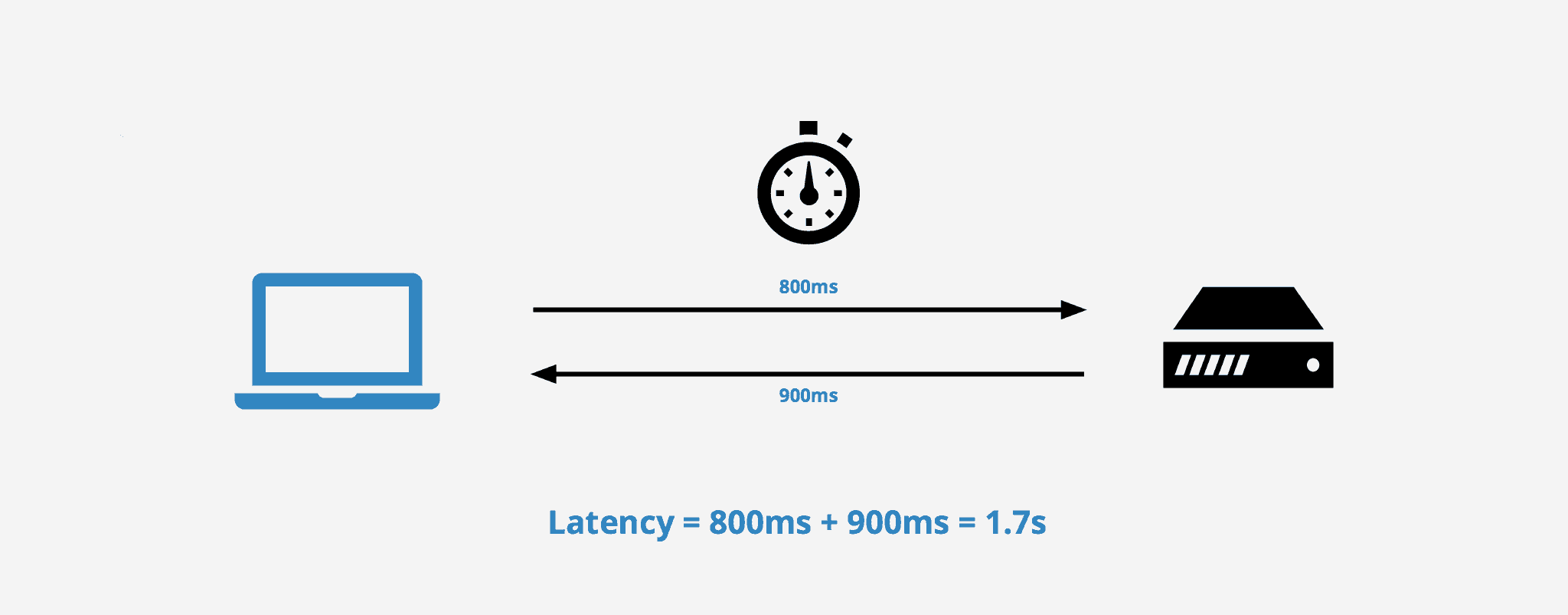
Latency
In this article we delve deeper into what latency is, its implications, its primary causes, and potential solutions.
-
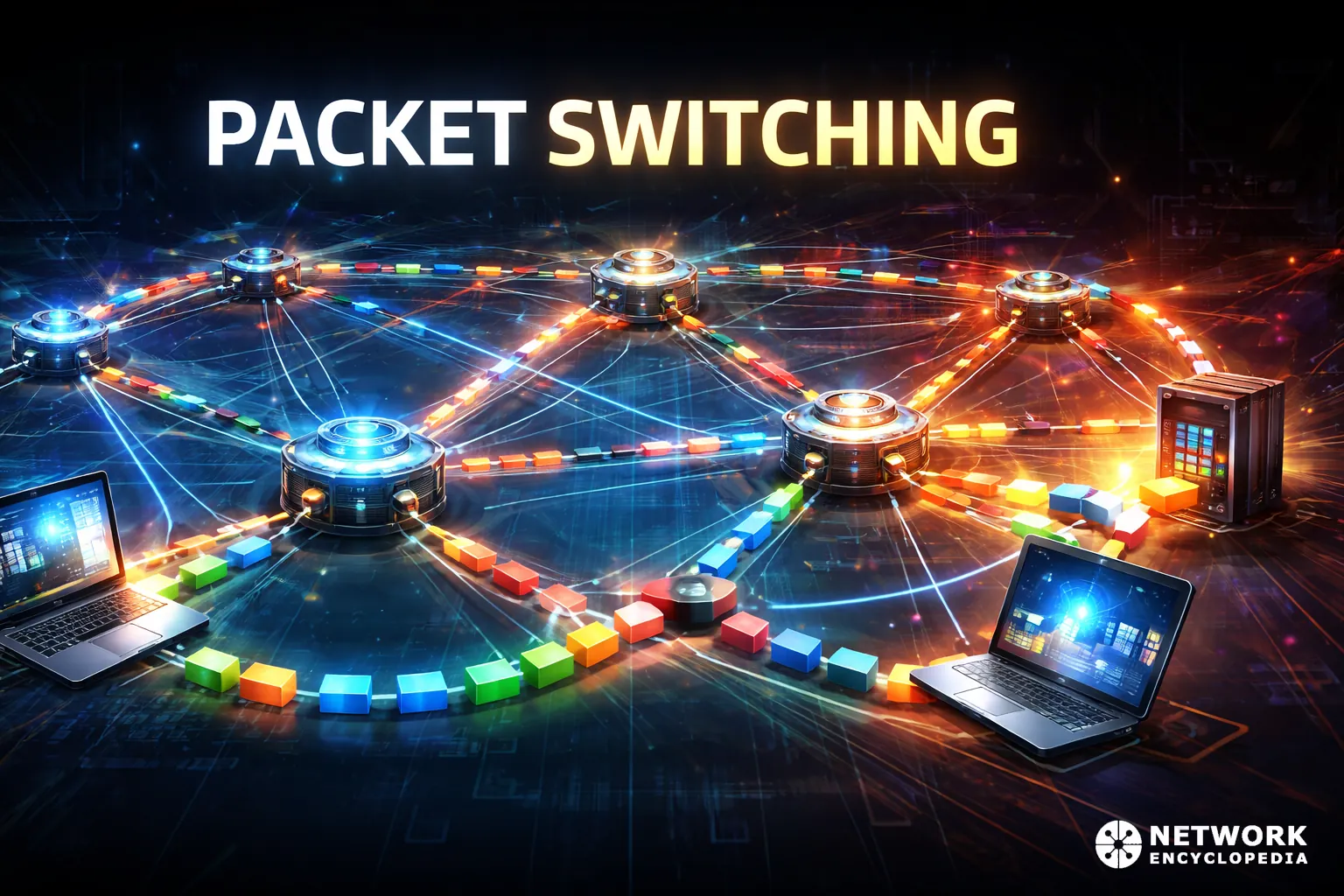
Packet Switching Explained: How the Internet Moves Data (And Why It Works So Well)
What makes the Internet scalable, resilient, and efficient? Packet switching is the answer. In this deep technical guide, we break down how packets move, how networks share bandwidth, and why this model replaced circuit switching in data networks.
-
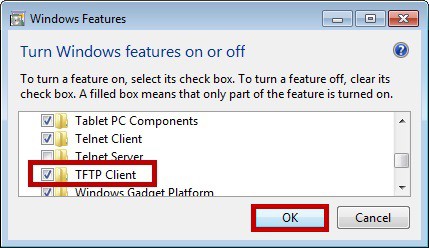
TFTP (Trivial File Transfer Protocol)
Explore TFTP: A concise guide to Trivial File Transfer Protocol, its functions, implementations, and modern network applications.
-
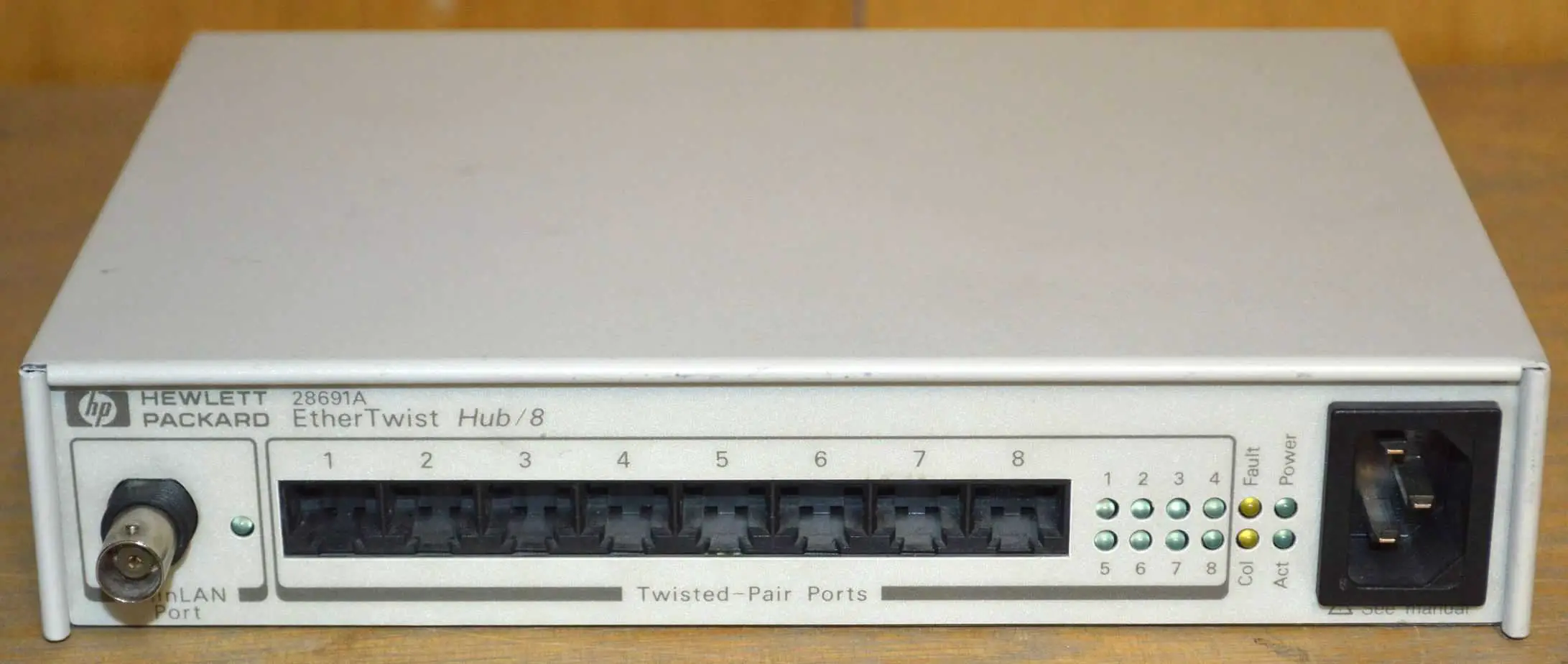
Hub
Hub also called a repeater hub, is the basic networking component used in traditional 10-Mbps Ethernet networks to connect network stations to form a local area network (LAN).
-
UDP Protocol: How the Internet Moves at Real-Time Speed
UDP (User Datagram Protocol) is a lightweight transport protocol designed for speed and efficiency. Learn how it works, when to use it, and why it powers real-time Internet applications.
-

Common Internet File System (CIFS): Network File Sharing Made Easy
Unlock the capabilities of CIFS, the protocol at the heart of network file sharing and collaboration. Dive into its functionalities, uses, and impact.
-

Server Message Block (SMB): Beyond File Sharing
Server Message Block, also known as SMB, is a high-level file-sharing protocol jointly developed by Microsoft, IBM, and Intel for passing data between computers on a network.
-

Subnetting Simplified: Mastering Network Division in TCP/IP
Subnetting is the process of partitioning a single TCP/IP network into a number of separate networks called subnets.
-

Interexchange Carrier (IXC)
Interexchange Carrier, also known as IXC, is a telco that mainly provides long-distance communication services.
-

Top-Level Domain: Everything You Need to Know
This article unveils the mysteries of Top-Level Domains, from their definition to their pivotal role in establishing online identities and services. Have you ever wondered how a simple ‘.com’ or ‘.org’ can influence your website’s reach and credibility?
-
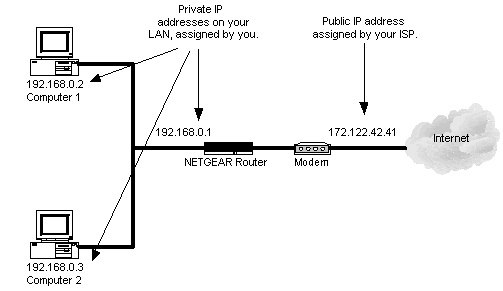
Network Address Translation (NAT)
NAT stands for Network Address Translation is a form of packet filtering used in firewall products that protect a network from outside intrusion by hackers.