Category: Historical Perspectives
-
APPC File Transfer Protocol (AFTP)
Dive into the historical depths of AFTP, the APPC File Transfer Protocol used in SNA Servers and AS/400 mainframes. Understand its modern relevance.
-
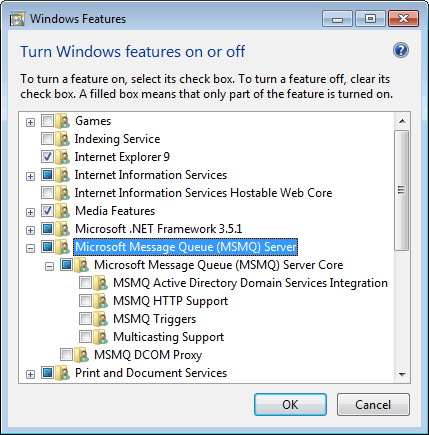
Primary Site Controller (PSC)
Explore the history and functionalities of the Primary Site Controller (PSC) in MSMQ Server. Learn how this legacy technology paved the way for modern distributed computing.
-

D Channel: The Backbone of ISDN Signaling
D Channel is a circuit-switched channel in Integrated Services Digital Network (ISDN) technologies that carries signaling information between the customer premises termination and the central office (CO) of the telecommunications service provider or telco.
-
Advanced Streaming Format (ASF)
Explore the legacy and modern alternatives of Advanced Streaming Format (ASF). This article provides an in-depth look into the evolution of ASF Format.
-

APPC: Advanced Program-to-Program Communications Protocol
Explore the synergy of APPC protocol with Microsoft SNA Server: Bridging IBM and Windows networks for seamless enterprise communication.
-
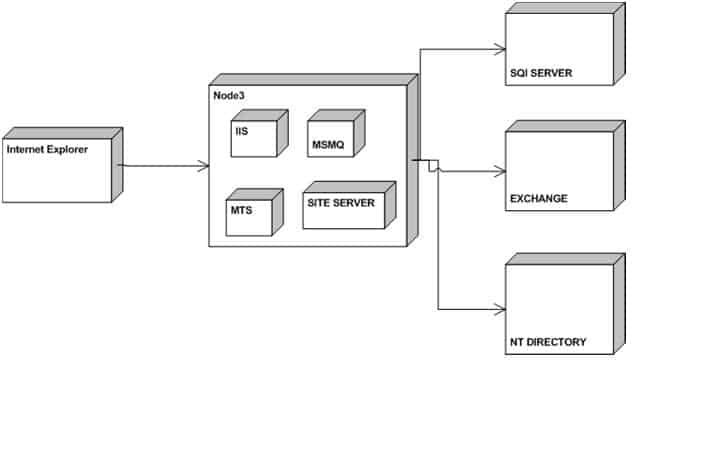
Microsoft Windows Distributed interNet Applications (DNA) Architecture
Windows DNA Architecture is an application development model from Microsoft for highly adaptable business solutions that use Microsoft’s digital nervous system paradigm.
-
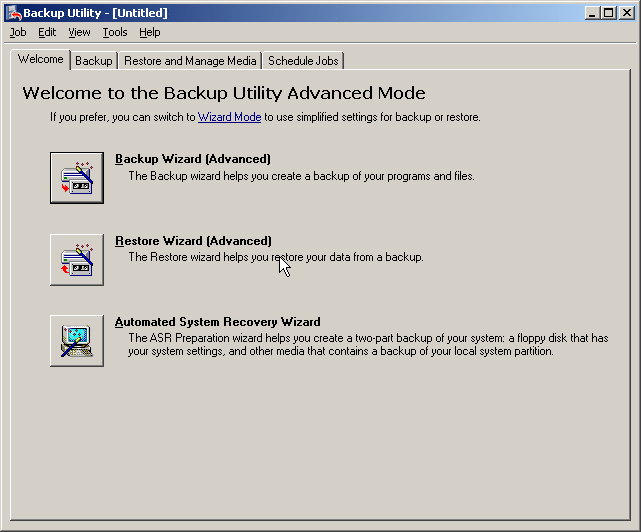
Windows NT Backup
Windows NT Backup (NTBackup) was a Microsoft Windows NT utility for backing up and restoring important data to tape.
-
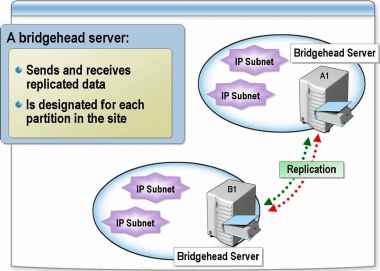
Bridgehead Server
Explore the evolution of Bridgehead Servers in Exchange and AD environments, understanding their current role and relevance in modern network architectures.
-

Broadband ISDN (B-ISDN)
B-ISDN (Broadband ISDN) is the broadband transmission counterpart of Integrated Services Digital Network (ISDN).
-

X.400 Connector
Dive into the legacy of the X.400 Connector in Exchange Server: its pivotal role in early network messaging and enduring impact.
-
Zero Administration Kit (ZAK)
ZAK (Zero Administration Kit) is a tool collection, methodologies, and guidelines for Microsoft Windows NT Workstation 4 that network administrators can use to implement policy-based management of Windows NT–based networks.