
The Editorial Team is a collective of technology enthusiasts, computer network engineers, and industry professionals dedicated to creating meticulously curated content for a diverse readership. With a combined experience spanning several decades, our team distills complex technology topics into clear, informative articles. Whether it’s networking fundamentals, cutting-edge AI insights, or in-depth guides on blockchain technology, the Editorial Team strives to provide reliable information that advances the understanding of technology for everyone from students to seasoned professionals.
Editorial Team’s mission
The Editorial Team’s mission extends beyond mere reporting; we aim to be the architects of understanding, constructing bridges over the rivers of jargon and complexity. From the foundational bricks of networking to the ever-evolving skies of cloud computing, we guide you through the technological labyrinth.
We take pride in our meticulous attention to detail and our unwavering commitment to accuracy, ensuring that each piece of information is a thread in the vast tapestry of technological knowledge. As we chart the course through the evolving landscape of technology, we invite our readers to join us on this exhilarating journey of discovery and growth. Together, we not only explore the current terrain of technology but also anticipate the horizons of tomorrow’s innovations.
Our Latest Articles
-
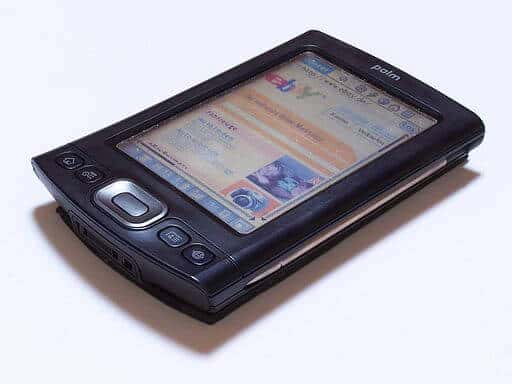
Personal Digital Assistant (PDA)
A Personal Digital Assistant (PDA) was a handheld computer that was programmed for functions such as keeping track of appointments, sending and receiving e-mail, browsing the Internet, composing memos, performing spreadsheet calculations, managing contacts, banking, and viewing stock quotes.
-
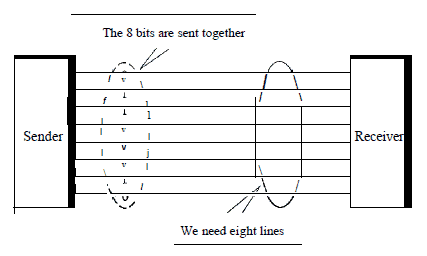
Parallel Transmission
Learn what is Parallel Transmission, the difference between serial and parallel transmission, IEEE 1284 standard (SPP, EPP and ECP) and many other questions we may want to know the answers to.
-
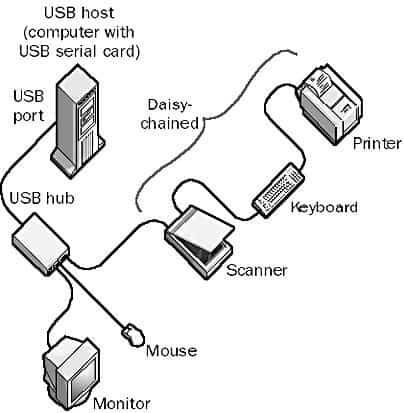
Universal Serial Bus (USB)
Discover what Universal Serial Bus (USB) is and how it’s revolutionized device connectivity. From USB types to its role in data transfer, we cover it all!
-
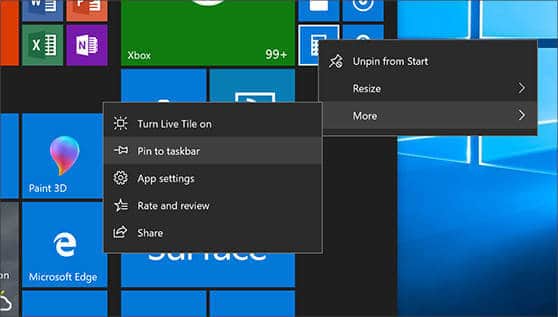
Windows 10: How to Pin an App to the Start Menu
In this article, you’re going to show you how to pin and unpin an app to the Start Menu on Windows 10.
-
Operating System (OS)
We can define an Operating System, or simply OS, as a software program that serves as the interface between other applications and the hardware on a computer or mobile device. Desktop operating systems perform basic tasks, such as recognizing input from a keyboard, sending output to a display screen, managing files and directories on a…
-
Networking Basics: What is a Proxy Server and Their Benefits
Why do you need a Proxy Server and what are the benefits of using a proxy server. Proxy servers offer secure browsing…
-
How computer viruses spread and how to keep them away
Learn how computer viruses spread and how to keep them away by taking preventive measures.
-
Why does my company need a firewall right away!
Identifying a potential intrusion is not always obvious, and that is why you need a good firewall. In this article, we explain why and how.
-
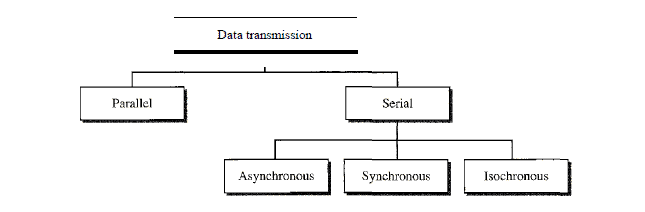
Transmission Modes in Data Transmission
Of primary concern when we are considering the transmission of data from one device to another is the wiring, and of primary concern when we are considering the wiring is the data stream. Do we send 1 bit at a time; or do we group bits into larger groups and, if so, how? The transmission…
-
Starting to understand Encryption
Encryption is the principal application of cryptography; it makes data incomprehensible in order to ensure its confidentiality.
-
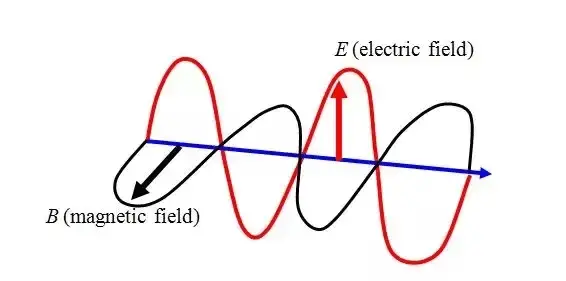
Electromagnetic Waves
An electromagnetic wave is a fluctuation of energy consisting of electric and magnetic fields. The electric and magnetic fields oscillate or move back and forth at right angles to each other, and the wave moves out from the propagating antenna in a direction related to the shape of the antenna, which you will learn about…
-
Aloha Network
ALOHA NETWORK, was a networking system developed at the University of Hawaii in the late 1960s. Norman Abramson and his colleagues developed a radio network for communication among the Hawaiian Islands. This system was an early experiment in the development of mechanisms for sharing a common communications channel – in this case, a common radio channel.…