
The Editorial Team is a collective of technology enthusiasts, computer network engineers, and industry professionals dedicated to creating meticulously curated content for a diverse readership. With a combined experience spanning several decades, our team distills complex technology topics into clear, informative articles. Whether it’s networking fundamentals, cutting-edge AI insights, or in-depth guides on blockchain technology, the Editorial Team strives to provide reliable information that advances the understanding of technology for everyone from students to seasoned professionals.

Editorial Team’s mission
The Editorial Team’s mission extends beyond mere reporting; we aim to be the architects of understanding, constructing bridges over the rivers of jargon and complexity. From the foundational bricks of networking to the ever-evolving skies of cloud computing, we guide you through the technological labyrinth.
We take pride in our meticulous attention to detail and our unwavering commitment to accuracy, ensuring that each piece of information is a thread in the vast tapestry of technological knowledge. As we chart the course through the evolving landscape of technology, we invite our readers to join us on this exhilarating journey of discovery and growth. Together, we not only explore the current terrain of technology but also anticipate the horizons of tomorrow’s innovations.
Our Latest Articles
-
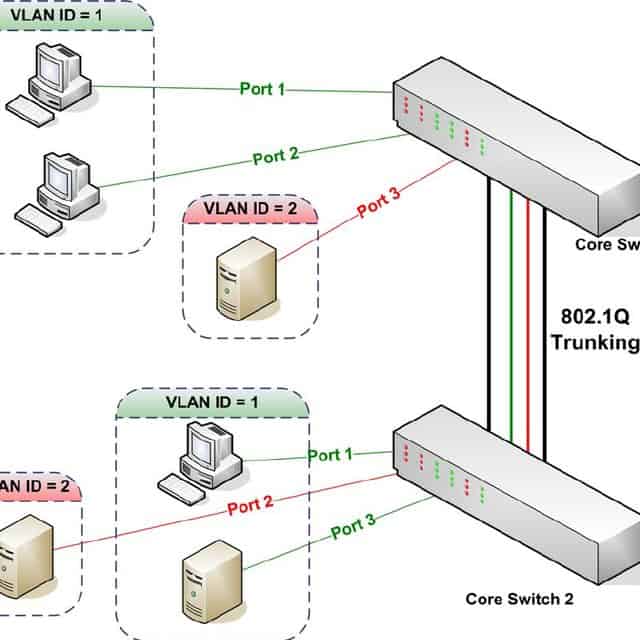
Trunking (computer networking)
Trunking, in switched ethernet networking, is any method of aggregating the physical network links into a single logical link. Trunking provides a way of overcoming the bandwidth limitations of a single physical link and is used in both switch-to-switch and switch-to-server connections to relieve traffic congestion.
-
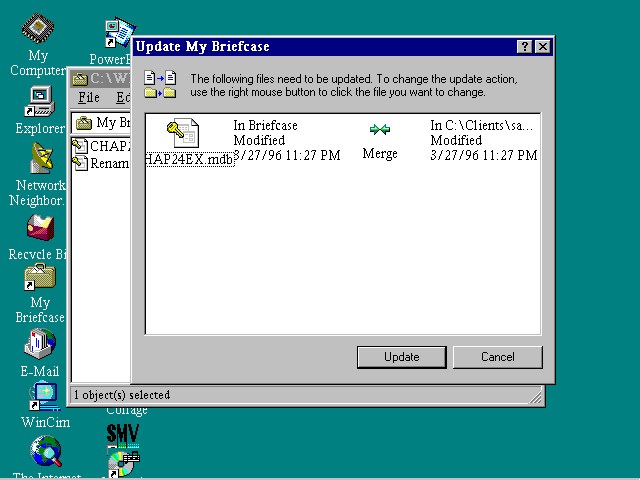
Briefcase (Microsoft Windows)
Briefcase was a feature of Microsoft Windows 95, Windows 98, Windows NT 4.0, and Windows 2000 that is typically used to enable mobile users to copy and synchronize files between a desktop and a portable computer so that they can easily copy and work on files at home or on the road without creating version…
-
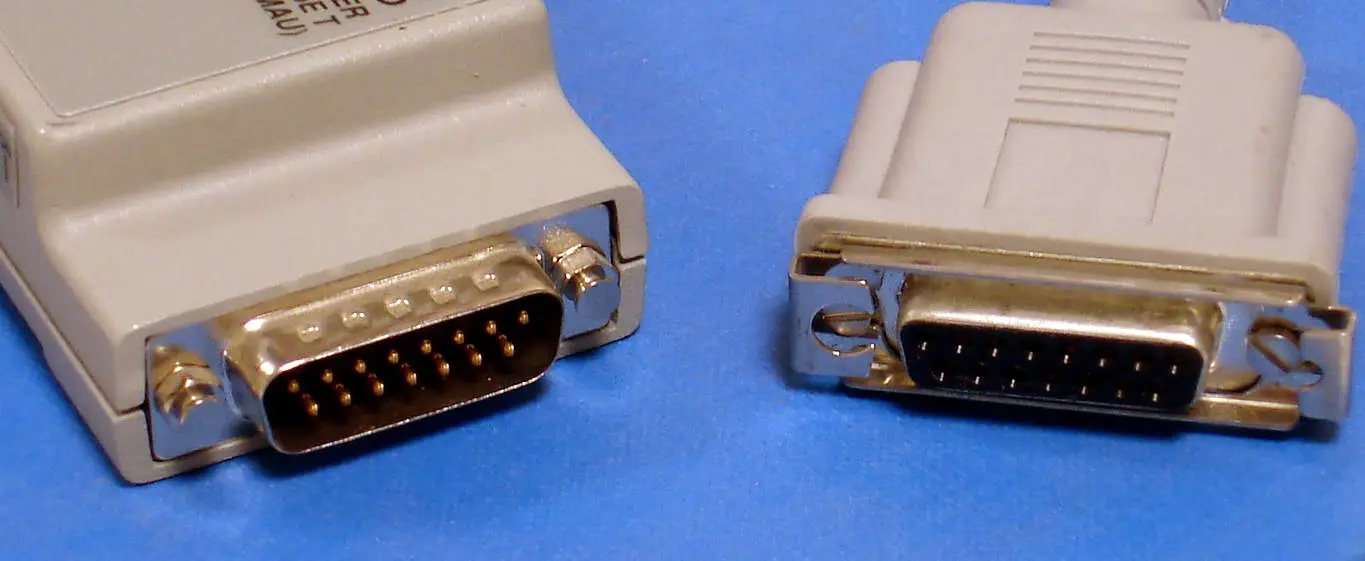
AUI Connector: Evolution, Legacy, and Modern Relevance
AUI is an acronym for Attachment Unit Interface connector, a standard 15-pin connector device for thicknet or 10Base5 cabling. The AUI connector on the free end of the drop cable attaches to the DB15 connector on the network interface card (NIC). The NIC has an AUI port connector for connecting the drop cable.
-
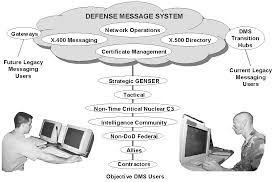
Defense Messaging System (DMS)
Defense Messaging System, also known as DMS, is a program established by the U.S. Undersecretary of Defense (Acquisition) to develop an integrated, global messaging system for transferring classified and unclassified data. The DMS will replace the existing Automatic Digital Network (AUTODIN) system currently in use by the U.S. Department of Defense.
-
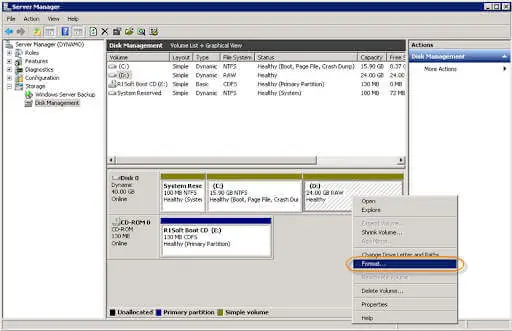
Dynamic Volume
Dynamic Volume is any volume created using the Disk Management portion of the Computer Management administrative tool.
-
Power-on Self Test (POST): Ensuring System Integrity from Startup
Power-On Self Test is a special set of ROM routines that run whenever a PC is booted. The power-on self test (POST) is designed to test whether system components are functioning properly before attempting to boot the operating system, and checks such things as the RAM, keyboard, and disk drives.
-
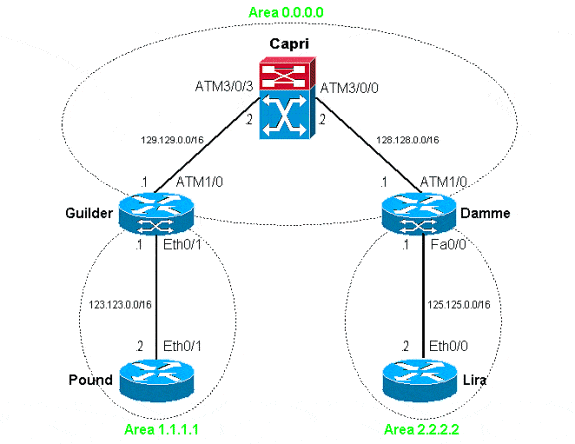
Multiprotocol Label Switching (MPLS)
Multiprotocol Label Switching, also known as MPLS, is a proposed standard from the Internet Engineering Task Force (IETF) for a switching protocol for backbone routers in large TCP/IP internetworks such as the Internet.
-
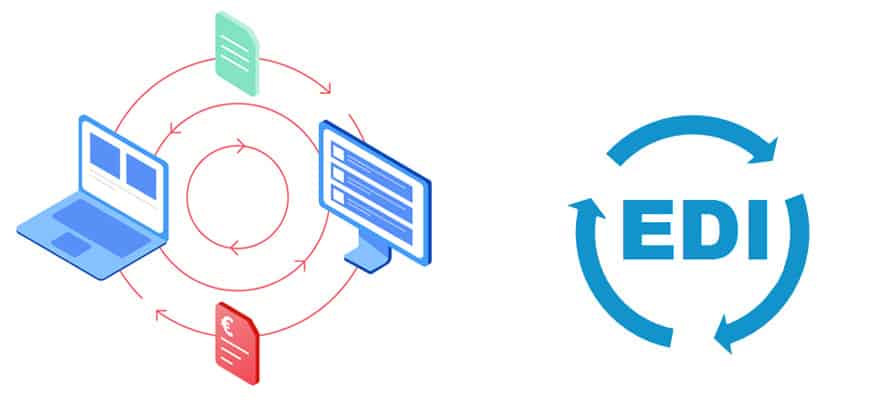
Electronic Data Interchange (EDI)
Electronic Data Interchange, also known as EDI, is a standard format developed by the Data Interchange Standards Association (DISA) in which companies can exchange business data and financial transactions. Electronic data interchange (EDI) is defined in the American National Standards Institute (ANSI) standard called X.12.
-

Desktop Management Interface (DMI)
Desktop Management Interface, also knowns as DMI, is a standard for managing desktop systems developed by the Desktop Management Task Force (DMTF). Using the Desktop Management Interface (DMI), information can be automatically collected from system components such as network interface cards (NICs), hard disks, video cards, operating systems, and applications that are compliant with the…
-
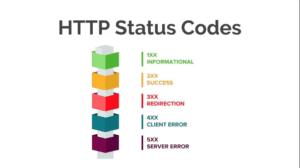
HTTP Status Codes
HTTP Status Codes are three-digit codes that Web servers return in response to Hypertext Transfer Protocol (HTTP) requests sent by Web browsers. They are also known as HTTP error codes because most of them signify some sort of error condition. In this page The HTTP status code is one of the first pieces of information…
-
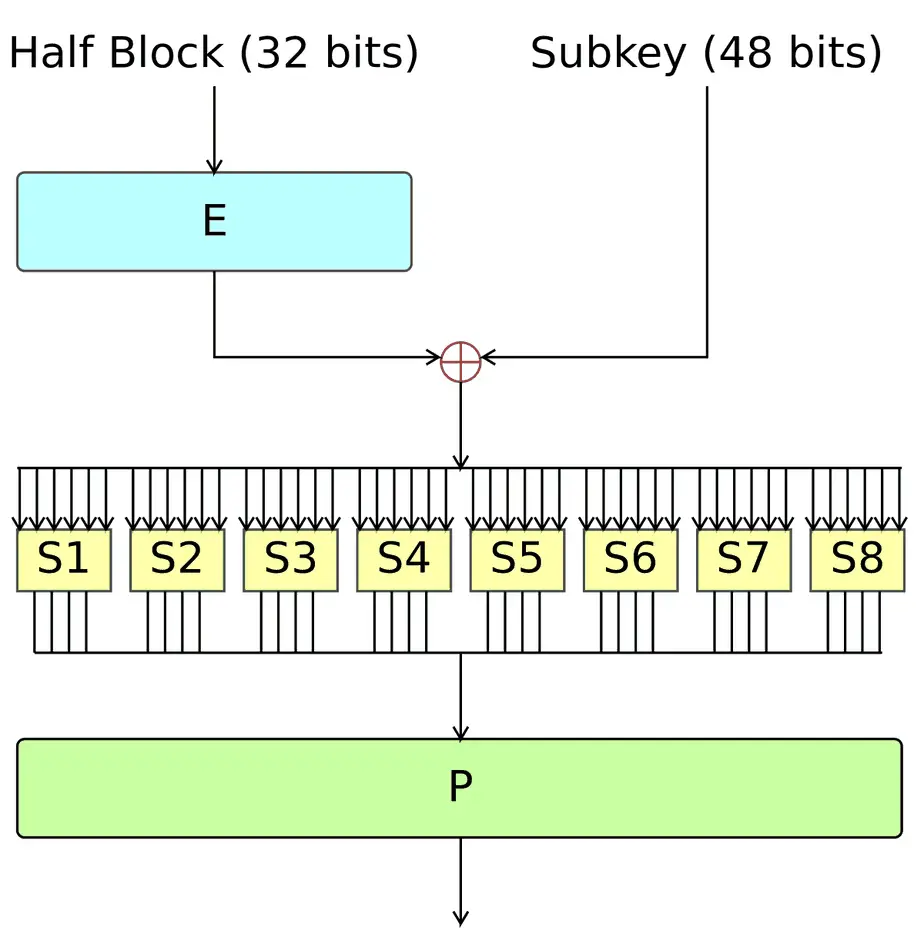
Data Encryption Standard (DES)
Data Encryption Standard, best known as DES, is a U.S. government standard for encrypting information. In 1972, the National Bureau of Standards called for proposals for an encryption standard.
-

Frequently Asked Questions (FAQ)
Dive deep into the evolution of FAQ sections: from crafting engaging Frequently Asked Questions to innovative multimedia integrations. Master the FAQ!