
The Editorial Team is a collective of technology enthusiasts, computer network engineers, and industry professionals dedicated to creating meticulously curated content for a diverse readership. With a combined experience spanning several decades, our team distills complex technology topics into clear, informative articles. Whether it’s networking fundamentals, cutting-edge AI insights, or in-depth guides on blockchain technology, the Editorial Team strives to provide reliable information that advances the understanding of technology for everyone from students to seasoned professionals.

Editorial Team’s mission
The Editorial Team’s mission extends beyond mere reporting; we aim to be the architects of understanding, constructing bridges over the rivers of jargon and complexity. From the foundational bricks of networking to the ever-evolving skies of cloud computing, we guide you through the technological labyrinth.
We take pride in our meticulous attention to detail and our unwavering commitment to accuracy, ensuring that each piece of information is a thread in the vast tapestry of technological knowledge. As we chart the course through the evolving landscape of technology, we invite our readers to join us on this exhilarating journey of discovery and growth. Together, we not only explore the current terrain of technology but also anticipate the horizons of tomorrow’s innovations.
Our Latest Articles
-
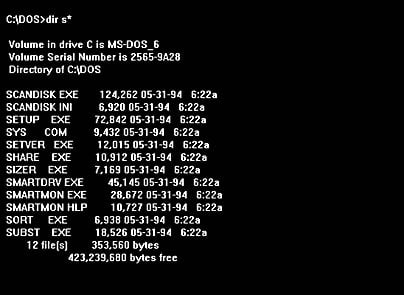
MS-DOS
MS-DOS is the venerable operating system created by Microsoft for the first IBM personal computer in 1981. In this article: How DOS works, History, list of commands, list of versions, and more.
-
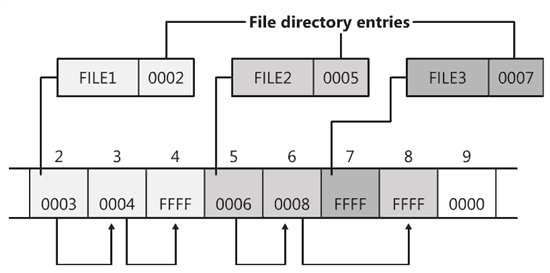
File Allocation Table (FAT)
FAT stands for File Allocation Table, is specifically, a table maintained on a hard disk by MS-DOS and Microsoft Windows operating systems that acts as a table of contents, showing where directories and files are stored on the disk.
-
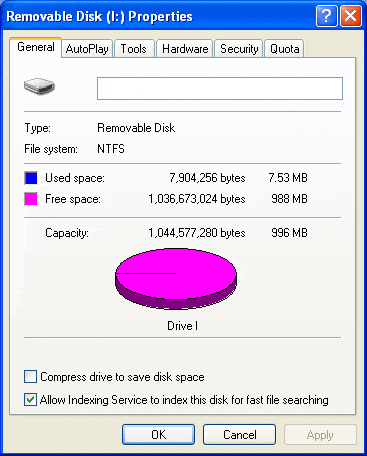
NTFS File System Architecture Unveiled
A deep dive into the NTFS File System, exploring its structure, functions, security features, and more. Unlock the intricate details of this essential Windows component.
-
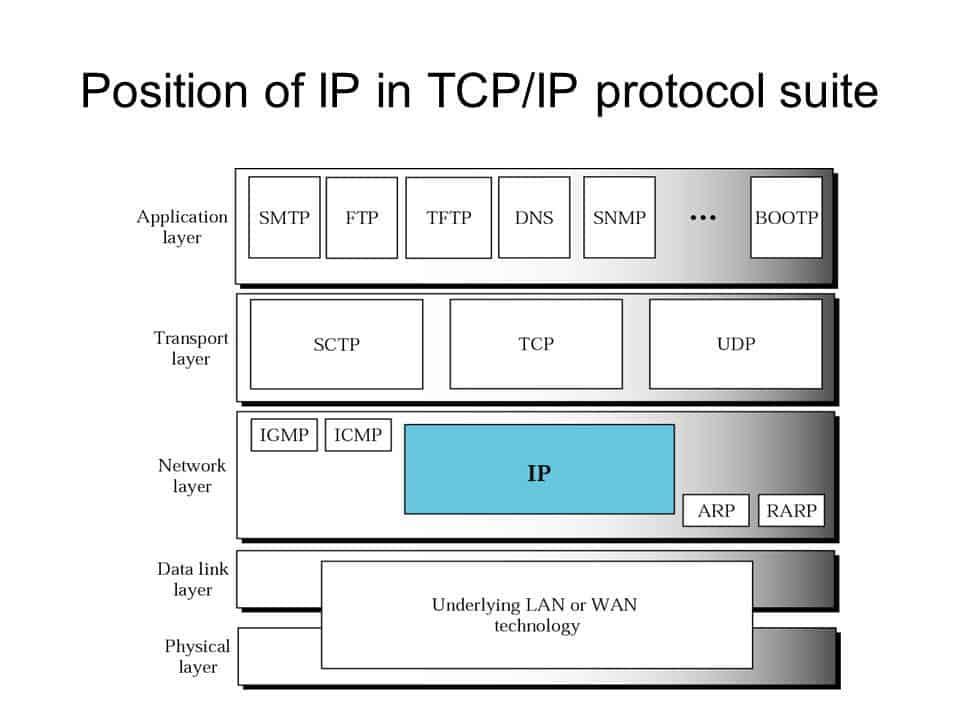
Internet Protocol (IP)
Internet Protocol, or just IP, is a TCP/IP network layer protocol for addressing and routing packets of data between hosts on a TCP/IP network.
-
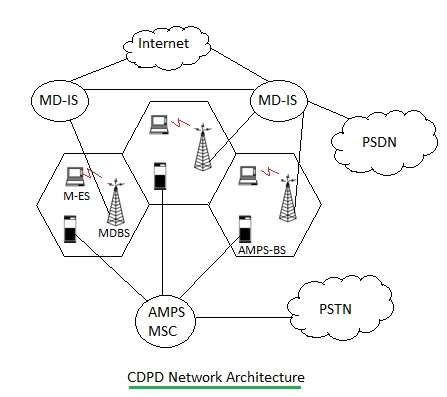
Cellular Digital Packet Data (CDPD)
CDPD stands for Cellular Digital Packet Data, is a specification for overlaying digital data transmissions on the existing circuit-switched analog cellular phone service.
-
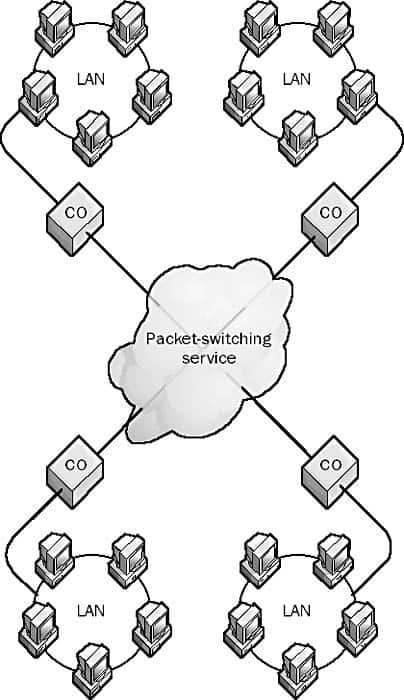
Packet-switching Services
Packet-switching Services are telecommunications services provided by telcos and long-distance carriers that route packets of data between local area networks (LANs) in diverse geographical locations to form a wide area network (WAN).
-
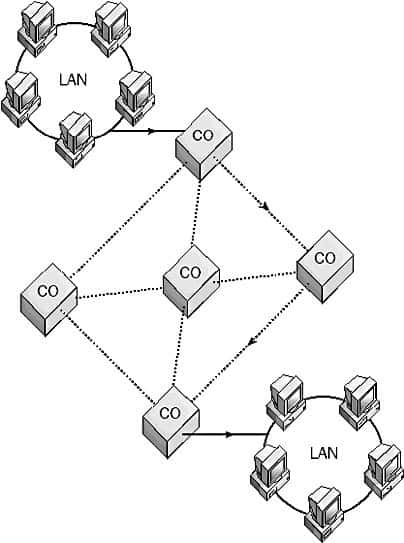
Circuit Switched Services
Circuit Switched Services is a telecommunications service provided to businesses by telcos and long-distance carriers. «Circuit-switched services» is an umbrella term describing any service that provides switched connections between a consumer and a provider.
-
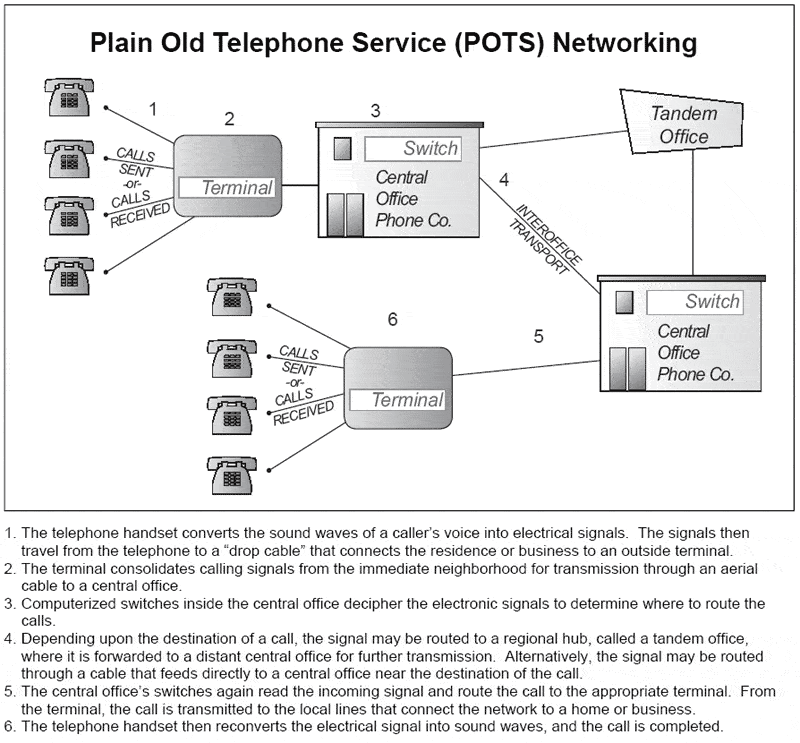
Plain Old Telephone Service (POTS)
POTS stands for Plain Old Telephone Service and it is the basic analog telecommunications service provided by a local telco.
-
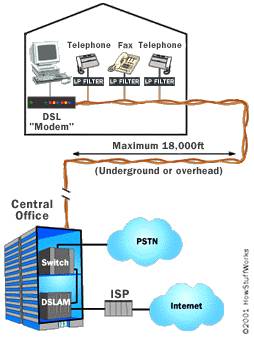
Digital Subscriber Line (DSL)
Digital Subscriber Line (DSL) is a telecommunications technology for providing high-speed transmission to subscribers over the existing copper wire twisted-pair local loop between the customer premises and the telco’s central office (CO).
-

SDSL: Symmetric Digital Subscriber Line
Symmetric Digital Subscriber Line (SDSL) is a type of Digital Subscriber Line (DSL) technology in which upstream and downstream speeds are equal.
-
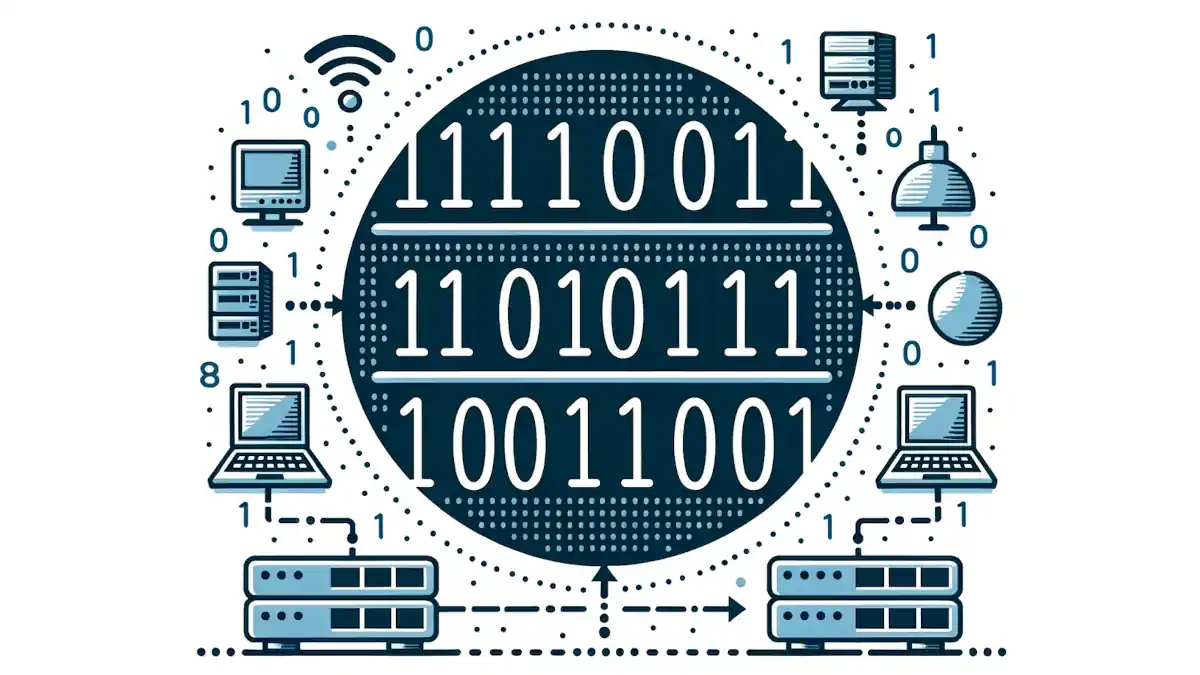
Subnet Mask
Subnet Mask is a 32-bit number that is used to partition IP addresses into a network ID and a host ID.
-
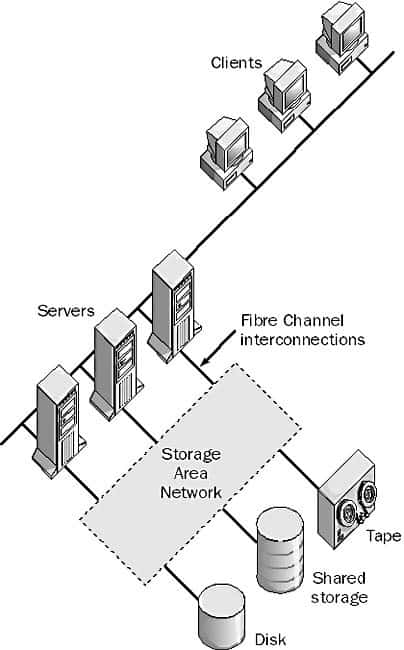
Storage Area Network (SAN)
Storage Area Network (SAN) is a general term for an architecture that uses external storage devices to provide network storage for applications running on an enterprise-level network.