
Our Latest Articles
-
PoE Vendor Extensions to the Standard
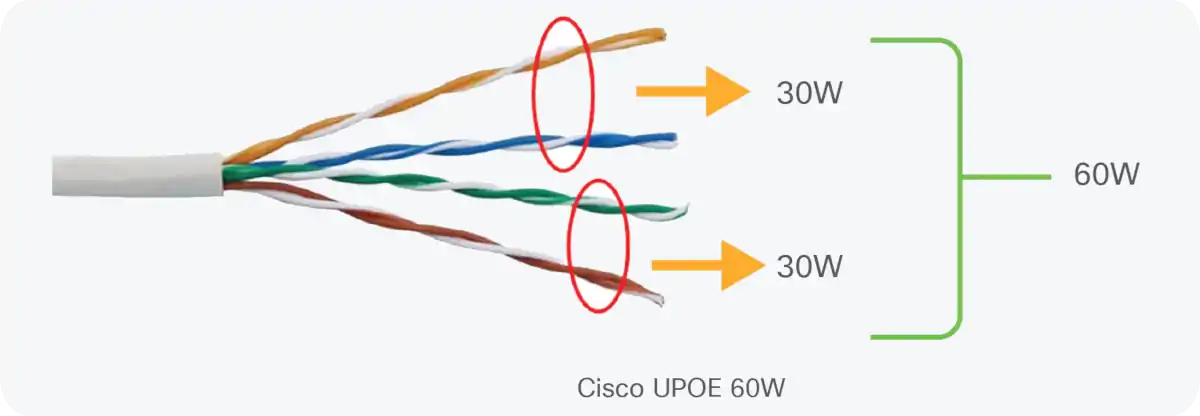
After 802.3at made it possible to provide roughly 30 watts over two pairs of wires, it was a relatively straightforward process to extend the standard to provide power over four pairs simultaneously.
-
PoE Port Management
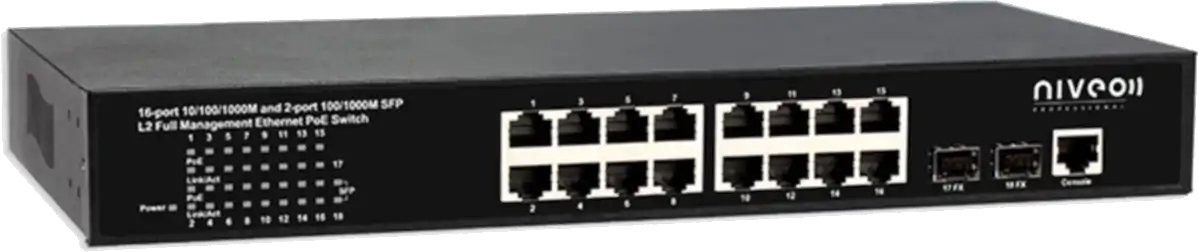
To manage these power loads, vendors of switches typically program the switches to provision power one port at a time, this is PoE Port Management.
-
PoE and Cable Pairs
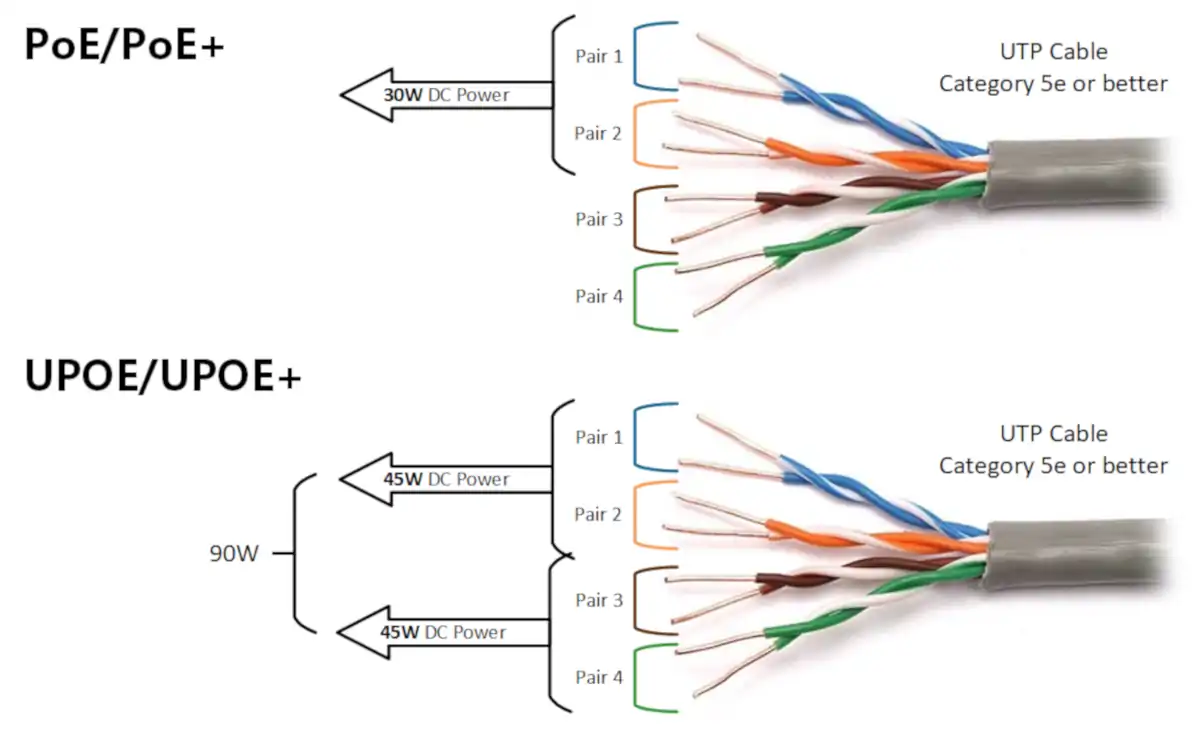
The PoE standard specifies the way that power is injected into the Ethernet cable pairs, and which pairs should be used.
-
Asymmetric Encryption
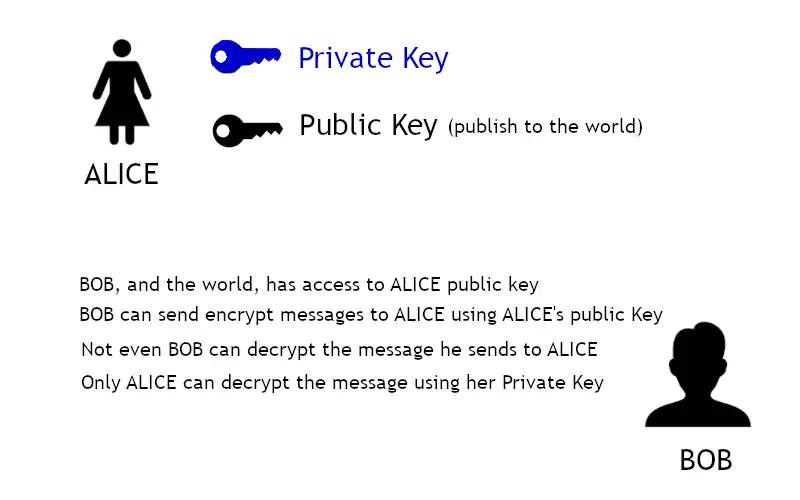
Asymmetric encryption requires the use of two keys: a private key that is known only by its owner and a public key that is readily available to those who need to use it.
-
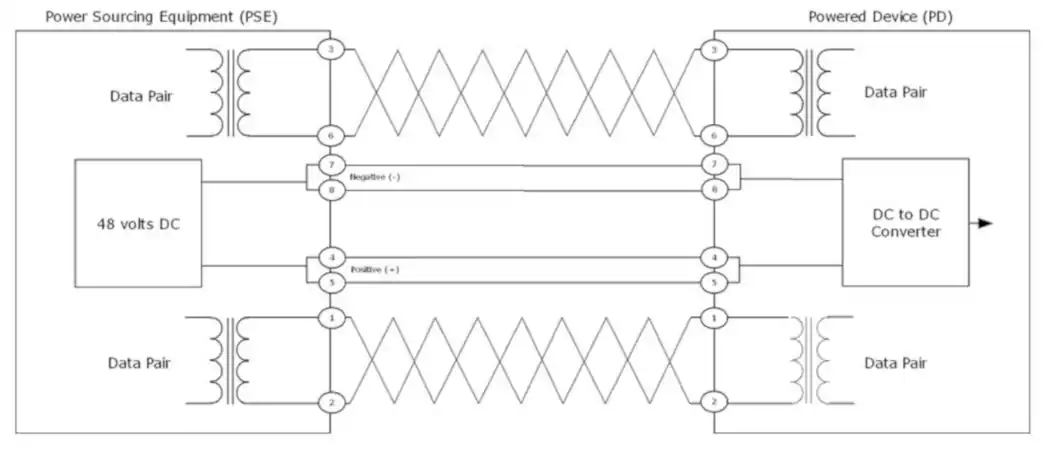
How Power Over Ethernet works – PoE Operations
Understanding how PoE works. The idle state and three operational states: detection, classification, and operation.
-
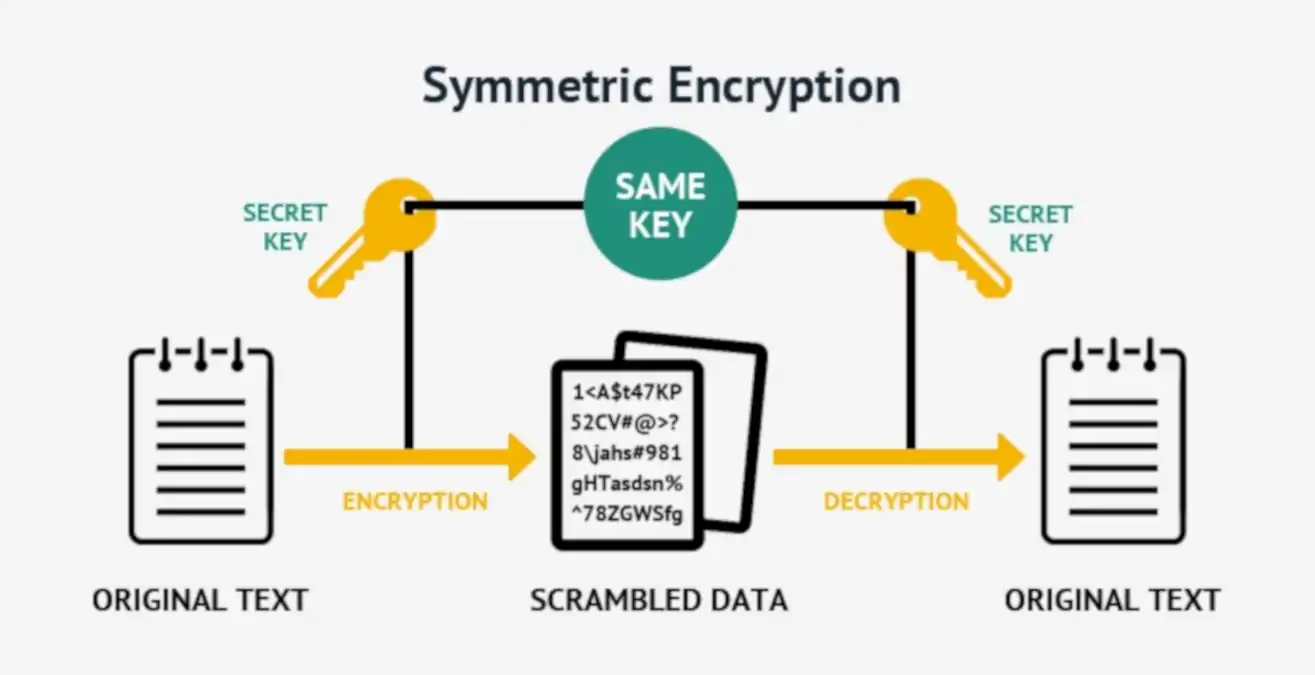
Symmetric Encryption
Symmetric encryption, or single-key encryption, is the most well-understood cryptography primitive.
-
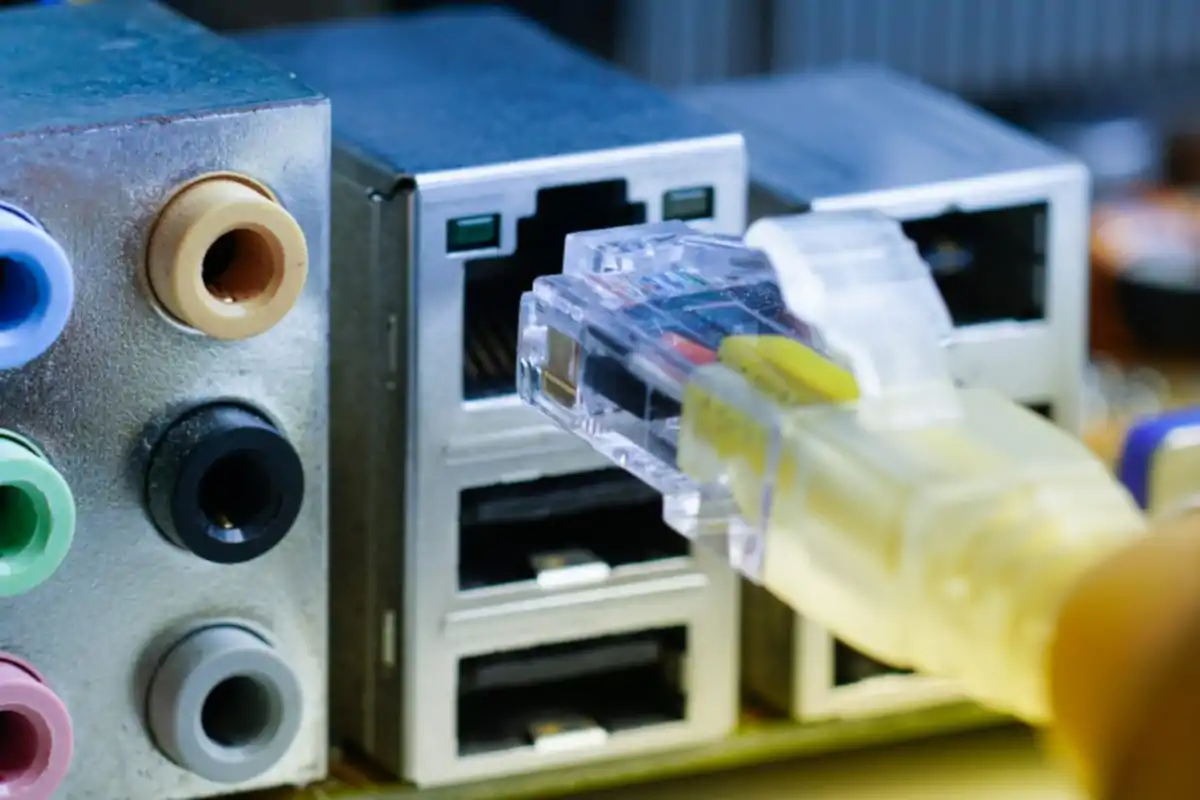
PoE Device Roles and Type Parameters
For those who want to delve into the details of the Power over Ethernet technology, here we discuss PoE devices roles and type parameters.
-

History of Fiber Optics
It’s important to study the history of fiber optics to understand that the technology as it exists today is new and still evolving.
-
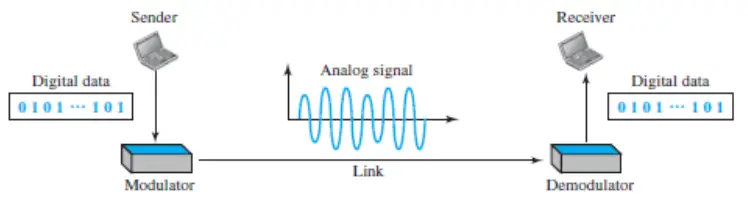
Digital-to-analog conversion
Digital-to-analog conversion is the process of changing one of the characteristics of an analog signal based on the information in digital data. Learn more…
-
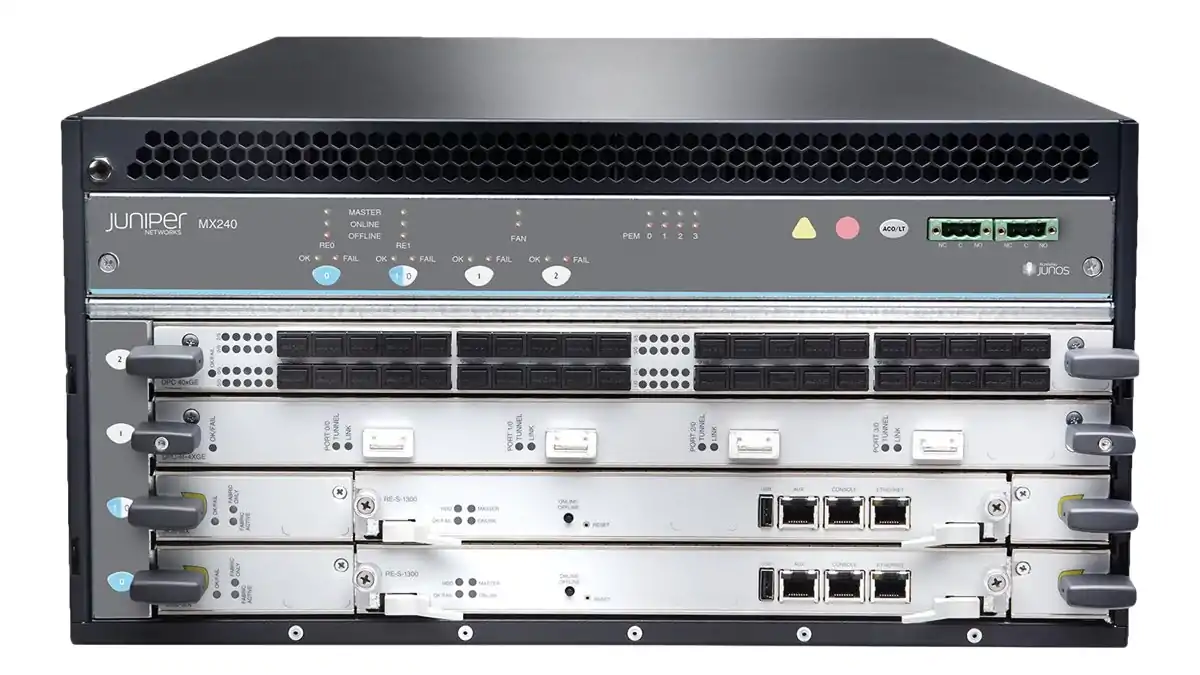
Basic Configuration of a Juniper Router
Learn the steps for the basic configuration of a Juniper router and the basic commands of JUNOS operating system, different from Cisco IOS.
-
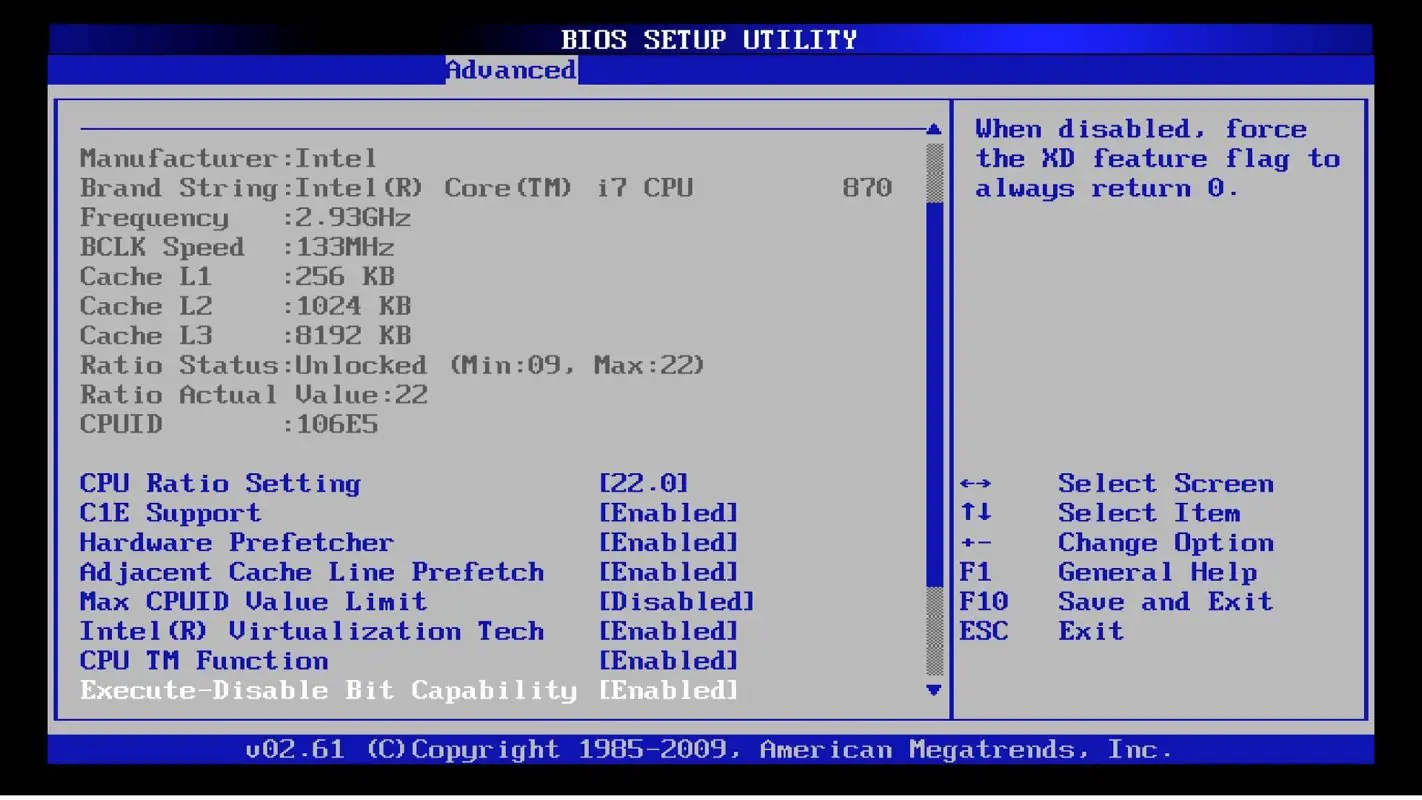
BIOS – Basic Input/Output System
BIOS is one key component of the computer motherboard. It stands for basic input/output system (BIOS).
-
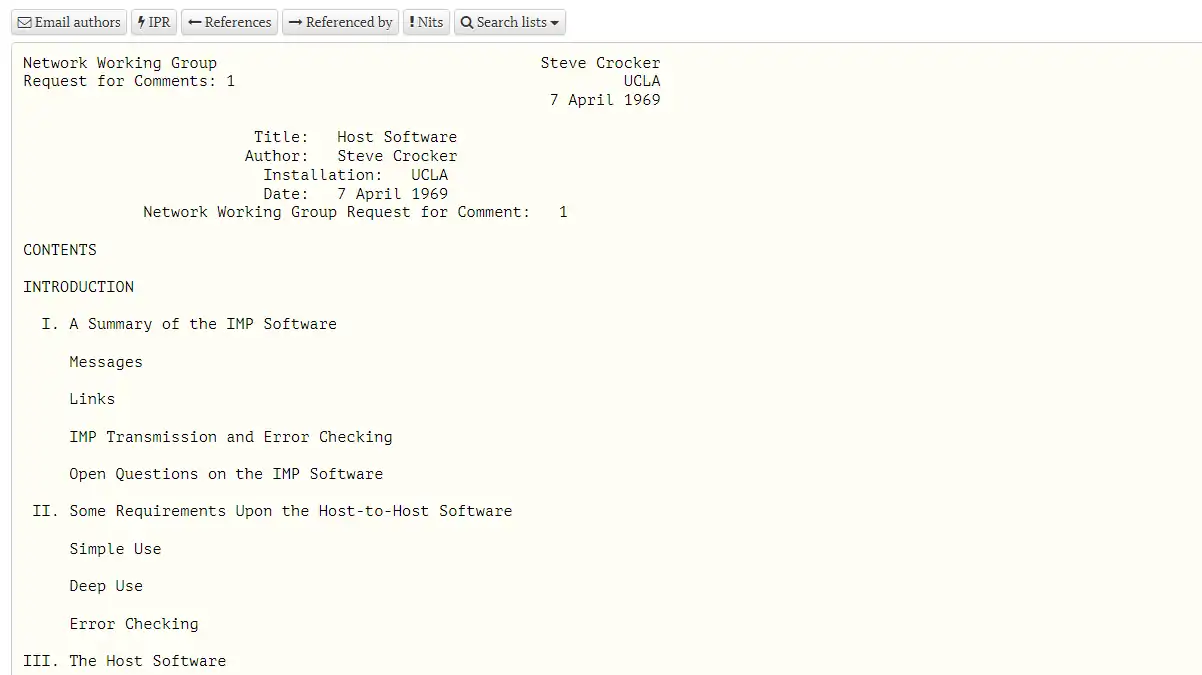
The First Request for Comments or RFC 1
On April 7, 1969, Steve Crocker a UCLA graduate student, wrote a technical document entitled “Host Software” and call that type of document “Request for Comments” to avoid sounding too declarative and to encourage discussion. Unlike the modern RFCs, the initial RFCs were actual requests for comments from the community.