
Our Latest Articles
-
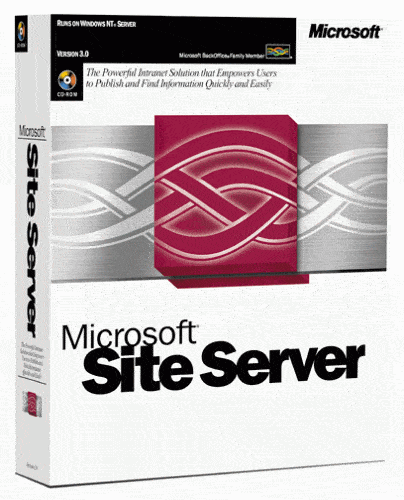
Knowledge Manager (Site Server)
Microsoft Site Server was a comprehensive Internet server for end-to-end management of enterprise-level Internet and intranet sites.
-

Key in a Relational Database
Key in a Relational Database is a column (attribute) or group of columns (attributes) used to uniquely identify records in a table of a relational database such as those created and managed by Microsoft SQL Server.
-

Keyboard Emulator
Discover the historical role of Keyboard Emulators in server management. Learn what they were, why they were essential, and how tech advancements have rendered them obsolete.
-
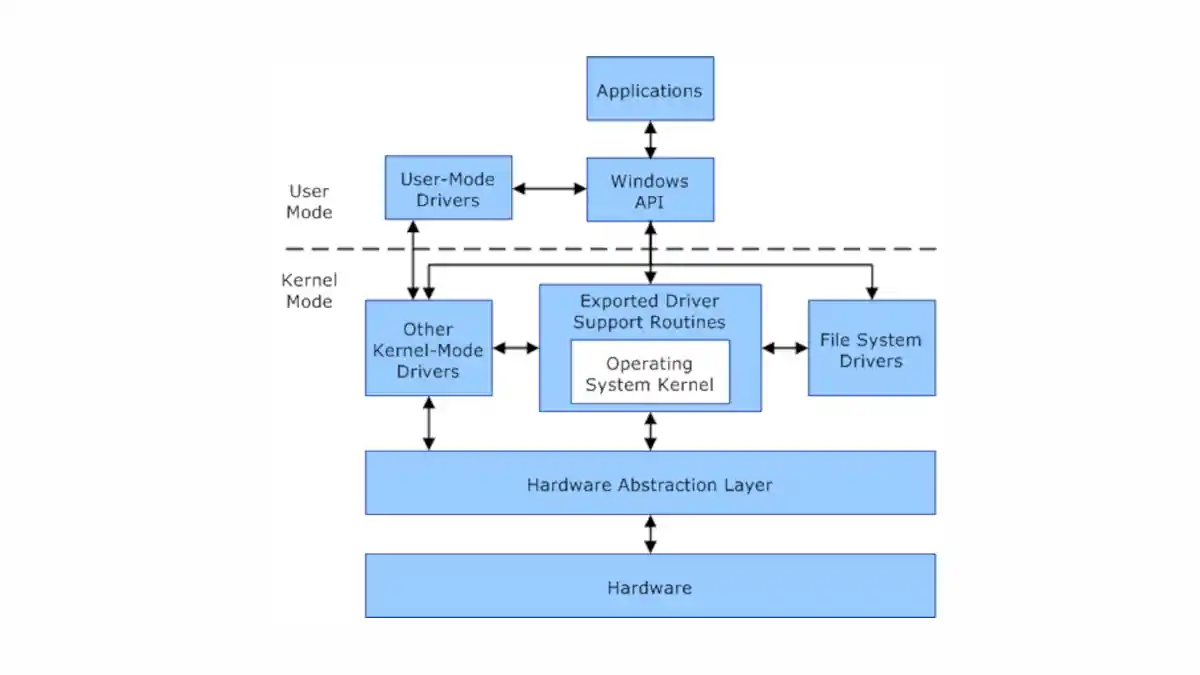
Kernel Mode
Unlock the mysteries of Kernel Mode in Windows OS. Learn its functionalities, differences from User Mode, and its role in system performance and security.
-
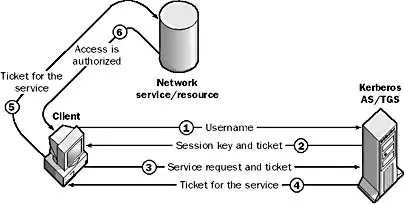
Kerberos v5 Security Protocol
Kerberos Protocol is a method of securely authenticating users’ requests for access to services on a network.
-

Keepalives: Enhancing Efficiency
Keepalives is a feature of Hypertext Transfer Protocol (HTTP) version 1.1 that minimizes the number of connections that Web browsers need to make to access content on Web servers.
-

Y Splitter in Networking: Expand Your Connections
Explore the essential role of Y Splitters in computer networking, from Ethernet to fiber optics, and how they expand connectivity options.
-
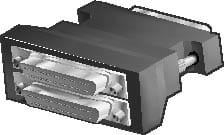
Y-connector
Dive deep into the utility and functionality of Y-connectors—adapters that bridge a single device to multiple outlets. Learn about various types such as RJ-11, SCSI, and more, as well as their advantages, limitations, and potential applications.
-

Y2K
Y2K, also called the year 2000 problem or the millennium bug (even though it is not actually a bug), is a computer problem that was expected to affect older hardware and software on January 1, 2000.
-
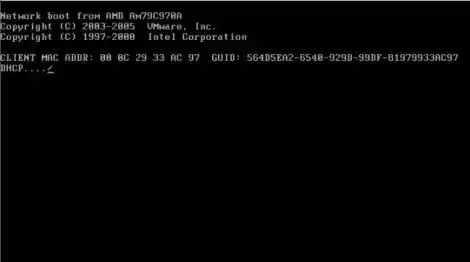
Remote Boot: A Comprehensive Guide
Discover the Remote Boot technology, its use cases, and how it differs from Local Boot. Ideal for tech enthusiasts and professionals alike. Learn also what the Remoteboot Service (Windows NT service) was.
-

Understanding RADIUS: Remote Authentication Dial-In User Service
RADIUS is a protocol for authentication, authorization, and accounting of remote access connections using dial-up networking and virtual private network (VPN) functionality.
-
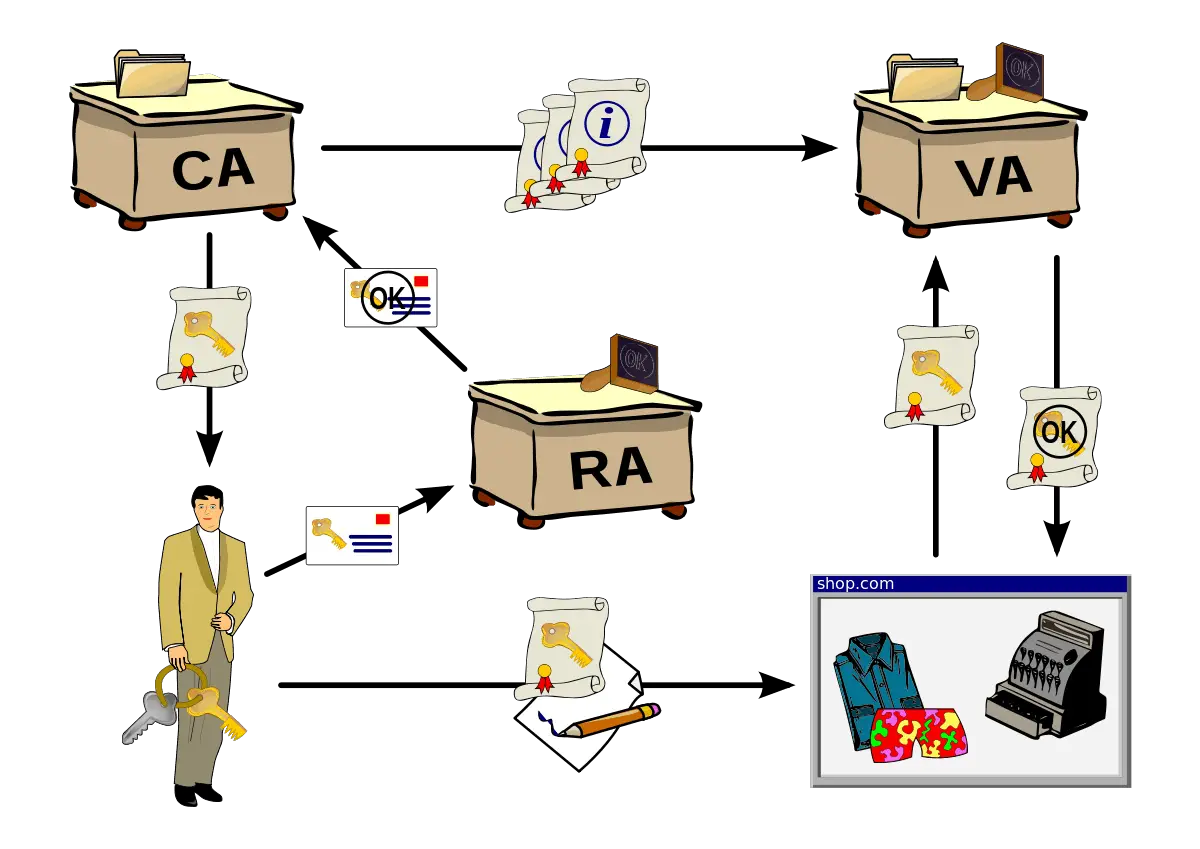
Registration Authority
Registration Authority is a company or organization that is responsible for receiving and validating requests for digital certificates and public/private key pairs.