
Category: A to Z
-
FTP service
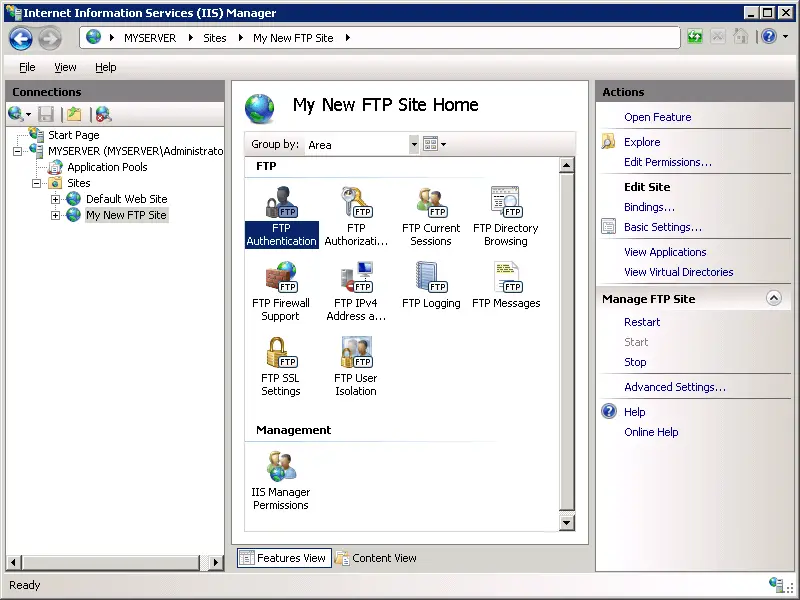
FTP service is a Microsoft Windows service on servers running Microsoft Internet Information Services (IIS). The FTP service supports the Internet standard File Transfer Protocol (FTP) and allows users to upload and download files between FTP clients and FTP servers such as IIS.
-
Orange Book
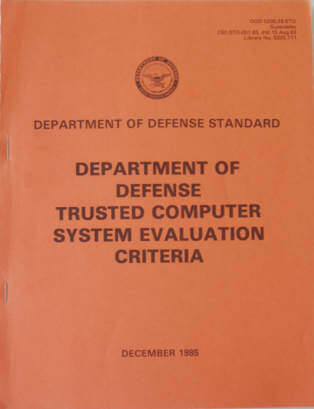
Orange Book is another name for the publication Trusted Computer Systems Evaluation Criteria (TCSEC), published by the National Computer Security Center (NCSC) of the U.S. Department of Defense.
-
Working Set
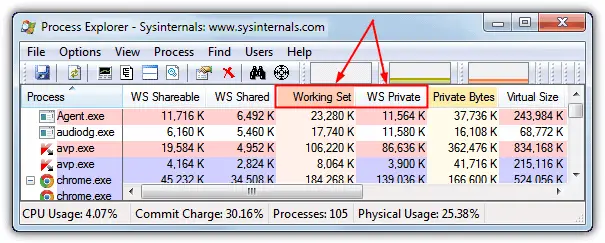
Explore the essentials of working sets, their impact on system performance, and tips for effective management.
-

HTTPS
HTTPS is a protocol developed by Netscape for secure transmission of Web content over the Internet. HTTPS is another name for Netscape’s implementation of the Secure Sockets Layer (SSL) protocol that functions as a subprotocol to the application layer (layer 7) protocol, Hypertext Transfer Protocol (HTTP).
-
Drain Wire
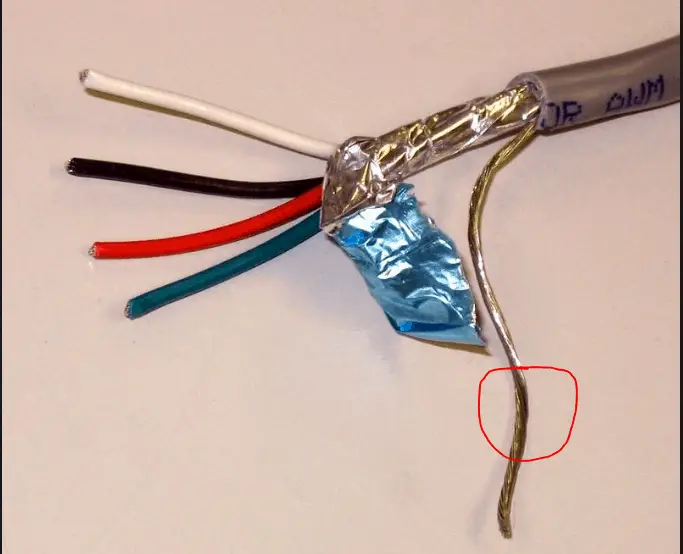
Drain Wire is an uninsulated wire included in shielded cabling that runs the length of some coaxial cabling or shielded twisted-pair (STP) cabling. The drain wire makes contact with the foil sleeve or mesh along the wire.
-
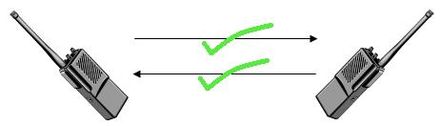
Duplex Communication
Duplex is a telecommunications term referring to bidirectional communication. In full-duplex communication, both stations send and receive at the same time, and usually, two communication channels are required. However, you can also achieve full-duplex communication using a multiplexing technique whereby signals traveling in different directions are placed into different time slots.
-
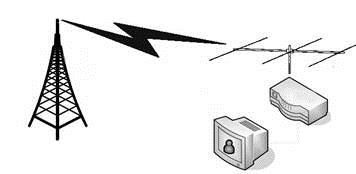
Simplex Communication
Unravel the intricacies of simplex communication in our comprehensive guide. Understand how it differs from duplex and half-duplex, and explore real-world applications.
-
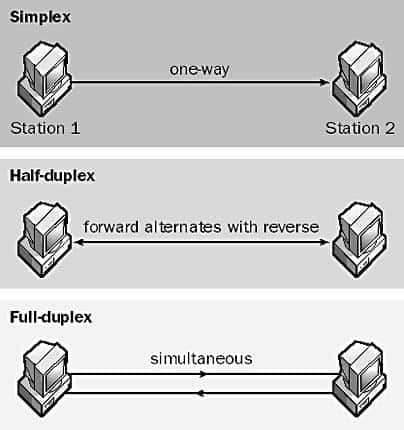
Full-Duplex: A Guide to Uninterrupted Communication
Explore the ins and outs of full-duplex networking, where seamless two-way communication redefines efficiency. Learn how it differs from simplex and half-duplex modes.
-
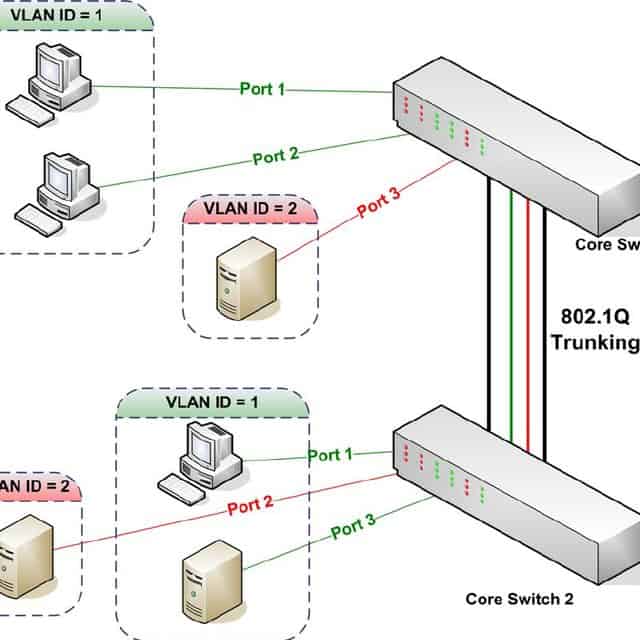
Trunking (computer networking)
Trunking, in switched ethernet networking, is any method of aggregating the physical network links into a single logical link. Trunking provides a way of overcoming the bandwidth limitations of a single physical link and is used in both switch-to-switch and switch-to-server connections to relieve traffic congestion.
-
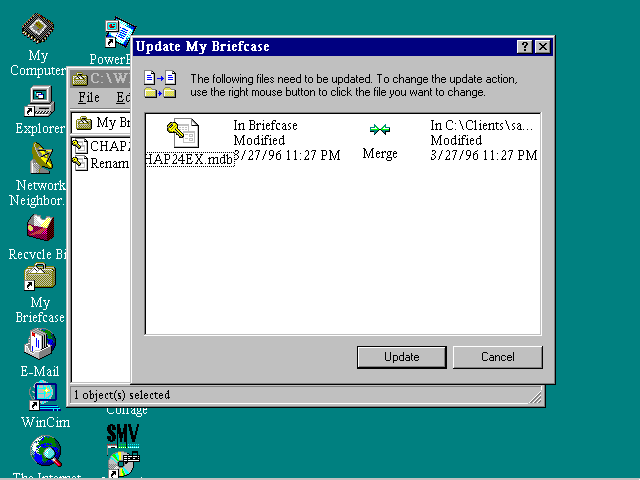
Briefcase (Microsoft Windows)
Briefcase was a feature of Microsoft Windows 95, Windows 98, Windows NT 4.0, and Windows 2000 that is typically used to enable mobile users to copy and synchronize files between a desktop and a portable computer so that they can easily copy and work on files at home or on the road without creating version…
-
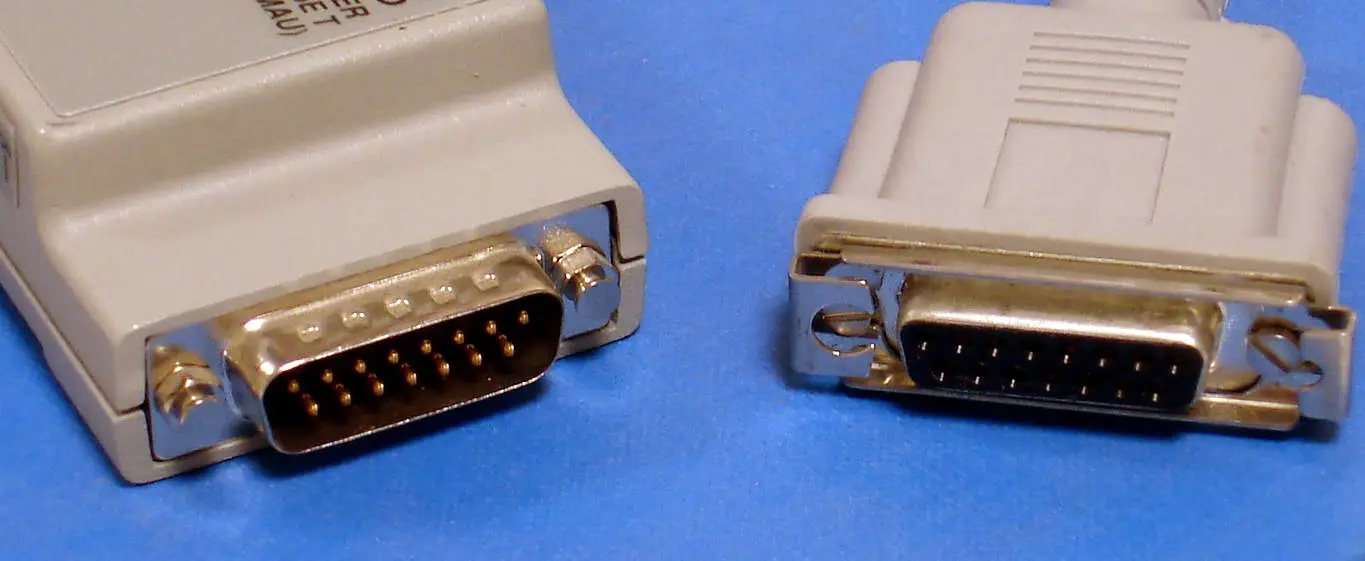
AUI Connector: Evolution, Legacy, and Modern Relevance
AUI is an acronym for Attachment Unit Interface connector, a standard 15-pin connector device for thicknet or 10Base5 cabling. The AUI connector on the free end of the drop cable attaches to the DB15 connector on the network interface card (NIC). The NIC has an AUI port connector for connecting the drop cable.
-
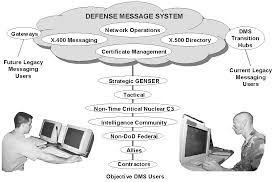
Defense Messaging System (DMS)
Defense Messaging System, also known as DMS, is a program established by the U.S. Undersecretary of Defense (Acquisition) to develop an integrated, global messaging system for transferring classified and unclassified data. The DMS will replace the existing Automatic Digital Network (AUTODIN) system currently in use by the U.S. Department of Defense.