
Category: Networking Fundamentals
-

Wide Area Network (WAN): Bridging Distances in the Digital World
Dive into the essentials of Wide Area Networks (WANs) – key to connecting distant networks and a cornerstone of global communication.
-
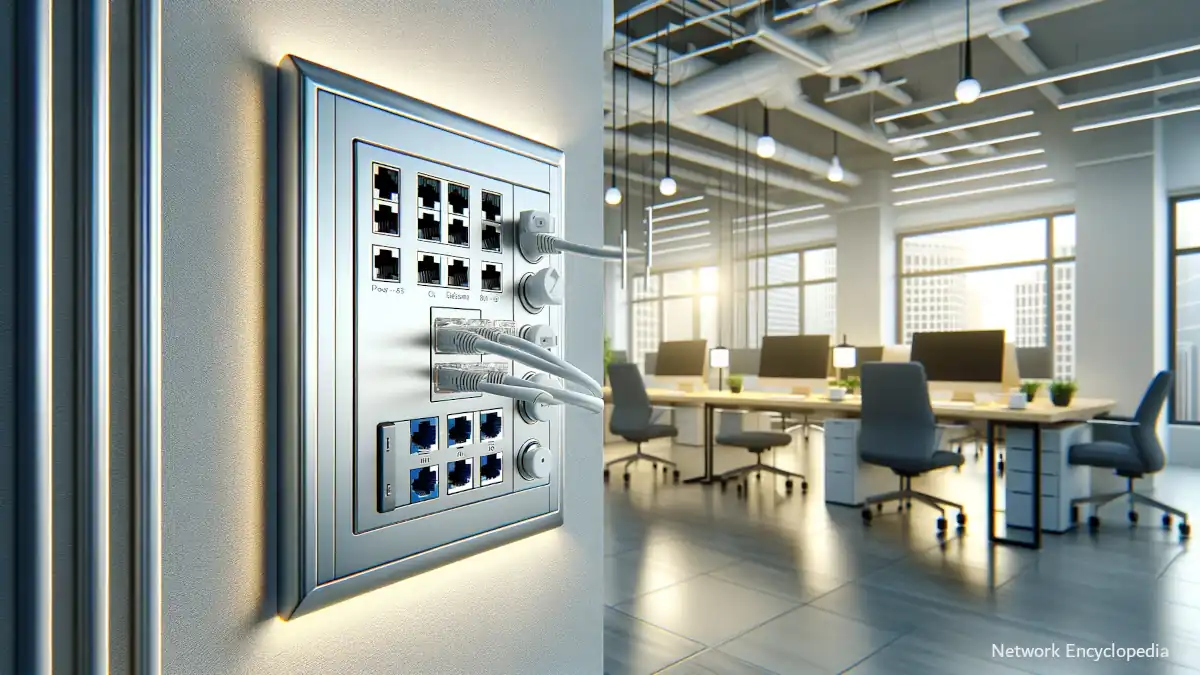
Wall Plates in Networking: An In-depth Guide
A wall plate serves as a vital component in networking, offering an aesthetically pleasing solution for connecting devices via RJ-45, coaxial, or fiber optic ports. Positioned on walls or furniture, these plates facilitate a seamless connection to the network infrastructure, merging functionality with design to support internet and communication services efficiently.
-

Understanding Network Hops: The Journey of Data Packets
Hop is the logical distance between networks based on the number of routers that must be traversed by packets sent between them.
-

Network Jack: The Essential Connector in Networking Infrastructure
JACK is a receptacle into which you can insert a connector or plug to form a connection.
-

H Channel (ISDN)
Explore the high-capacity world of H Channels in ISDN: Dive deep into their structure, functionality, and impact on digital communications
-

Half-Duplex Communication
In technical applications, half-duplex allows a device to send information and then switch to receive mode, similar to a walkie-talkie. When one person speaks, they press a button, and their message travels across a single channel.
-

Gateway in Networking: All You Need to Know
Unravel the varied meanings of ‘gateway’ in networking, from email gateways and default settings to SNA-TCP/IP links and X.25 connections. Discover their crucial roles in this detailed guide.
-
ARP Protocol: The Backbone of Network Communication
This article dives deep into the ARP Protocol, shedding light on its origins, mechanics, and its place in the modern networked world.
-

Wiring Closet
Wiring closet is also called an equipment room or server room (and various other names). It is a room on the floor of a building that contains hubs, switches, and other network components.
-
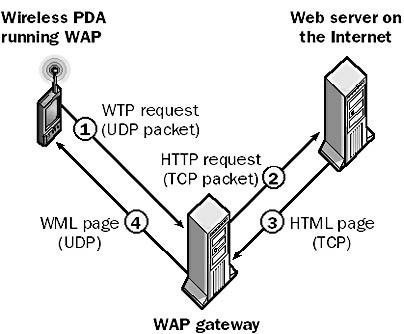
Wireless Application Protocol (WAP)
Wireless Application Protocol, or WAP, is a set of technologies developed by a consortium of mobile telephony equipment vendors that is designed to bring Web content to wireless handheld communication devices such as Personal Digital Assistants (PDAs) and mobile phones.
-

Serial Line Internet Protocol (SLIP)
SLIP is an industry-standard protocol developed in 1984 for UNIX environments that supports TCP/IP networking over serial transmission lines.
-
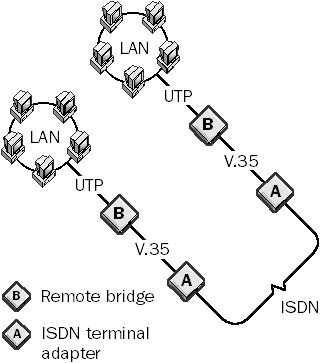
Remote Bridge: Bridging the Gap in Computer Networking
Discover the fundamentals of a Remote Bridge in computer networking, a vital technology for connecting geographically separated networks effectively.