
Category: Networking Fundamentals
-

Pass-Through Authentication
Pass-Through Authentication is a method of performing authentication to a domain controller that resides in a trusted domain.
-
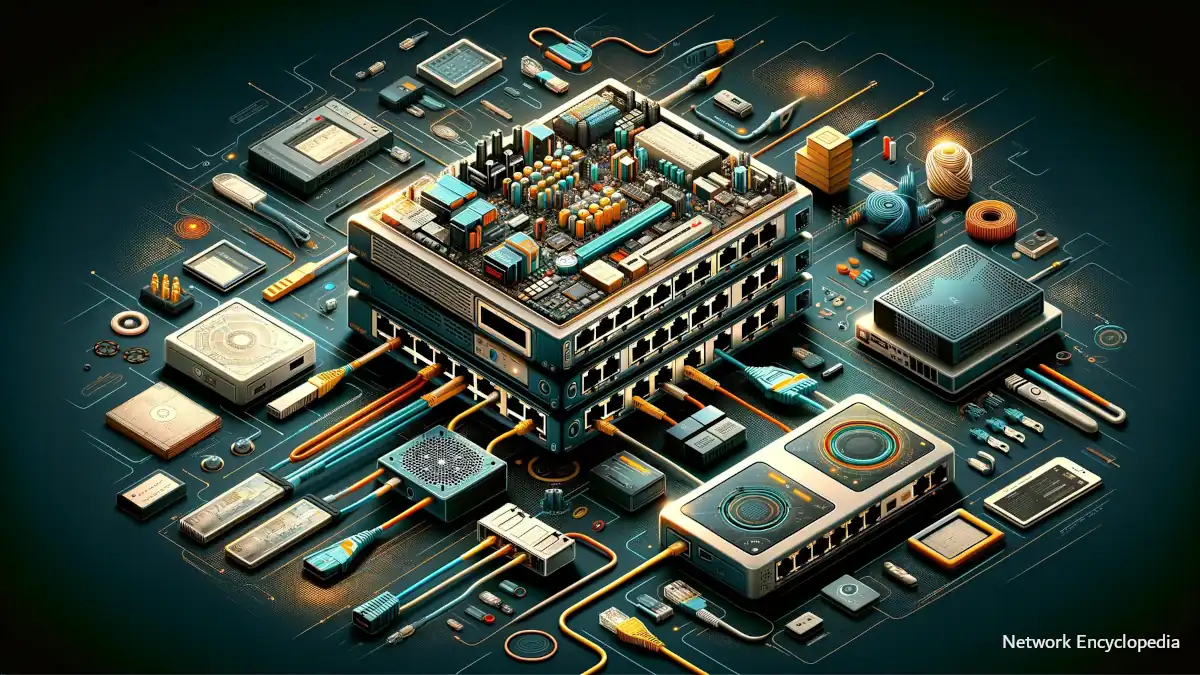
Media-Dependent Adapter (MDA): Modular Networking
MDA (Media-Dependent Adapter) is a module that can be inserted into a modular Ethernet switch to provide connectivity between different media types.
-

Line Coding
Line Coding is a method of placing digital signals on a wire.
-
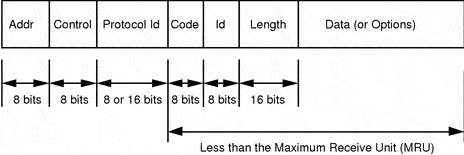
Link Control Protocol (LCP): Mastering PPP Link Management
Uncover the essentials of Link Control Protocol (LCP), a crucial subprotocol of PPP for effective network link management.
-

Layer 2 Forwarding (L2F)
L2F stands for Layer 2 Forwarding, is a media-independent tunneling protocol developed by Cisco Systems.
-
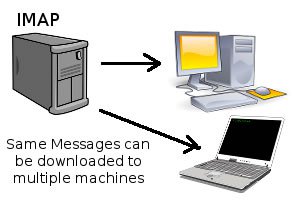
Internet Mail Access Protocol version 4 (IMAP4)
IMAP4 stands for Internet Mail Access Protocol version 4, is an Internet standard protocol for storing and retrieving messages from Simple Mail Transfer Protocol (SMTP) hosts.
-

Intermediary Device
Discover the pivotal role of intermediary devices in computer networks – key to facilitating effective and efficient data communication.
-
Interior Gateway Protocol (IGP)
Explore the essentials of Interior Gateway Protocol (IGP), its types, and applications in efficient network routing.
-

Handshaking (in Networking)
Handshaking is the process that establishes communication between two networking devices.
-
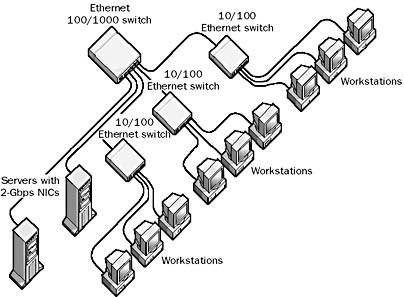
Gigabit Ethernet
Gigabit Ethernet is a type of Ethernet that allows the transmission of data at 1 Gbps (or 1000 Mbps) over both fiber-optic cabling and copper twisted-pair cabling.
-
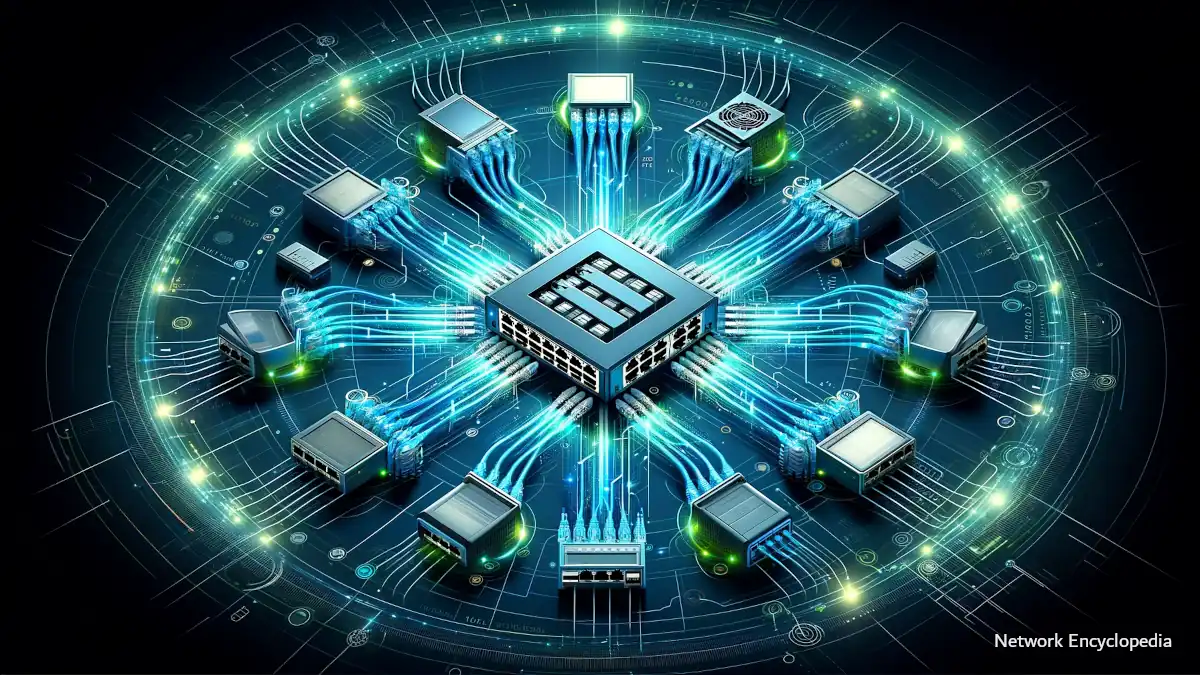
Full-Duplex Ethernet: Doubling Network Efficacy
Full-Duplex Ethernet is an emerging type of Ethernet that supports full-duplex communication between stations on the network.
-
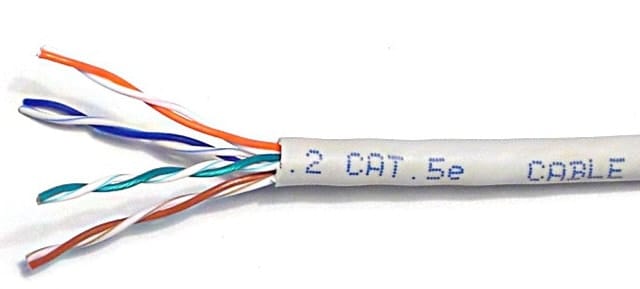
Enhanced Category 5 cabling
Enhanced Category 5 cabling, or CAT5E, is an informal cabling standard that some cable manufacturers use to refer to category 5 cabling that is capable of supporting transmission speeds faster than 100 Mbps.