
Category: Networking Fundamentals
-
EIA/TIA wiring standards
Uncover the essentials of EIA/TIA Wiring Standards, their role in shaping telecommunication networks, and how they define our digital connectivity.
-
Domain Forest
DOMAIN FOREST is a logical structure formed by combining two or more domain trees.
-
DNS Database
DNS Database is the collection of database files, or zone files, and associated files that contain resource records for a domain.
-

DNS Client: Navigating the Digital Sea
DNS Client is a client machine configured to send name resolution queries to a DNS server. A DNS client is also called a resolver. When a client needs to resolve a remote host’s name into its IP address, it sends a request to the DNS server, which returns the IP address of the remote host.…
-
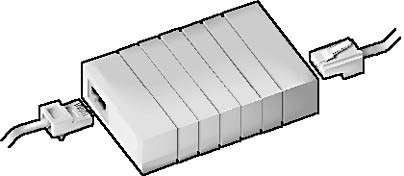
Network Coupler
Discover everything you need to know about network couplers. From types like RJ-11 and RJ-45 to their advantages, disadvantages, and alternatives, this guide covers it all.
-

Understanding the CHAP Protocol: Challenge Handshake Authentication Protocol
Challenge Handshake Authentication Protocol, or CHAP, is an encrypted authentication scheme in which the unencrypted password is not transmitted over the network.
-
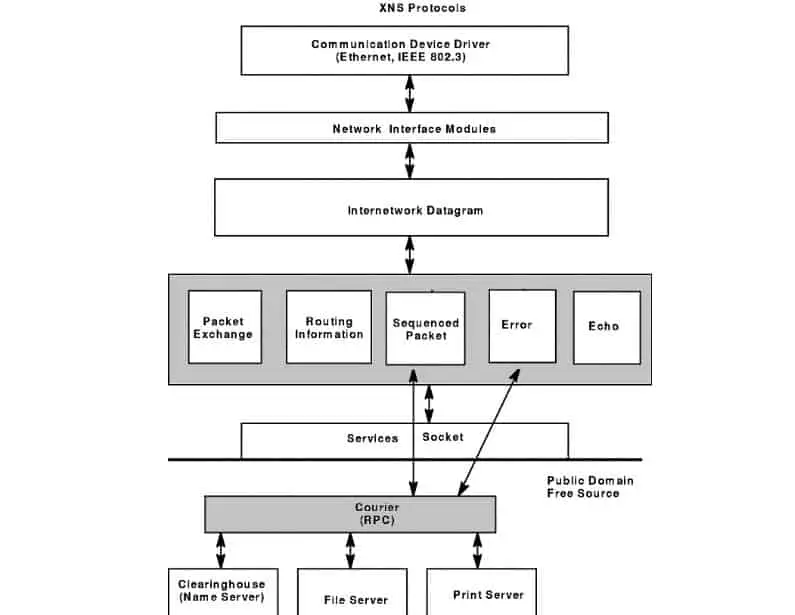
Xerox Network Systems (XNS)
Xerox Network Systems is a suite of networking protocols developed by Xerox Corporation’s Palo Alto Research Center (PARC) in the early 1980s.
-
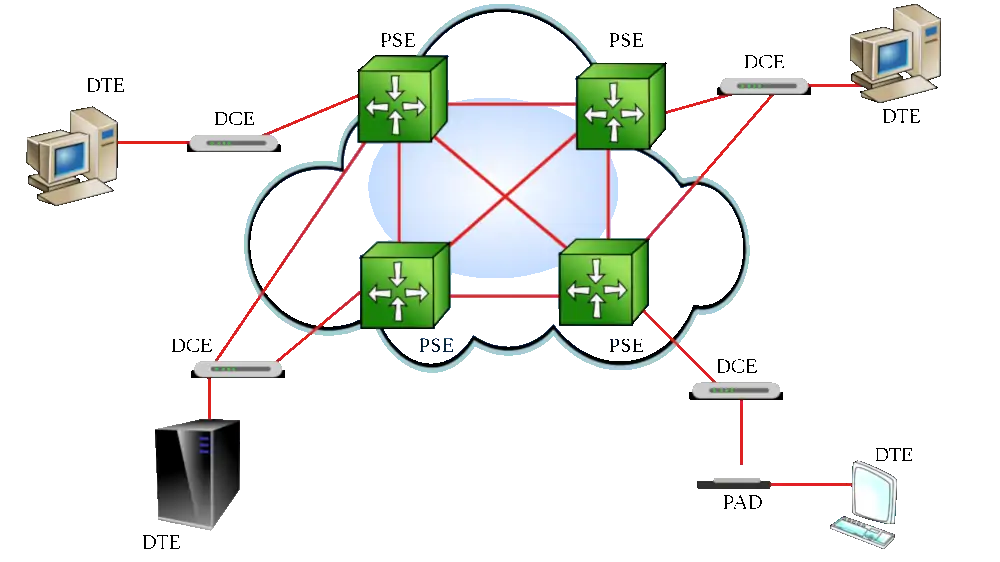
X.25 Protocol
X.25 is a packet-switching protocol for wide area network (WAN) connectivity that uses a public data network (PDN) that parallels the voice network of the Public Switched Telephone Network (PSTN).
-

Virtual Circuit: Bridging Nodes in the Digital Age
Virtual Circuit is a logical path between nodes in a network, typically a telecommunications network.
-

TDMA Explained: From Basics to 5G Evolution
Time Division Multiple Access, or TDMA, is a cellular phone technology based on time-division multiplexing (TDM) techniques.
-
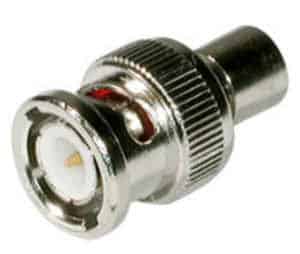
Terminator
Terminator is a device connected to one end of a bus or cable that absorbs signals. Terminators prevent signal reflection, which can produce interference that causes signal loss.
-
TCP Three-Way Handshake: A Comprehensive Guide
TCP three-way handshake is a method of initializing a Transmission Control Protocol (TCP) session between two hosts on a TCP/IP network.