
Category: Networking Fundamentals
-

Exterior Gateway Protocol (EGP): Navigating Complex Networks
EGP, or Exterior Gateway Protocol, is a type of routing protocol used to distribute routing information between different autonomous systems in large internetworks based on the TCP/IP protocol.
-

Electronic Industries Alliance (EIA)
EIA was the main trade organization representing the U.S. high-tech community. The Electronic Industries Alliance (EIA) was founded in 1924 as the Radio Manufacturers Association.
-
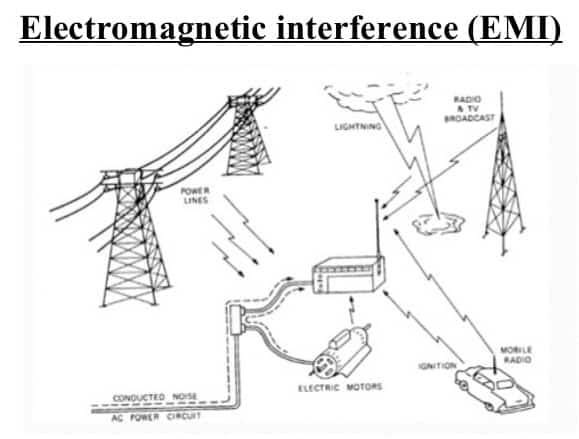
Electromagnetic Interference (EMI)
EMI, Electromagnetic Interference, is electrical noise induced in cabling by the presence of nearby electrical equipment such as motors, air conditioners, fluorescent lights, and power lines.
-
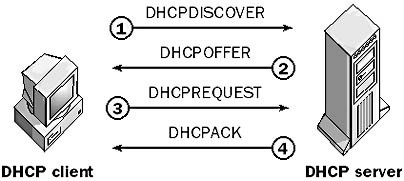
Dynamic Host Configuration Protocol (DHCP)
Master the ins and outs of DHCP with our definitive guide. From basic configurations to advanced features, become a DHCP pro today!
-

DS0: Digital Signal Zero
Dive into the digital world of DS0! Uncover the secrets of this 64 Kbps powerhouse shaping telecommunications. Click to explore now!
-
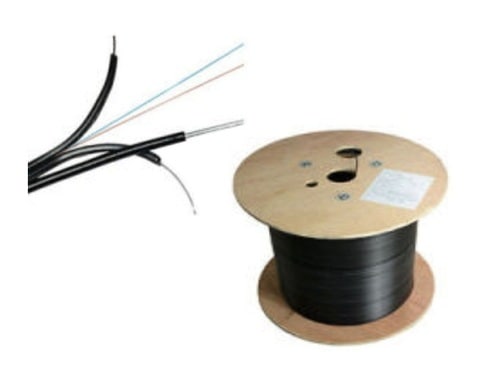
Drop Cable: The Essential Link in Network Connectivity
Explore the meaning and significance of drop cable in networking – from basic definitions to installation techniques and use cases.
-

Destination Address: An Essential Guide
Destination Address is the address to which a frame or packet of data is sent over a network.
-

Decoding Customer Premises Equipment (CPE): A Comprehensive Guide
This guide will explore the diverse world of CPE, its types, functionalities, and the significant role it plays in modern telecommunications networks.
-
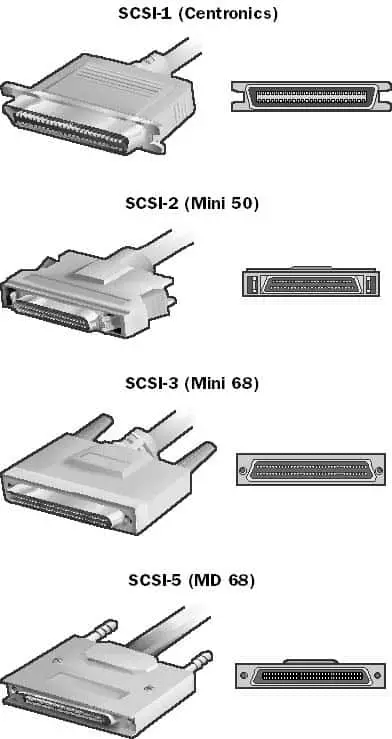
Small Computer System Interface (SCSI)
SCSI stands for Small Computer System Interface, is a hardware bus specification for connecting peripherals to a computer using a parallel transmission interface.
-
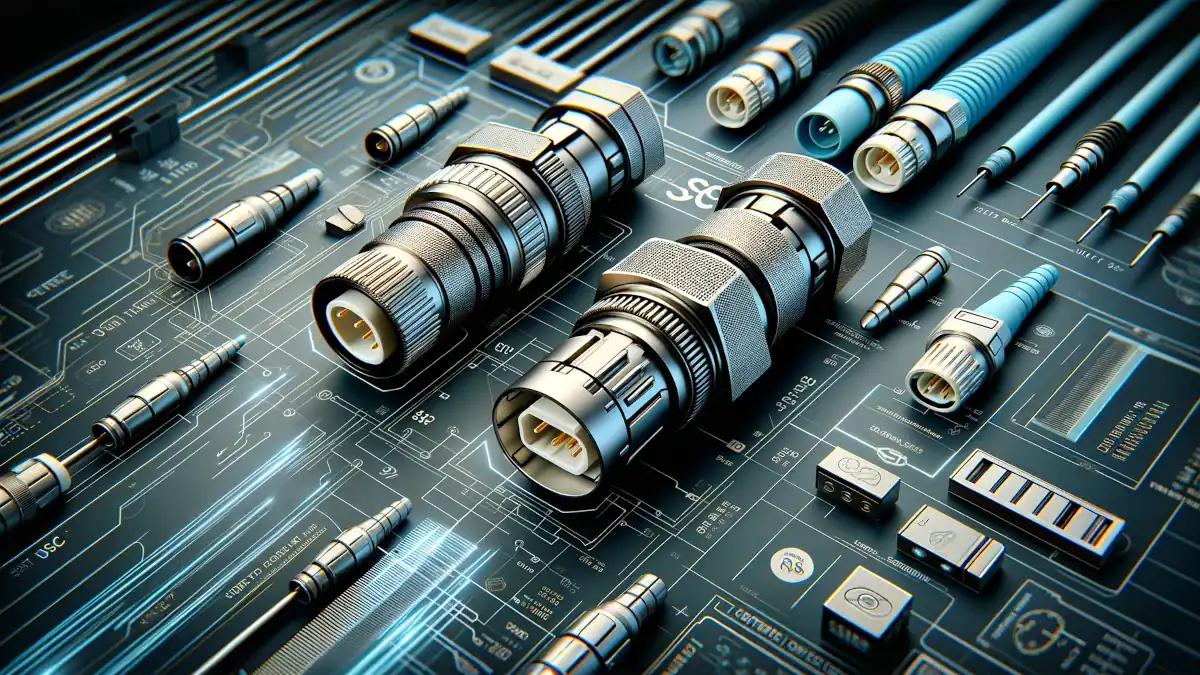
SC and ST connectors
SC/ST connectors are used for connecting fiber-optic cabling to networking devices. SC stands for subscriber connector and ST stands for straight tip. See the full article to find more.
-
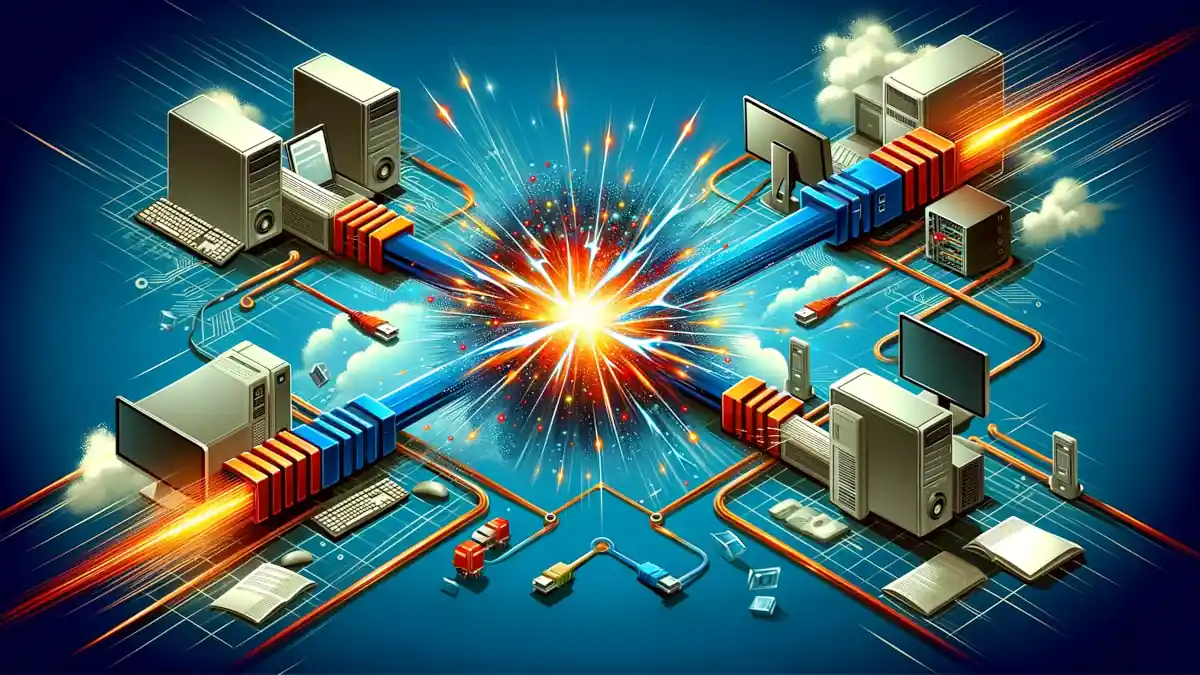
Collision in computer networking
Collision, in computer networking, is a condition that occurs when two or more computers on a network try to transmit signals at the same time.
-
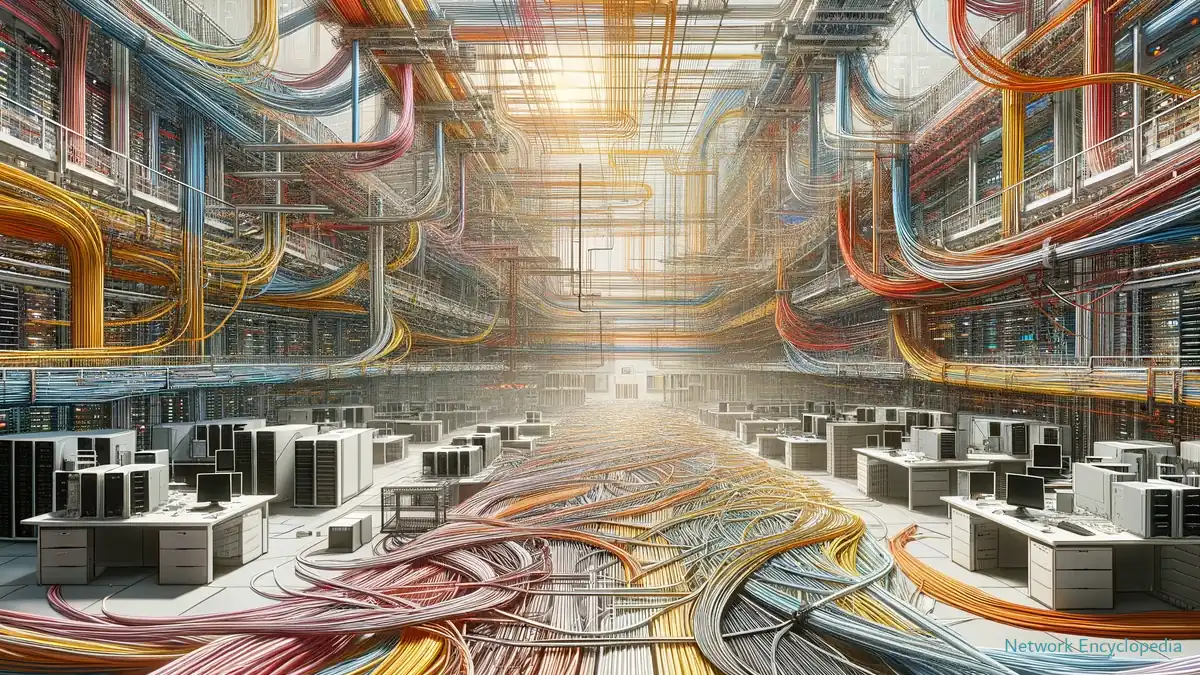
Cable Run: The Backbone of Network Infrastructure
A cable run represents the length of cable that connects two distinct network components within a facility, enabling communication and data transfer between devices that are not immediately adjacent.