
Category: Networking Fundamentals
-

Understanding Time-Division Multiplexing: The Backbone of Efficient Communications
Time-Division Multiplexing (TDM) is a foundational technology in telecommunications that optimizes the use of bandwidth by dividing a single physical communication channel into multiple time slots.
-
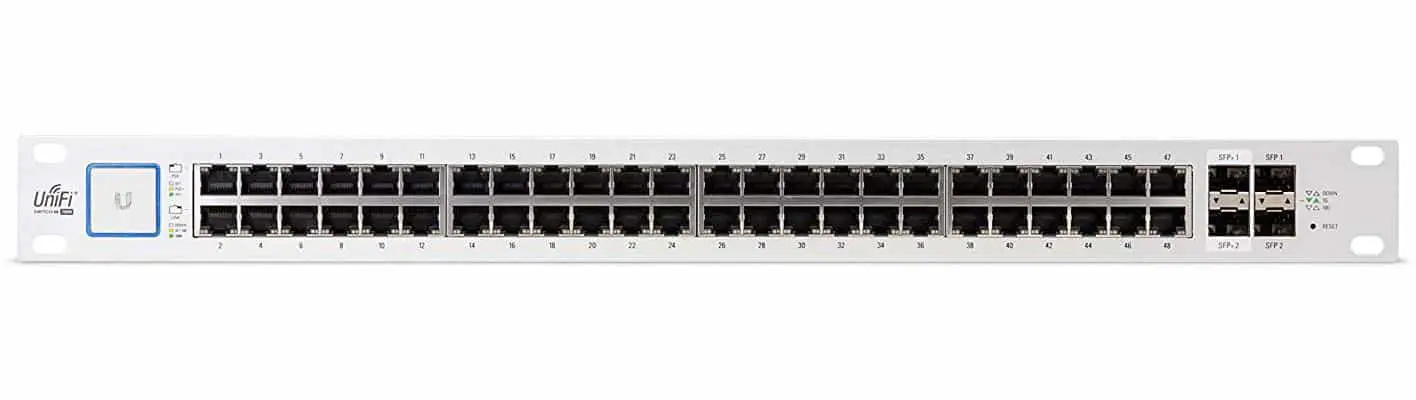
Ethernet Switch
Sometimes simply called a switch (when referring to Ethernet networking hardware), a networking component used to connect workgroup hubs to form a larger network or to connect stations that have high bandwidth needs.
-
Switch
Switch is any device that can control the flow of electrical signals. A number of special-purpose switches are used in networking.
-
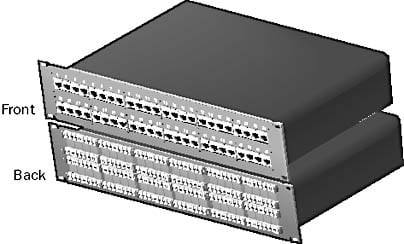
Patch Panel
Patch Panel is a rack-mounted panel with a series of connectors that provides a branching-out point for network cabling to leave the wiring closet and make horizontal runs to wall plates in the work areas.
-
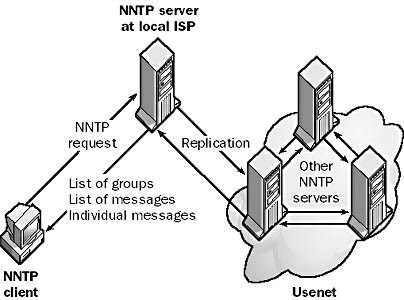
Network News Transfer Protocol (NNTP)
NNTP stands for Network News Transfer Protocol is an Internet standard protocol that governs the interaction between Network News Transfer Protocol (NNTP) servers (news servers) and NNTP clients (news readers).
-

Network Frame
Explore the essentials of network frames: their structure, role in data transmission, and pivotal function in the OSI Model’s data-link layer.
-
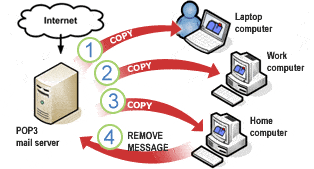
Post Office Protocol version 3 (POP3)
Explore the ultimate guide to POP3: Post Office Protocol version 3. Learn about its history, functionality, advantages, disadvantages, and more!
-
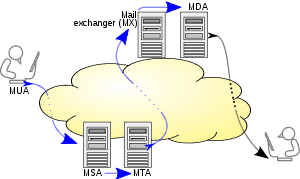
Simple Mail Transfer Protocol (SMTP)
Simple Mail Transfer Protocol is a standard application-layer protocol for delivery of e-mail over a TCP/IP internetwork such as the Internet.
-

Channel Service Unit (CSU) Unraveled
Channel Service Unit or CSU is a digital communication device that is used to connect a digital line to a digital device.
-

Copper Cabling
n the vast universe of networking, the arteries that keep the data flowing are often made of a familiar, yet crucial material: copper cabling. But what makes copper cabling the backbone of so many networks?
-

Coaxial Cable: Structure, Types, and Applications
Coaxial Cabling is a form of network cabling used primarily in older Ethernet networks and in electrically noisy industrial environments.
-

Cat 4 Cable: Tracing the Legacy of a Networking Milestone
Cat 4 or Category 4 Cabling is the fourth-lowest grade of unshielded twisted-pair (UTP) cabling. Category 4 cabling was designed to support digital voice and data communication at speeds up to 16 Mbps.