
The Editorial Team is a collective of technology enthusiasts, computer network engineers, and industry professionals dedicated to creating meticulously curated content for a diverse readership. With a combined experience spanning several decades, our team distills complex technology topics into clear, informative articles. Whether it’s networking fundamentals, cutting-edge AI insights, or in-depth guides on blockchain technology, the Editorial Team strives to provide reliable information that advances the understanding of technology for everyone from students to seasoned professionals.

Editorial Team’s mission
The Editorial Team’s mission extends beyond mere reporting; we aim to be the architects of understanding, constructing bridges over the rivers of jargon and complexity. From the foundational bricks of networking to the ever-evolving skies of cloud computing, we guide you through the technological labyrinth.
We take pride in our meticulous attention to detail and our unwavering commitment to accuracy, ensuring that each piece of information is a thread in the vast tapestry of technological knowledge. As we chart the course through the evolving landscape of technology, we invite our readers to join us on this exhilarating journey of discovery and growth. Together, we not only explore the current terrain of technology but also anticipate the horizons of tomorrow’s innovations.
Our Latest Articles
-
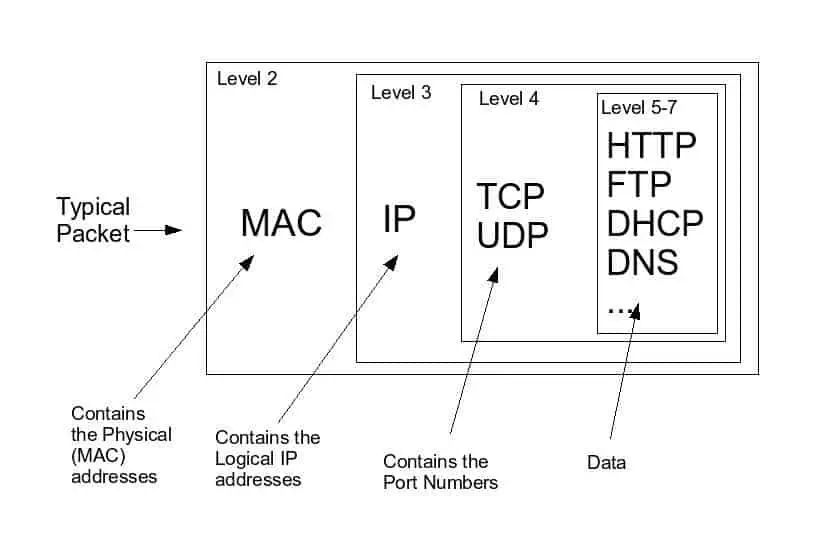
Network Packet
A Network Packet is the fundamental unit of information transmitted over a network or over a digital communication link.
-
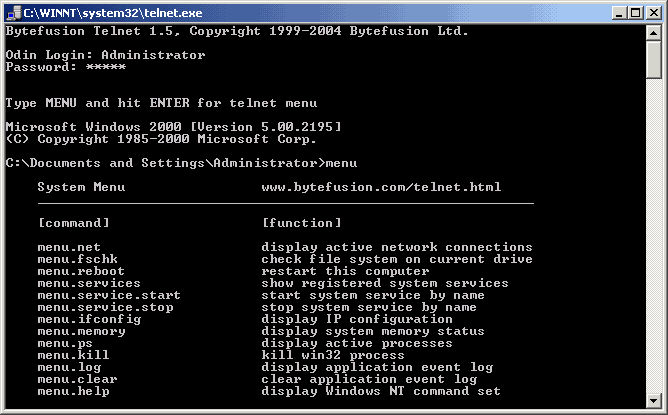
Telnet
Telnet is a standard TCP/IP protocol for running programs on remote hosts. The term “telnet” also refers to the software (client or server component) that implements this protocol on a particular platform or system.
-

Mesh Topology
Mesh Topology is a network topology in which additional networking components are used to provided redundant data paths.
-
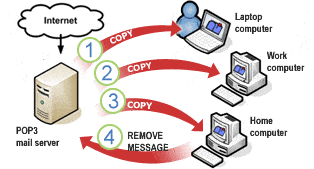
Post Office Protocol version 3 (POP3)
Explore the ultimate guide to POP3: Post Office Protocol version 3. Learn about its history, functionality, advantages, disadvantages, and more!
-
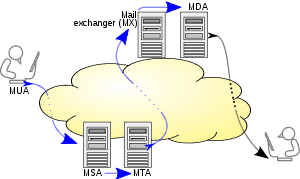
Simple Mail Transfer Protocol (SMTP)
Simple Mail Transfer Protocol is a standard application-layer protocol for delivery of e-mail over a TCP/IP internetwork such as the Internet.
-

Channel Service Unit (CSU) Unraveled
Channel Service Unit or CSU is a digital communication device that is used to connect a digital line to a digital device.
-
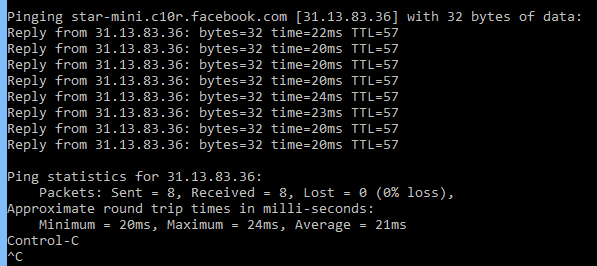
ping
Unlock the secrets of the Ping command—a must-know tool for network diagnostics. Learn how it works, options, examples, security risks, and alternatives.
-
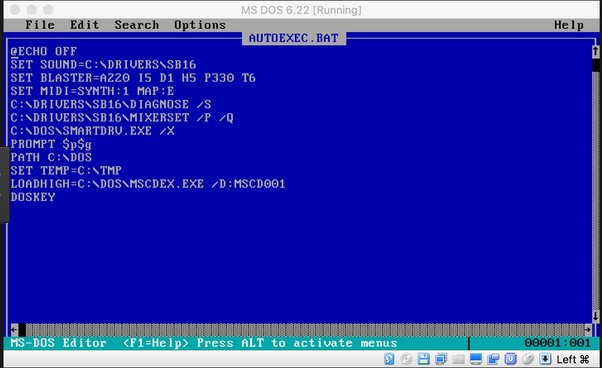
autoexec.bat
Autoexec.bat is a batch file used by the MS-DOS and Microsoft Windows 3.1 operating systems.
-
Config.sys
Config.sys is a text file used by MS-DOS and 16-bit versions of Microsoft Windows that is used to configure computer hardware at startup.
-

Internet Relay Chat (IRC)
Unlock the world of IRC: Internet Relay Chat. Discover its history, functionality, and why it’s still relevant today. Your complete guide to IRC.
-

Internet
The Internet is the global TCP/IP public internetwork that originated in the ARPANET project of the U.S. Department of Defense in the 1970s.
-
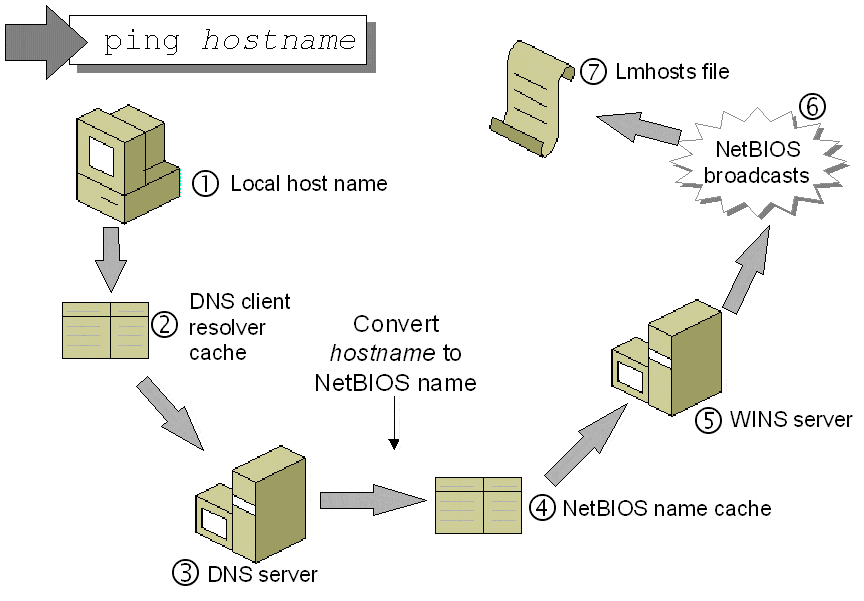
Name Resolution
Name Resolution is the process of resolving the name of a computer on a network into its network address.