
Category: A to Z
-
Caching Array Routing Protocol (CARP)
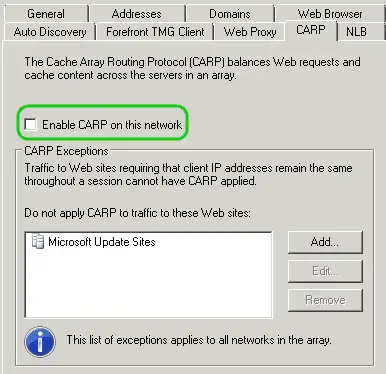
Caching Array Routing Protocol, also known as CARP, is a protocol developed by Microsoft and implemented in Microsoft Proxy Server that allows multiple proxy servers to be arrayed as a single logical cache for distributed content caching.
-

NetWare Protocols
NetWare protocols are the group of protocols developed for and specific to the Novell NetWare network operating system (NOS); popularized in NetWare versions 2 and 3. Some of the networking architecture of NetWare protocols evolved from the Xerox Network Systems (XNS) created in the late 1970s.
-

Novell NetWare: The Pioneering Network Operating System of the 1980s
NetWare was a network operating system from Novell that wass widely used in local area networks (LANs). NetWare was created by Novell in the early 1980s.
-

Windows 98
Windows 98 was Microsoft’s upgrade for users of Windows 95 and earlier versions of Microsoft Windows operating systems. With the code name Memphis, Windows 98 was released on June 25, 1998. Like its predecessor W95, Windows 98 was a hybrid 16-bit and 32-bit product with the boot stage based on MS-DOS. Windows 98 new features…
-
Navigating Switched Virtual Circuits: The SVC Guide
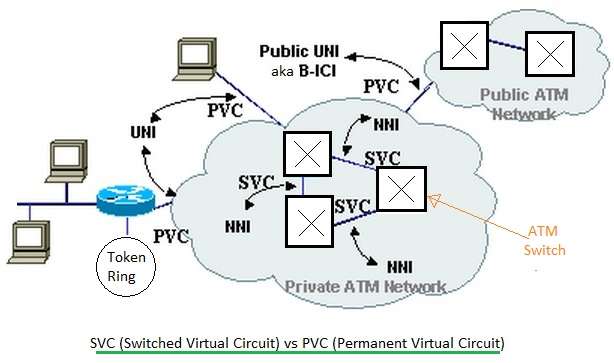
Switched Virtual Circuit, also known as SVC, is a form of telecommunications service that provides a path between two nodes in a packet-switched network.
-
Latency
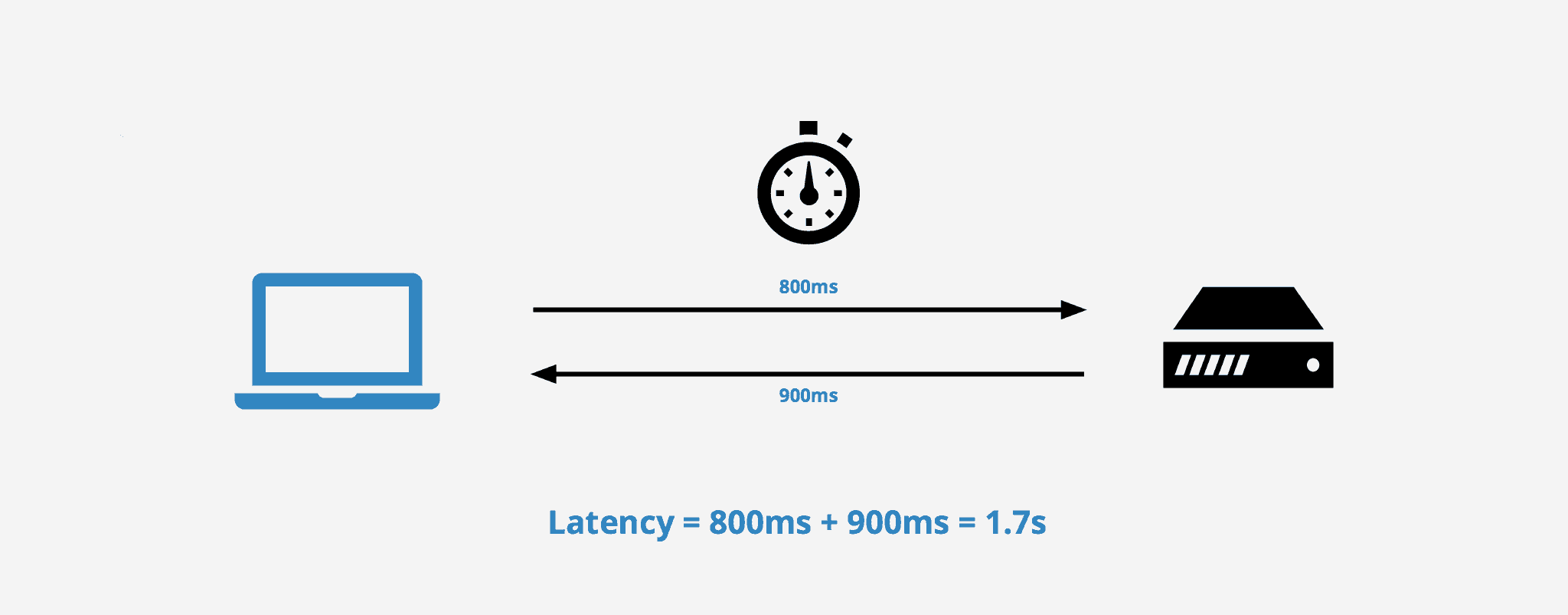
In this article we delve deeper into what latency is, its implications, its primary causes, and potential solutions.
-

Packet Switching Explained: How the Internet Moves Data (And Why It Works So Well)
What makes the Internet scalable, resilient, and efficient? Packet switching is the answer. In this deep technical guide, we break down how packets move, how networks share bandwidth, and why this model replaced circuit switching in data networks.
-
TFTP (Trivial File Transfer Protocol)
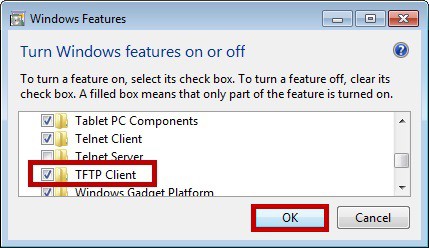
Explore TFTP: A concise guide to Trivial File Transfer Protocol, its functions, implementations, and modern network applications.
-
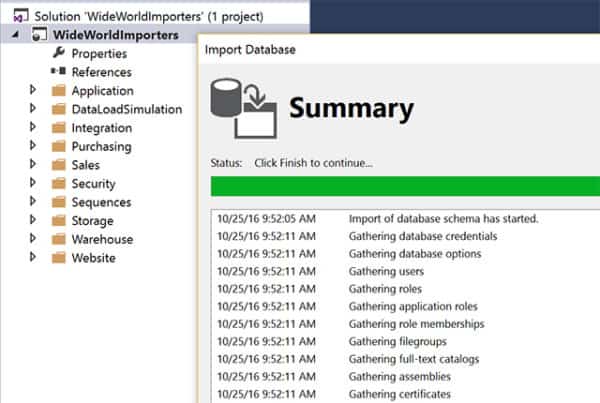
SQL Server Tools
SQL developer tools Azure Data Studio Azure Data Studio is a cross-platform database tool for data professionals using the Microsoft family of on-premises and cloud data platforms on Windows, MacOS, and Linux. Previously released under the preview name SQL Operations Studio, Azure Data Studio offers a modern editor experience with IntelliSense, code snippets, source control…
-

Hub
Hub also called a repeater hub, is the basic networking component used in traditional 10-Mbps Ethernet networks to connect network stations to form a local area network (LAN).
-

UDP Protocol: How the Internet Moves at Real-Time Speed
UDP (User Datagram Protocol) is a lightweight transport protocol designed for speed and efficiency. Learn how it works, when to use it, and why it powers real-time Internet applications.
-
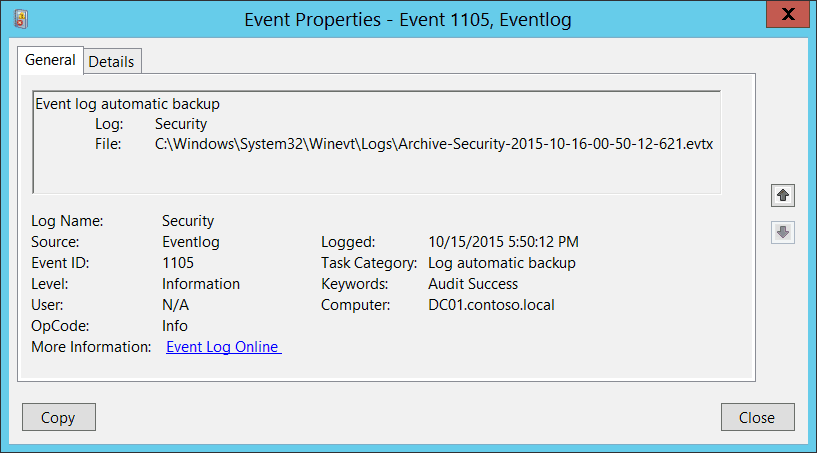
Security Log
Unravel the intricacies of the Windows OS Security Log. Explore its importance within the Event Viewer, alongside the System and Application Logs, and understand its role in bolstering system security.