
Category: A to Z
-
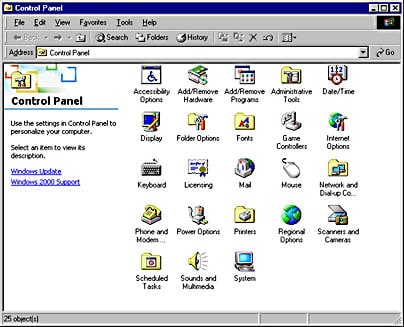
Control Panel
Control Panel is a Microsoft Windows feature consisting of a number of utilities for configuring hardware devices and operating system services.
-

Offline Browsing: Navigating Without Connectivity
Explore the journey of Offline Browsing from Internet Explorer’s feature to modern solutions, and understand its relevance in today’s digital world.
-
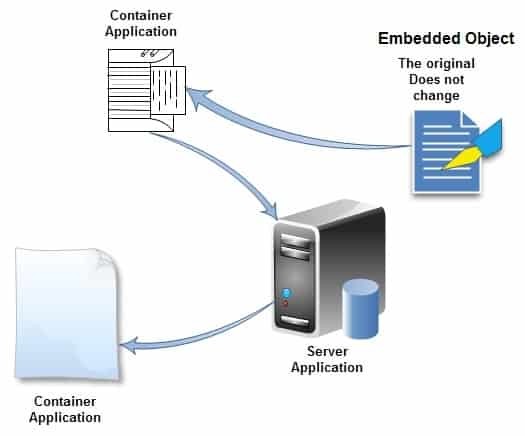
Object Linking and Embedding (OLE)
OLE stands for object linking and embedding, is a feature that allows users to create and edit documents that contain objects created by different applications.
-
OLE
OLE is a low-level object-oriented technology based on the Component Object Model (COM) that provides services to applications for creating compound documents.
-
Microsoft Windows
Microsoft Windows is a family of operating systems with a common graphical user interface (GUI) that lies at the core of Microsoft’s strategy to make PCs easier to use, reduce the cost of PC ownership, advance the PC platform, and integrate PCs with the Internet.
-
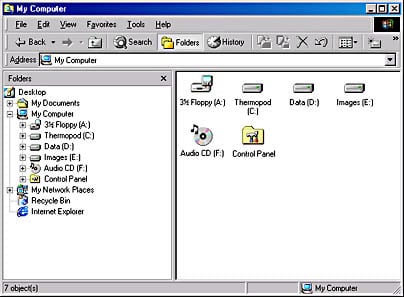
Windows Explorer: Navigating Through Windows’ Evolution to File Explorer
Discover what Windows Explorer is, how it functions, its historical journey from inception to becoming File Explorer in Windows 10, and its integral role in file management.
-

Fault Tolerance
Discover the world of fault tolerance in computing. Learn how systems stay resilient through redundancy, replication, and more!
-
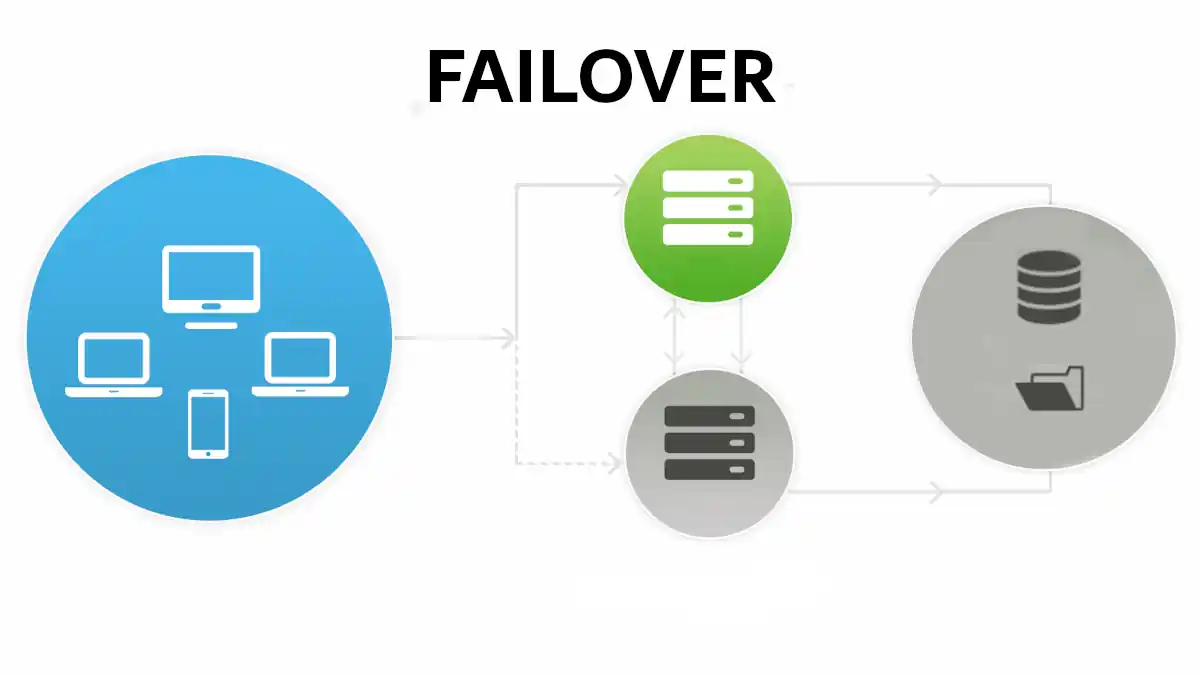
Failover
Discover the mechanics of failover in computing. From types and configurations to real-world applications, get the ultimate guide on failover systems.
-
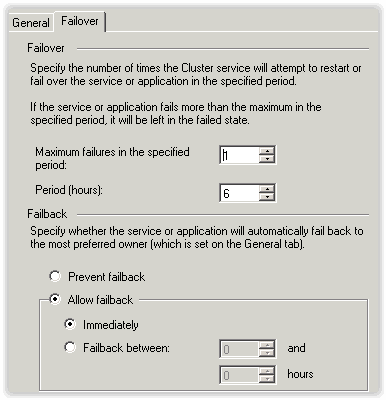
Failback
Unlock the complexities of Failback in computer networking. Explore definitions, technical mechanisms, and best practices. Your guide to system resilience.
-
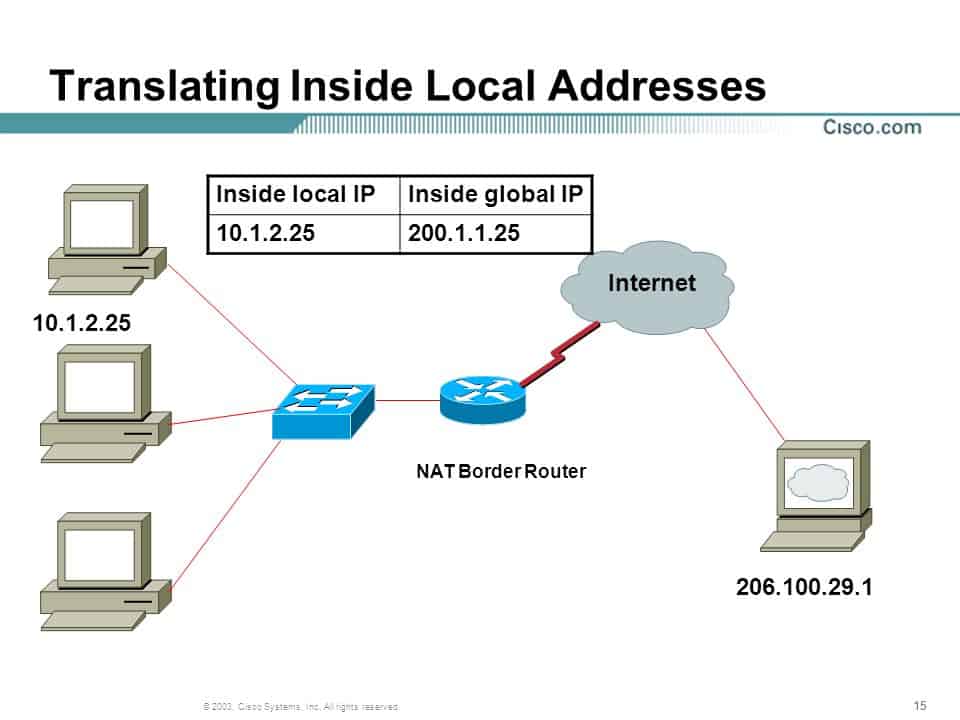
Local Address
Local Address is the address that a computer on a TCP/IP network uses to access another computer on the same subnet of the network.
-
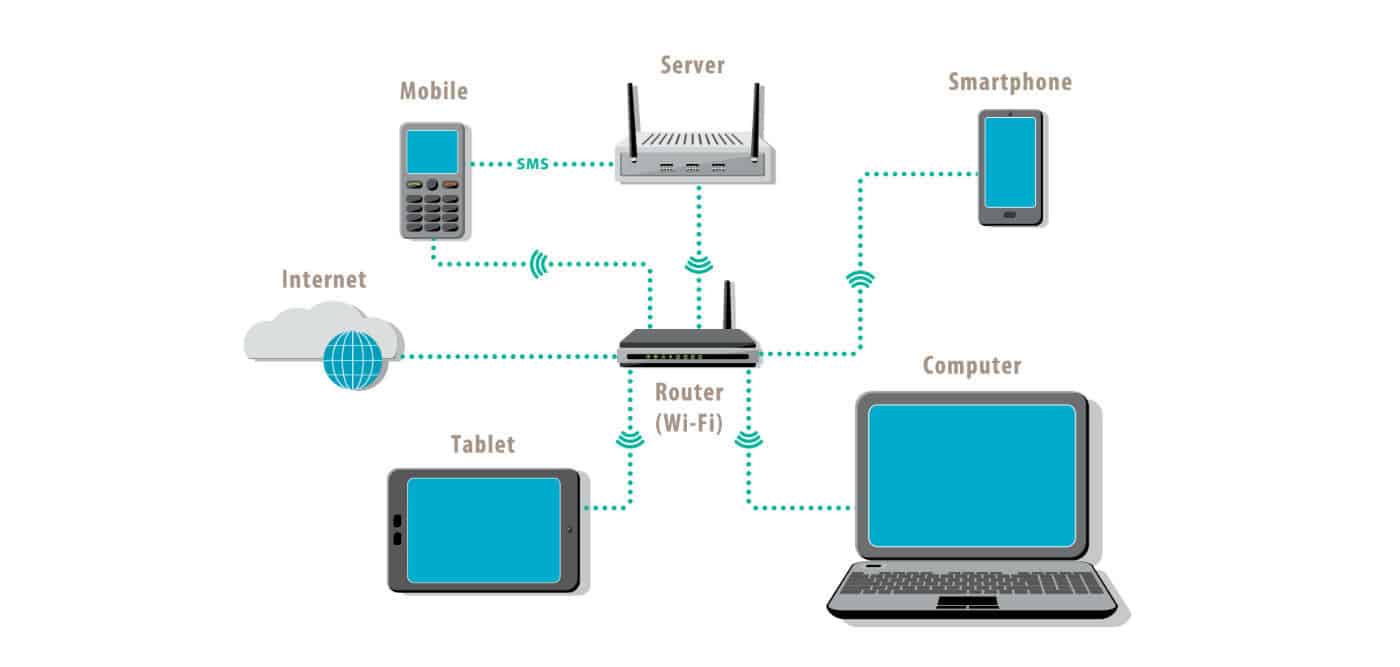
Local Area Network (LAN)
LAN stands for Local Area Network, is a group of computers located in the same room, on the same floor, or in the same building that are connected to form a single network.
-
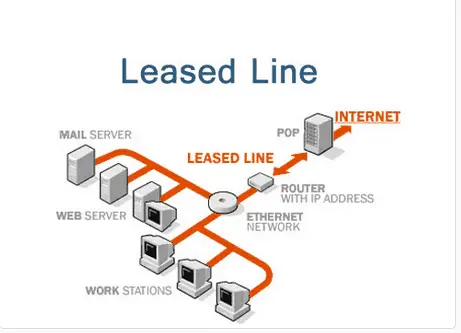
Leased Line
Leased Libe, also called a dedicated line, is a telecommunications service provided to businesses by telcos and long distance carriers that provides a permanent direct connection between two geographically separate local area networks (LANs).