
Category: Operating Systems
-
Hardware Compatibility List (HCL)
This article aims to explore the broader scope of hardware compatibility, examining how different operating systems, from Windows to Linux and macOS, manage hardware compatibility.
-
Distributed Component Object Model (DCOM): Architecture, Operation
This article aims to delve deeply into the intricacies of DCOM, illustrating how it facilitates distributed computing and its impact on software development.
-

Built-in user account in Windows OS
Unlock the essentials of built-in user accounts in Windows OS, integral to system setup, management, and security, created during installation.
-
Answer File
In this guide, I’m going to walk you through everything about answer files. We’ll explore how they simplify installations, how to dodge those pesky manual errors, and how they can be your time-saving heroes.
-

System Access Control List (SACL)
Uncover the essentials of System Access Control Lists (SACLs) in Windows OS: their evolution, purpose, and impact on security auditing.
-
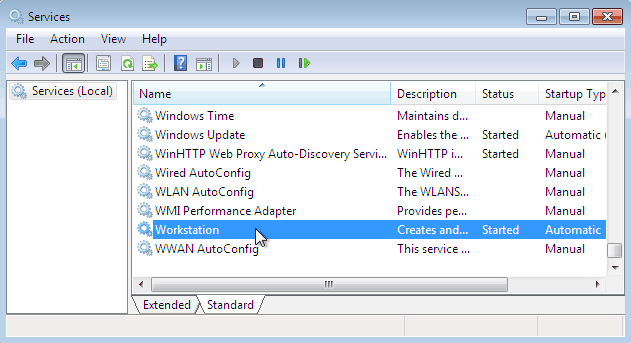
Workstation Service
Workstation Service, also known as LanmanWorkstation, is a component of the Microsoft Windows NT and Windows 2000 operating systems that allows a client to request file and print resources from servers over the network.
-
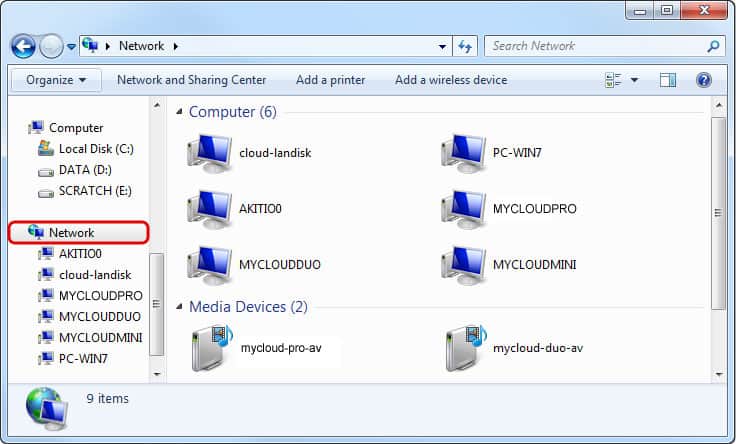
Network Neighborhood: Evolution and Relevance
Discover the legacy of Network Neighborhood in Windows OS, its evolution, and its lasting impact on today’s network understanding.
-
Guest Account: Do You Really Need It?
Uncover the essentials of Guest Accounts in computing – their purpose, setup, best practices, and security implications.
-
Background Programs: The Silent Operators of Your Computer
Uncover the intricacies of background programs in computing: how they operate silently while you work and their crucial role in system efficiency. Dive deep into this essential aspect of computer science.
-
Add New Hardware
Add New Hardware was a Control Panel utility in Microsoft Windows 95 and Windows 98 that was used to install new peripheral hardware on a machine.
-
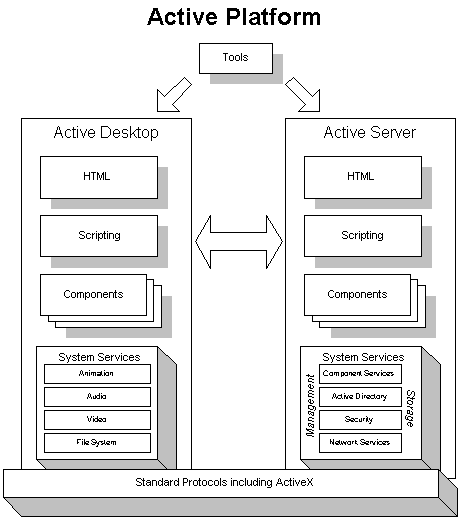
Microsft’s Active Platform
Active Platform was a set of Microsoft technologies for developing applications for the Internet.
-
Mastering ACPI: Elevating Power Management in Modern Computing
ACPI, or Advanced Configuration and Power Interface, is an open industry specification that enables software designers to integrate features for power management throughout a computer system, including the hardware, operating system, and application software.