
The Editorial Team is a collective of technology enthusiasts, computer network engineers, and industry professionals dedicated to creating meticulously curated content for a diverse readership. With a combined experience spanning several decades, our team distills complex technology topics into clear, informative articles. Whether it’s networking fundamentals, cutting-edge AI insights, or in-depth guides on blockchain technology, the Editorial Team strives to provide reliable information that advances the understanding of technology for everyone from students to seasoned professionals.

Editorial Team’s mission
The Editorial Team’s mission extends beyond mere reporting; we aim to be the architects of understanding, constructing bridges over the rivers of jargon and complexity. From the foundational bricks of networking to the ever-evolving skies of cloud computing, we guide you through the technological labyrinth.
We take pride in our meticulous attention to detail and our unwavering commitment to accuracy, ensuring that each piece of information is a thread in the vast tapestry of technological knowledge. As we chart the course through the evolving landscape of technology, we invite our readers to join us on this exhilarating journey of discovery and growth. Together, we not only explore the current terrain of technology but also anticipate the horizons of tomorrow’s innovations.
Our Latest Articles
-
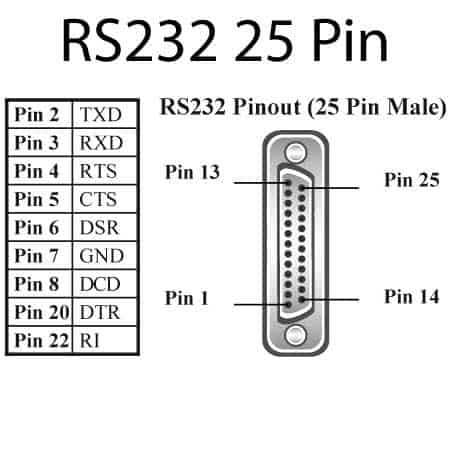
RS-232: Serial Interface
More properly known as RS-232C, is a widely implemented serial transmission interface developed by the Electronic Industries Alliance (EIA) that is used for connecting data terminal equipment (DTE) such as computers or terminals to data communications equipment (DCE) such as modems, packet assembler/disassemblers (PADs), or serial printers.
-
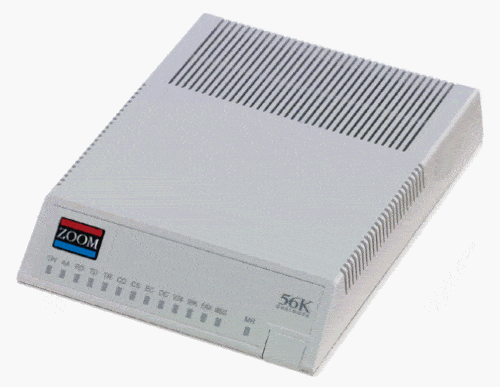
Modem
A modem is generally, any type of data communications equipment (DCE) that enables digital data transmission over the analog Public Switched Telephone Network (PSTN). The term “modem” (which actually stands for “modulator/demodulator”) is usually reserved for analog modems, which interface, through a serial transmission connection such as the RS-232 interface, with data terminal equipment (DTE)…
-
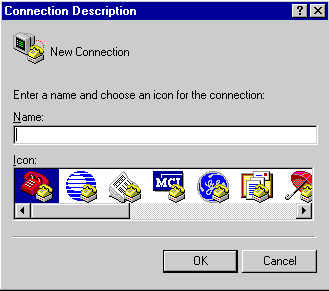
HyperTerminal
HyperTerminal is a communication utility included in Microsoft Windows 95, Windows 98, Windows NT, and Windows 2000 that provides terminal access to remote computers using a modem.
-

Understanding HTTP Keep-Alives
HTTP Keep-Alives is an enhanced version of HTTP persistent connections supported by Microsoft Internet Information Server (IIS). HTTP Keep-Alives allow a client Web browser to keep connections open with the Web server instead of closing them after the request has been answered and reopening them for each new Hypertext Transfer Protocol (HTTP) request, which consumes…
-
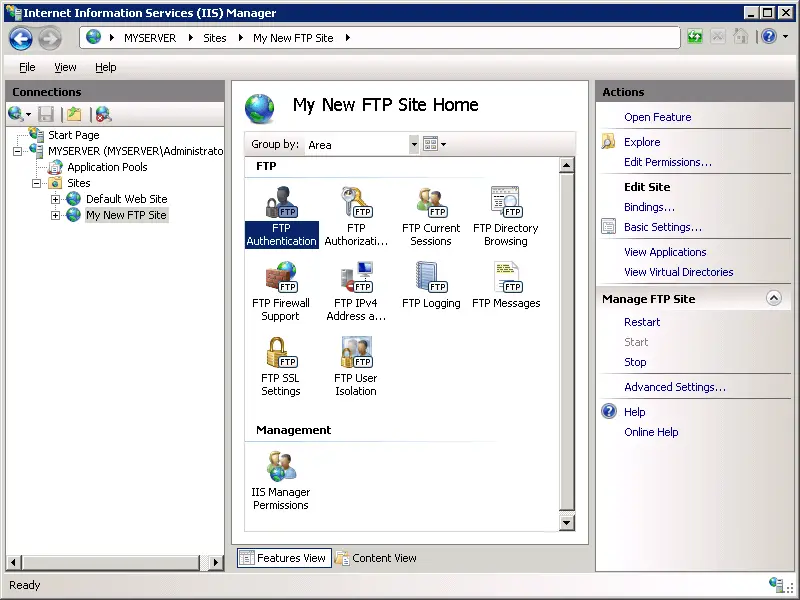
FTP service
FTP service is a Microsoft Windows service on servers running Microsoft Internet Information Services (IIS). The FTP service supports the Internet standard File Transfer Protocol (FTP) and allows users to upload and download files between FTP clients and FTP servers such as IIS.
-
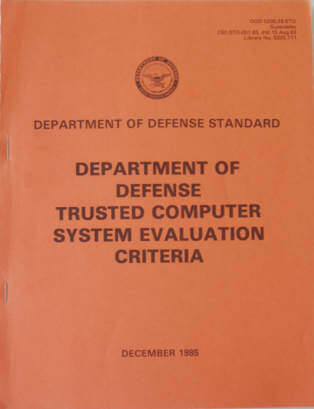
Orange Book
Orange Book is another name for the publication Trusted Computer Systems Evaluation Criteria (TCSEC), published by the National Computer Security Center (NCSC) of the U.S. Department of Defense.
-
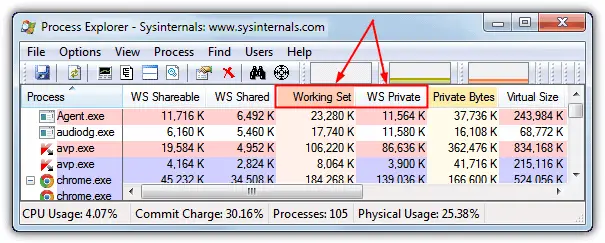
Working Set
Explore the essentials of working sets, their impact on system performance, and tips for effective management.
-

HTTPS
HTTPS is a protocol developed by Netscape for secure transmission of Web content over the Internet. HTTPS is another name for Netscape’s implementation of the Secure Sockets Layer (SSL) protocol that functions as a subprotocol to the application layer (layer 7) protocol, Hypertext Transfer Protocol (HTTP).
-
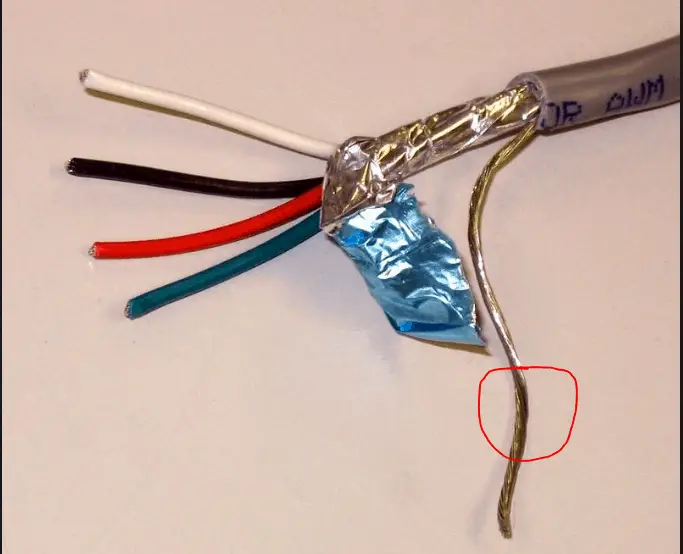
Drain Wire
Drain Wire is an uninsulated wire included in shielded cabling that runs the length of some coaxial cabling or shielded twisted-pair (STP) cabling. The drain wire makes contact with the foil sleeve or mesh along the wire.
-

Duplex Communication
Duplex is a telecommunications term referring to bidirectional communication. In full-duplex communication, both stations send and receive at the same time, and usually, two communication channels are required. However, you can also achieve full-duplex communication using a multiplexing technique whereby signals traveling in different directions are placed into different time slots.
-
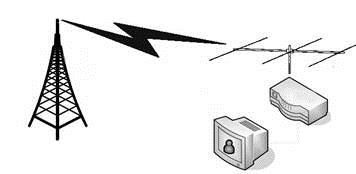
Simplex Communication
Unravel the intricacies of simplex communication in our comprehensive guide. Understand how it differs from duplex and half-duplex, and explore real-world applications.
-
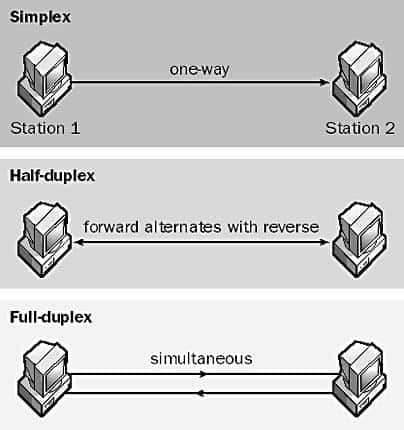
Full-Duplex: A Guide to Uninterrupted Communication
Explore the ins and outs of full-duplex networking, where seamless two-way communication redefines efficiency. Learn how it differs from simplex and half-duplex modes.