
Category: Historical Perspectives
-
Collaboration Data Objects (CDO)
Unlock the enigma of Microsoft’s Collaboration Data Objects (CDO) in this comprehensive guide. Explore its evolution, modern alternatives, and where it’s still relevant today. A must-read for IT professionals and enthusiasts.
-

NWLink IPX/SPX-Compatible Transport
Dive into the world of NWLink IPX/SPX-Compatible Transport, exploring its significance in networking, features, and legacy impact.
-

Proxy Cache Server
Explore the world of Proxy Cache Servers: Unraveling their roles, benefits, comparison with CDNs, and the evolution of Microsoft’s Proxy Server.
-
Microsoft Proxy Server
Definition of Microsoft Proxy Server in the Network Encyclopedia. What was Microsoft Proxy Server? Microsoft Proxy Server was a firewall and content-caching server that provided a secure gateway to the Internet with high response time. Microsoft Proxy Server, was part of the Microsoft BackOffice family of products, was the first firewall product to include high-performance…
-

CryptoAPI
CryptoAPI is a core component of the latest versions of Microsoft Windows that provides application programming interfaces (APIs) for cryptographic security services that provide secure channels and code signing for communication between applications.
-
Connection Point Services (CPS)
Explore the functionalities and historical significance of Connection Point Services (CPS) in Microsoft RAS, and discover other meanings of the acronym CPS in networking.
-
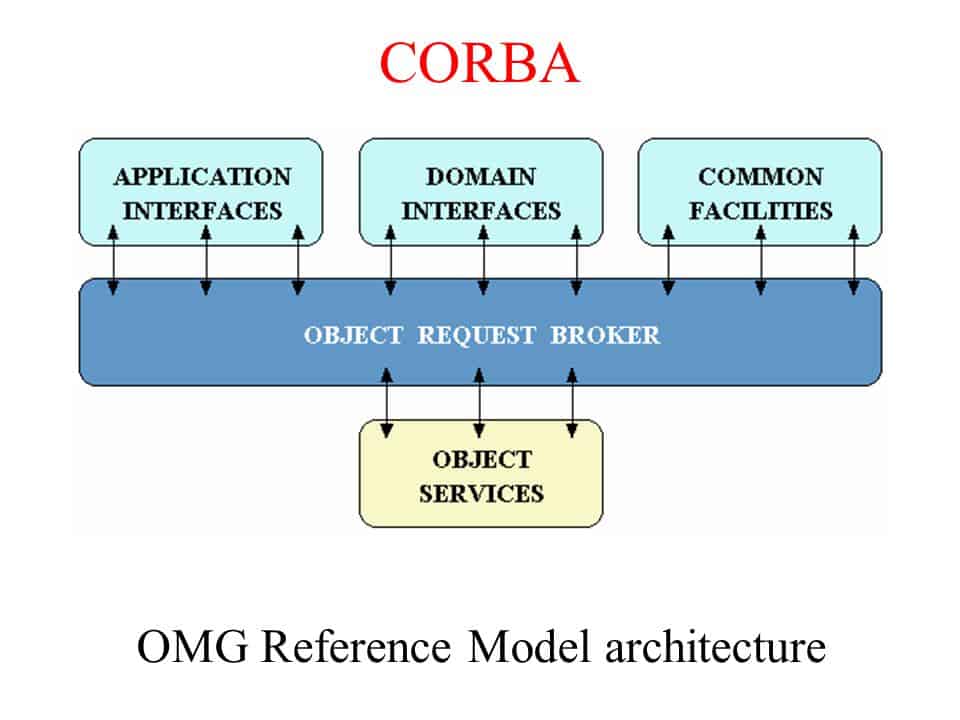
Common Object Request Broker Architecture (CORBA)
Common Object Request Broker Architecture, also known as CORBA, is a component architecture developed by the Object Management Group and its member companies that specify technologies for creating, distributing, and managing component programming objects over a network.
-

NetWare Protocols
NetWare protocols are the group of protocols developed for and specific to the Novell NetWare network operating system (NOS); popularized in NetWare versions 2 and 3. Some of the networking architecture of NetWare protocols evolved from the Xerox Network Systems (XNS) created in the late 1970s.
-
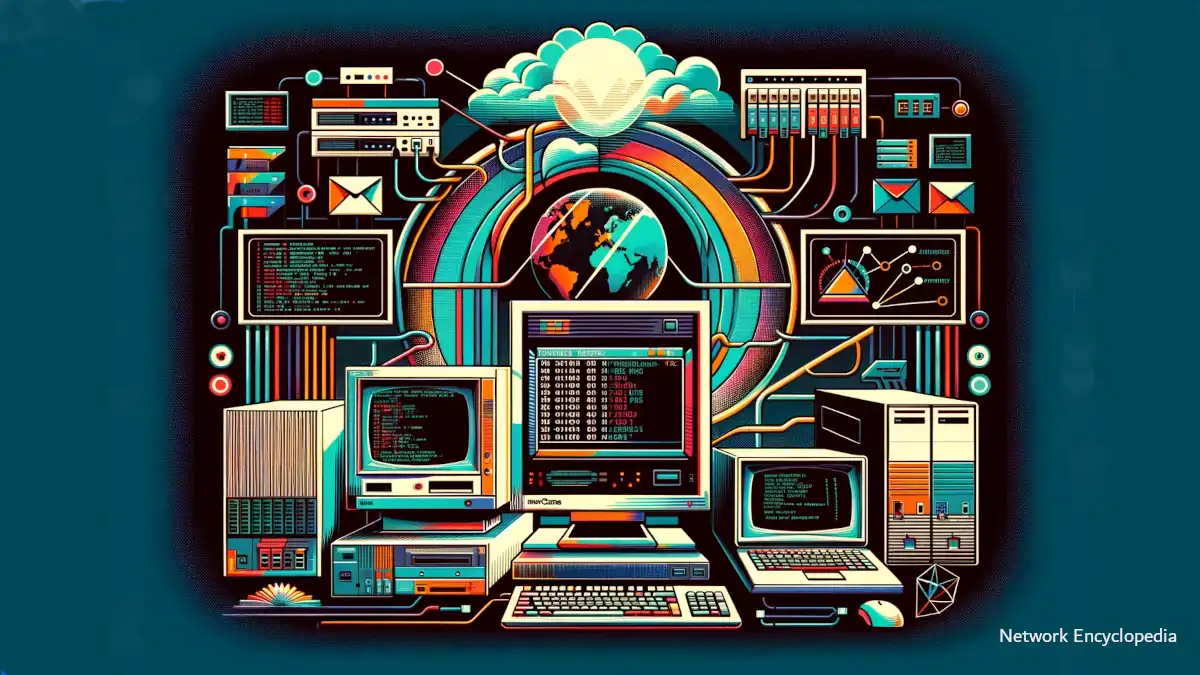
Novell NetWare: The Pioneering Network Operating System of the 1980s
NetWare was a network operating system from Novell that wass widely used in local area networks (LANs). NetWare was created by Novell in the early 1980s.
-
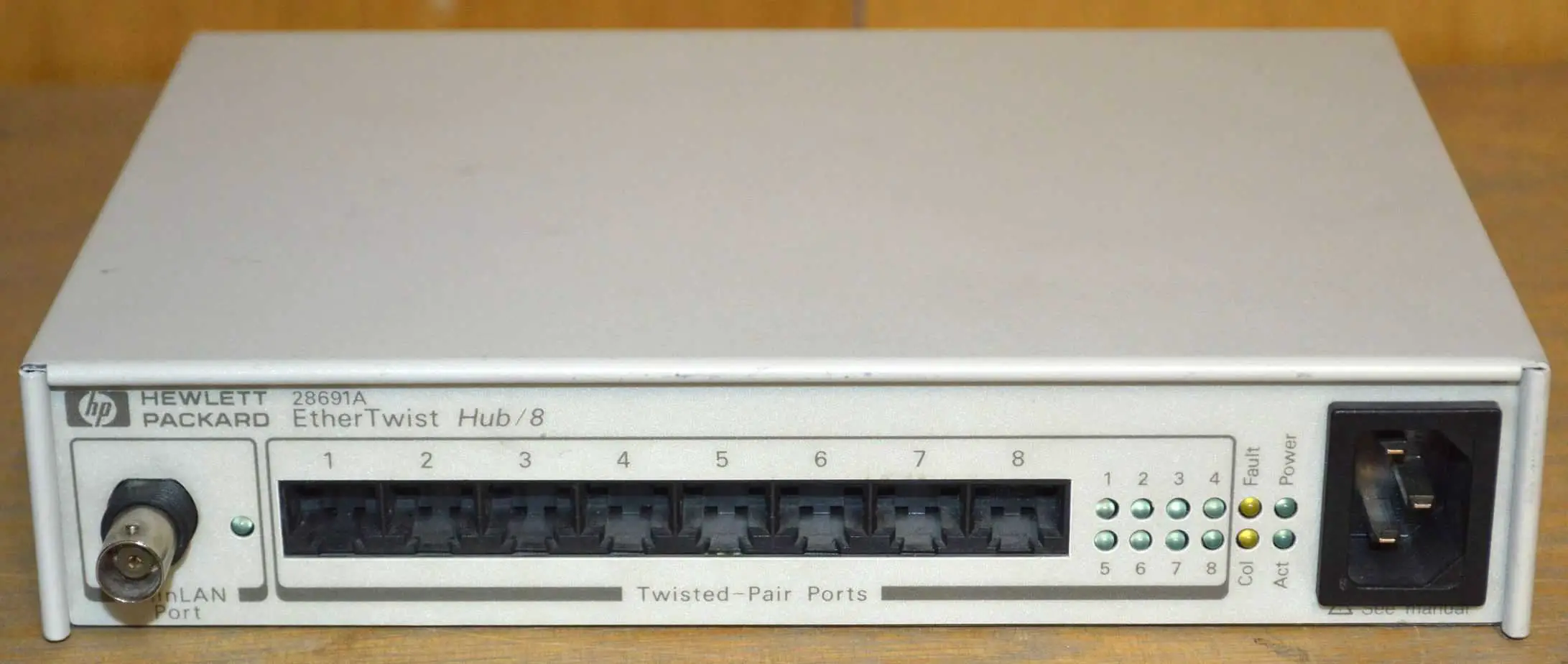
Hub
Hub also called a repeater hub, is the basic networking component used in traditional 10-Mbps Ethernet networks to connect network stations to form a local area network (LAN).
-

Common Internet File System (CIFS): Network File Sharing Made Easy
Unlock the capabilities of CIFS, the protocol at the heart of network file sharing and collaboration. Dive into its functionalities, uses, and impact.
-
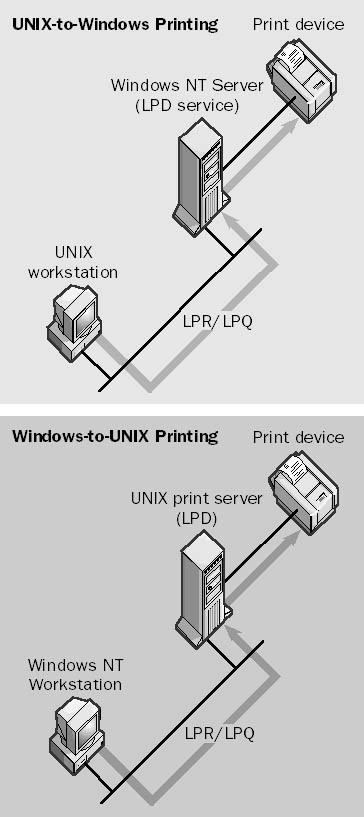
Mastering the Line Printer Queue (LPQ) Command in UNIX and Windows
Dive deep into the LPQ command, a crucial tool for managing print queues in UNIX and Windows. Learn its functionalities, usage, and interoperability.