
The Editorial Team is a collective of technology enthusiasts, computer network engineers, and industry professionals dedicated to creating meticulously curated content for a diverse readership. With a combined experience spanning several decades, our team distills complex technology topics into clear, informative articles. Whether it’s networking fundamentals, cutting-edge AI insights, or in-depth guides on blockchain technology, the Editorial Team strives to provide reliable information that advances the understanding of technology for everyone from students to seasoned professionals.

Editorial Team’s mission
The Editorial Team’s mission extends beyond mere reporting; we aim to be the architects of understanding, constructing bridges over the rivers of jargon and complexity. From the foundational bricks of networking to the ever-evolving skies of cloud computing, we guide you through the technological labyrinth.
We take pride in our meticulous attention to detail and our unwavering commitment to accuracy, ensuring that each piece of information is a thread in the vast tapestry of technological knowledge. As we chart the course through the evolving landscape of technology, we invite our readers to join us on this exhilarating journey of discovery and growth. Together, we not only explore the current terrain of technology but also anticipate the horizons of tomorrow’s innovations.
Our Latest Articles
-
Next Generation I/O (NGIO)
Explore the journey of Next Generation I/O (NGIO) – a pivotal tech leap in server and network infrastructures. Dive into its legacy!
-
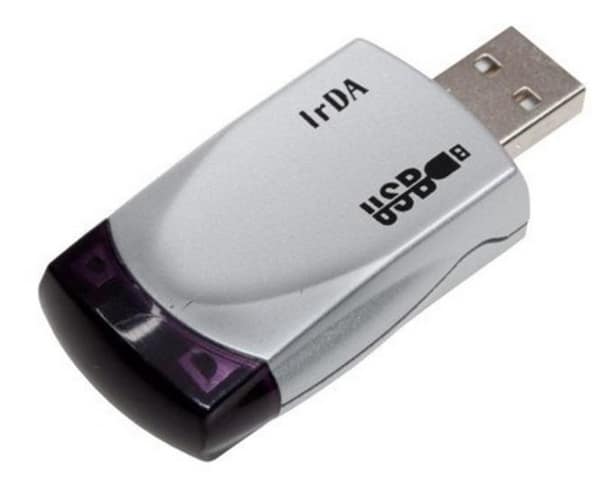
Infrared Data Association (IrDA)
IrDA, stands for Infrared Data Association, is an international consortium of hardware and software manufacturers that creates and promotes interoperable solutions for infrared (IR) data networking for computer networks, communication, and other networking applications. The Infrared Data Association (IrDA), which was formed in 1993, has over 150 members from hardware, software, and communication sectors. It…
-
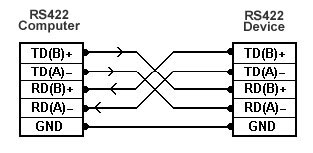
RS-422: Understanding the Basics
RS-422, a serial communication standard, stands as a cornerstone in the realm of data transmission. Developed to overcome the limitations of earlier standards like RS-232, RS-422 is renowned for its ability to maintain signal integrity over longer distances and in electrically noisy environments. This robustness makes it a go-to choice for industrial applications, where reliable…
-

Recreational Software Advisory Council (RSAC)
RSAC stands for Recreational Software Advisory Council, a nonprofit organization with a content advisory system for Web sites on the Internet. The system, known as RSACi (Recreational Software Advisory Council on the Internet), allows Web site administrators to rate their sites according to degrees of potentially objectionable content. There are four types of content, each…
-
Unpacking Remote Desktop Protocol (RDP)
Delve into the exciting world of Remote Desktop Protocol (RDP), demystifying its functions, applications, and importance in today’s digitally driven era.
-

Unbalanced Lines: Understanding Their Role in Electrical Systems
Explore the fundamentals of unbalanced lines, their applications, and how they differ from balanced lines in electrical systems.
-

Balun
Unlock the complexities of Balun in networking. Learn its importance, types, and applications to improve network performance and reliability.
-

Balanced Line
Explore the world of Balanced Lines, their importance in network cabling, and how they enhance signal integrity in data transmission.
-
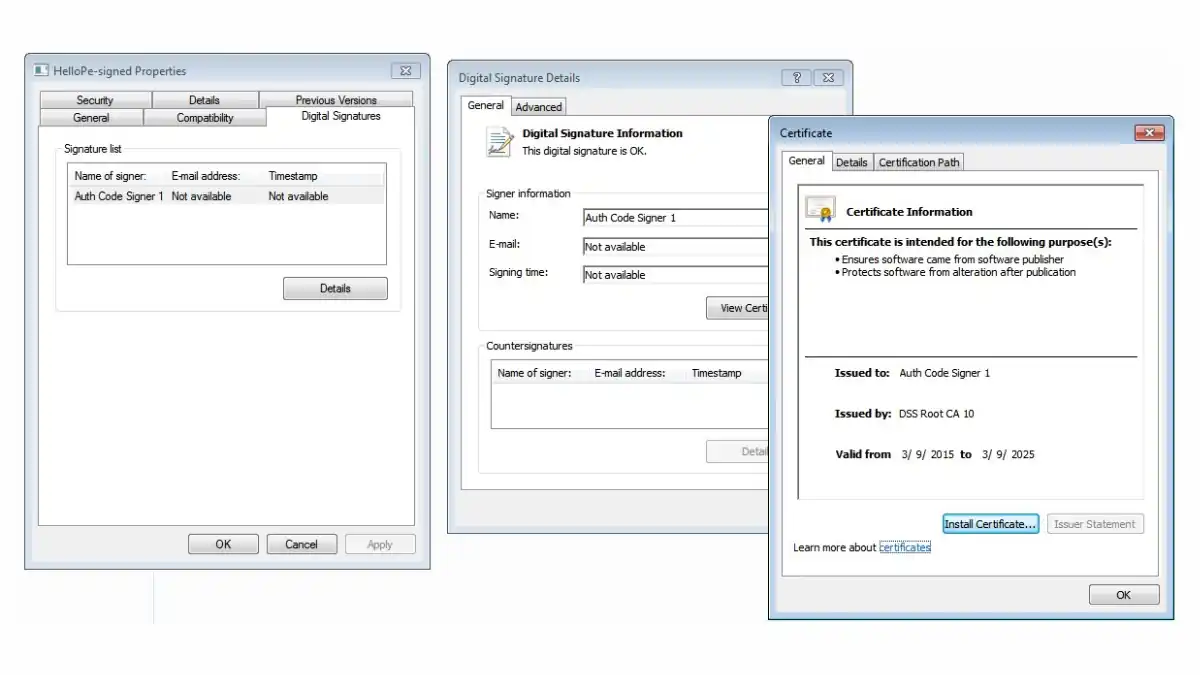
Authenticode
Unlock the secrets of Microsoft’s Authenticode: Verify publishers and safeguard software integrity. Your go-to guide for robust cybersecurity.
-
Cabinet Files
What are Cabinet Files? Cabinet Files are files with the extension .cab that store compressed files, usually for distributing software. Cabinet files can contain multiple files in a compressed state, or a single compressed file can be spread over several cabinet files. During installation of software, the setup program decompresses the cabinet files and copies…
-
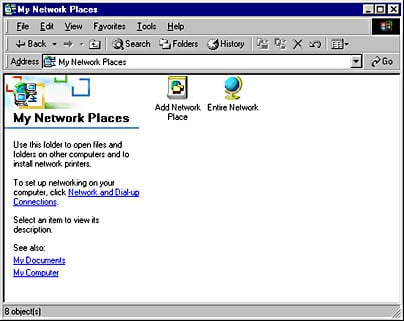
My Network Places
“My Network Places” was a feature in Microsoft Windows operating systems, particularly prominent in Windows XP and earlier versions. It provided a convenient location for users to access network resources, such as computers, printers, and shared folders on a local network.
-
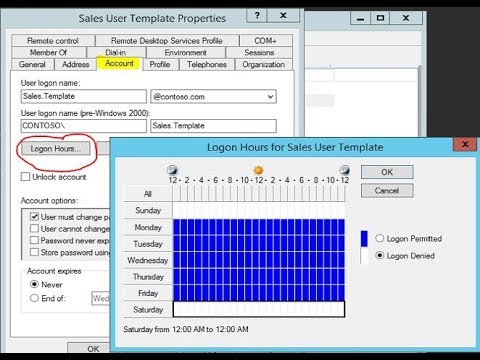
Logon Hours Restriction in Windows Server: Enhancing Security
Discover the power of logon hour restrictions in Windows Server with Active Directory. Dive into its significance, benefits, and step-by-step setup to enhance system security and operational efficiency.