
The Editorial Team is a collective of technology enthusiasts, computer network engineers, and industry professionals dedicated to creating meticulously curated content for a diverse readership. With a combined experience spanning several decades, our team distills complex technology topics into clear, informative articles. Whether it’s networking fundamentals, cutting-edge AI insights, or in-depth guides on blockchain technology, the Editorial Team strives to provide reliable information that advances the understanding of technology for everyone from students to seasoned professionals.

Editorial Team’s mission
The Editorial Team’s mission extends beyond mere reporting; we aim to be the architects of understanding, constructing bridges over the rivers of jargon and complexity. From the foundational bricks of networking to the ever-evolving skies of cloud computing, we guide you through the technological labyrinth.
We take pride in our meticulous attention to detail and our unwavering commitment to accuracy, ensuring that each piece of information is a thread in the vast tapestry of technological knowledge. As we chart the course through the evolving landscape of technology, we invite our readers to join us on this exhilarating journey of discovery and growth. Together, we not only explore the current terrain of technology but also anticipate the horizons of tomorrow’s innovations.
Our Latest Articles
-
TCPdump Guide
In this article, we cover almost every aspect of the TCP packet capture and analysis tool called TCPdump. This is our TCPdump Guide.
-

What is the Role of Dynamic Address Assignment?
Over the last decades, we have witnessed tremendous growth in the size of networks. This growth has occurred in the geographic spread of the network, as well as an exponential rise in the number of nodes per network.
-

Importance of Cyber Security in the Digital Era
Cyber Security in the Digital Era: It is crucial to understand what we are exposed to online and how to protect ourselves from potential attacks.
-

10 Skills You Need To Be A Developer
Do you know what skills you need to be a developer? Find out in this article which are the 10 most important of all.
-
Network Infrastructure Design – Planning a Campus Network
In this article, we deeply address the topic of Network Infrastructure Design using the example of a Campus Network.
-
Entering the Brave (Browser) New World!
Brave browser arrived to change the way we surf the internet. In this article, we will explain what Brave browser is and how you can benefit from it.
-

Disruptive Innovation
The terms disruptive technologies, disruptive innovation and Sustaining Innovation were fist introduced by Clayton M. Christensen in 1995. Learn what these terms mean!
-

History of IPv6 and Its Key Features
Learn the history of IPv6. In 1992 that IETF (Internet Engineering Task Force) became aware of a global shortage of IPv4 addresses.
-

What is A Modern Data Stack and Why You Should Consider It
What is A Modern Data Stack? Making storing, managing, and accessing data simpler, easier, and more efficient.
-

10 computer networking concepts you should master
In this post, I am going to talk about the 10 computer networking concepts that every professional should master. I will also include links to the main articles of each concept.
-
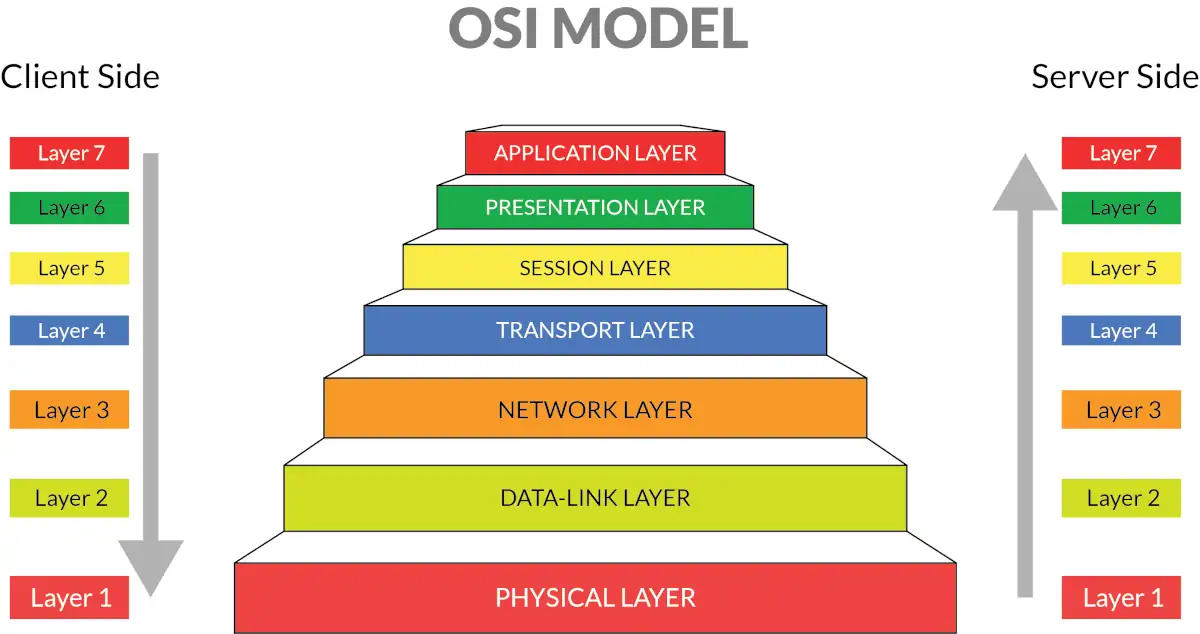
7 Layers OSI Model
7 layers OSI model is a short name for the Open Systems Interconnection (OSI) reference model for networking. This theoretical model explains how networks behave within an orderly, seven-layered model for networked communication.
-

Types of optic fiber, the lost factors, and fiber filter technology
This article starts with the types of optical fiber, but also address the loss factors and the fiber filter technology.